
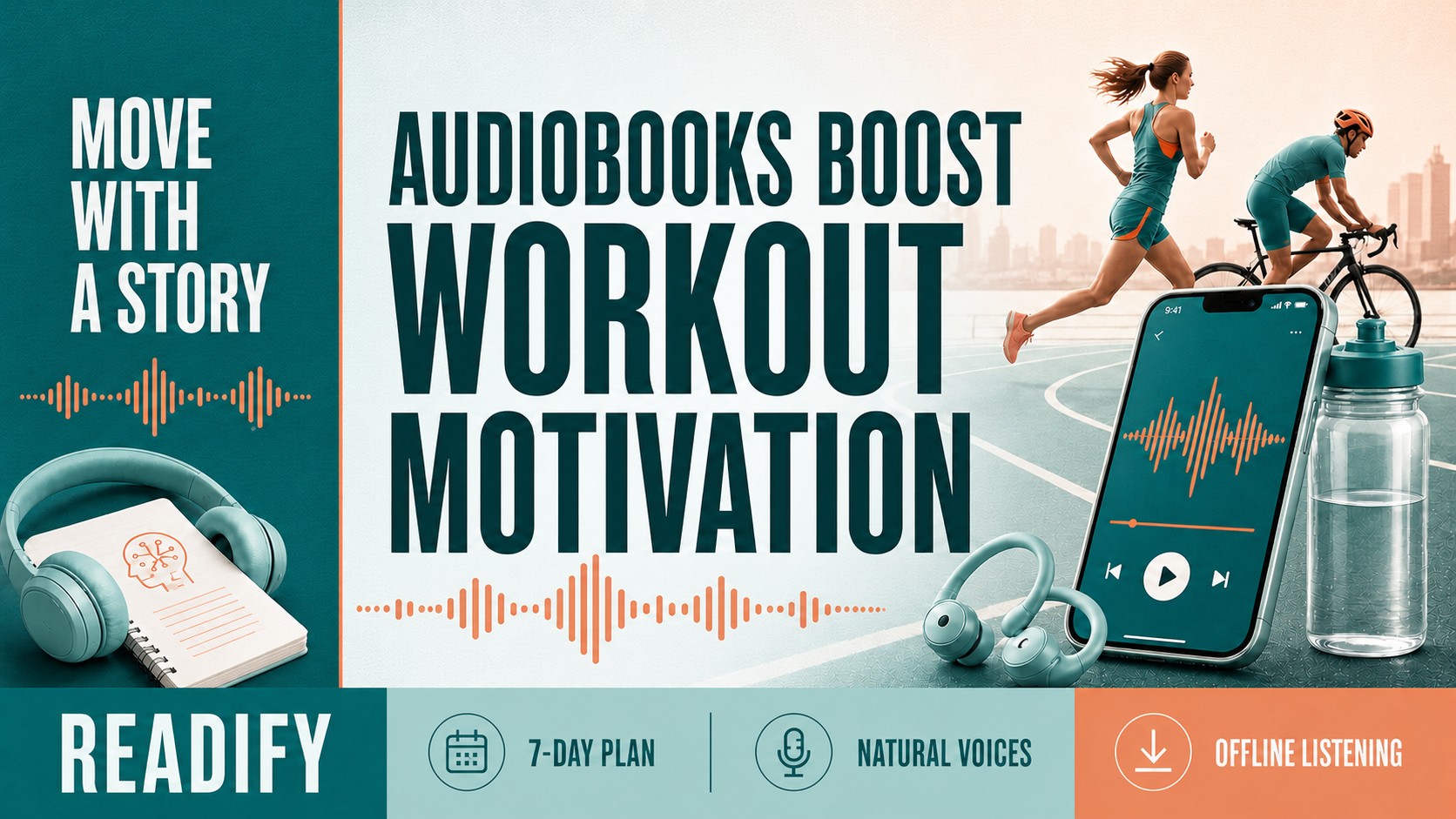
A 7-Day Listening Plan for Better Exercise Habits
Staying consistent with exercise is hard when a workout feels like another demand on your time. Audiobooks can give walking, cycling, and gym sessions a second purpose: you are not only moving; you are returning to a story or idea that matters to you.
This guide explains how to build a safer, more enjoyable listening routine with Readify, choose material that fits your workout, and use a seven-day plan to test what actually motivates you.
THE IDEA Motivation is rarely a personality trait. More often, it is a design problem: what happens in the ten minutes before you exercise, and what makes you return tomorrow? Audiobooks Boost Workout Motivation because a compelling story gives a workout a second destination. You are no longer only aiming to finish a run, ride, or lift. You are also moving toward the next scene, insight, or answer.
Readify turns that idea into a routine. As an AI Reader, it can help you prepare eligible documents and books for listening before a session begins. That preparation matters. When the next chapter is ready, starting a workout asks for less negotiation.
The three-part motivation loop
Make the book the trigger
Choose a title that is reserved for walks, steady cardio, or commuting to the gym. The unfinished chapter becomes a gentle reason to put on shoes. This is not a trick for forcing yourself through a miserable session; it is a way to attach a pleasant cue to a habit you want to repeat.
Match attention to effort
Easy movement gives your mind more room. A moderate walk, a comfortable ride, or a recovery session can pair well with new nonfiction. Hard intervals and complex lifts need simpler audio, a familiar story, or silence. Good workout audiobooks support movement instead of competing with it.
Stop at a useful edge
End with a short moment of curiosity rather than listening until you are mentally exhausted. A natural chapter break can make tomorrow's workout feel like a return, not a restart. Over time, this loop makes consistency more likely because the routine carries its own small reward.
Choose your listening lane
Not every session deserves the same material. Use this quick selector before you hit play:
Low focus movement
For warm-ups, walks, and mobility, try a new essay, a personal development chapter, or a class reading. These are strong moments for audiobooks while working out because you can pause and revisit an idea without losing the rhythm of the session.
Moderate steady cardio
For easy running and cycling, choose narrative nonfiction, fiction, or a language lesson. Runners and cyclists often benefit from continuity: the story makes a familiar route feel less repetitive.
High-attention training
For heavy compound lifts, technical drills, road crossings, or fast intervals, make safety the priority. Use a familiar chapter, lower the volume, or pause. Audio is an optional companion, never a reason to ignore form or surroundings.
THE 20-MINUTE TEST
After a session, rate three questions from 1–5:
- Did the audio make it easier to begin?
- Could I still train safely and with good form?
- Do I want to hear the next section tomorrow?
A score below 10 does not mean listening failed. It means the book, intensity, or playback setting needs a better match.
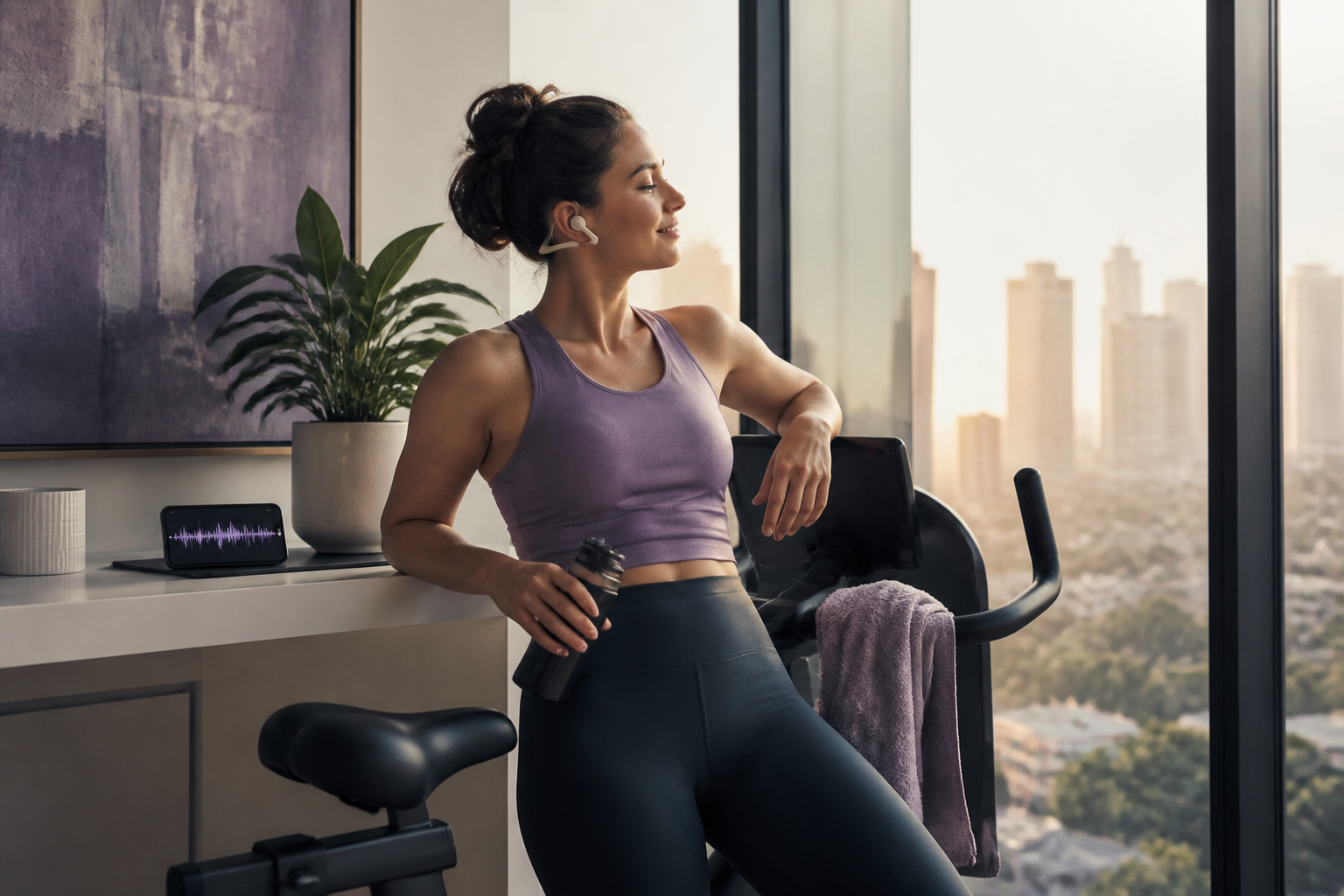
Turn your existing reading into a workout queue
Motivation is fragile when the setup takes too long. Readify can reduce that friction by making your authorized reading materials easier to hear. If you own the file, have permission, hold an appropriate license, or the work is public domain, you can prepare an EPUB to audiobook, PDF to audiobook, or DOCX to audiobook workflow before you leave home.
This is especially useful for students reviewing class material and busy professionals working through a report, draft, or reading packet. The AI audiobook generator does not replace careful reading when precision matters; instead, it can create a first pass, a recap, or a listening-friendly review window. When you need to listen to PDF files rather than stare at a screen, a short walk can become a more practical time to revisit the material.
Voice choice matters, too. Natural sounding TTS and clear AI audiobook narration can make a session easier to stay with, especially when a document contains unfamiliar names or dense sentences. Start at a comfortable pace. Increase speed only when you can still understand and enjoy the material; faster playback is not a measure of better learning.
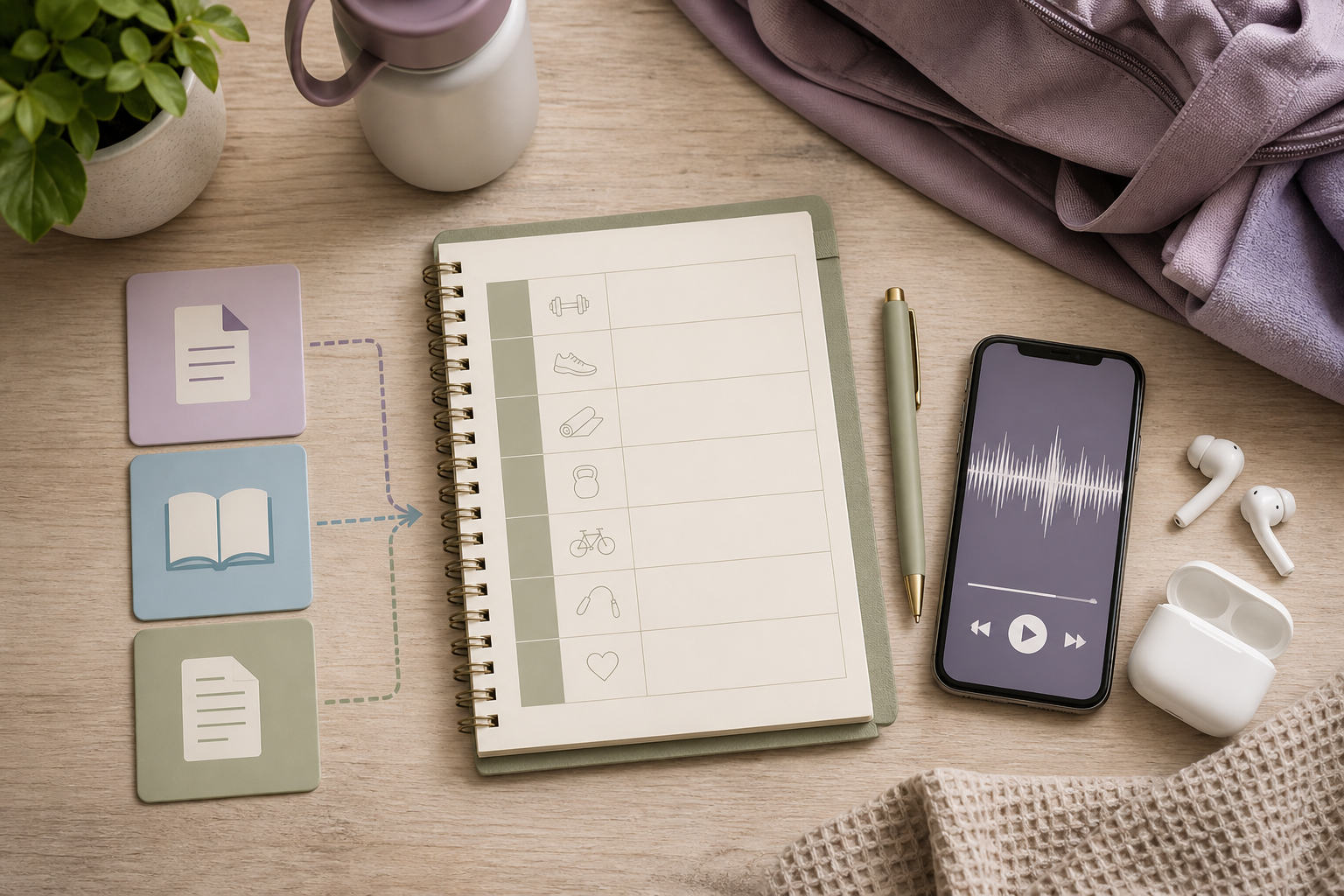
The seven-day chapter experiment
Try this for one week before you decide whether audiobooks belong in your training. The point is not to maximize every minute. The point is to discover a repeatable pairing.
Day 1 — Select Pick one enjoyable chapter and one low-pressure session. Avoid a book chosen only because it seems productive.
Day 2 — Prepare Queue the material in advance, charge your device, and test a volume that lets you hear your surroundings.
Day 3 — Pair Use the same book with a steady walk or easy cardio. Notice when your attention drifts.
Day 4 — Adjust If you rewound repeatedly, choose lighter material or lower intensity. If you were bored, try a more narrative title.
Day 5 — Protect focus During technical training, use the audio only between sets or save it for the cool-down.
Day 6 — Go offline Prepare offline listening before a park, gym basement, or route with weak service. A ready queue is more motivating than a spinning loading icon.
Day 7 — Reflect Write down one idea from the audio and one thing that made movement easier. Keep only the pairings you want to repeat.
When motivation advice meets real training
When motivation advice meets real training
Do workout motivation quotes actually help?
Workout motivation quotes can create a quick emotional lift, but they often disappear when a routine is tired, busy, or inconvenient. Audiobooks work differently: they offer continuing attention, not a single burst of inspiration. Use a quote as a cue if you like, but use a book, a prepared queue, and a realistic session length to create a system.
Can a calisthenics workout plan work with audiobooks?
Yes, with restraint. A calisthenics workout plan often includes rests, simple repeated movements, and structured progressions; those pauses can be good places for a chapter. During any movement that challenges balance, joint control, or technique, pause or choose familiar content. If you train outdoors, keep the volume low and remain alert to people, surfaces, and traffic.
What's a good audiobook for a workout?
The better question is what's a good audiobook for this specific workout? For a calm walk, try a new idea or a thoughtful memoir. For a l
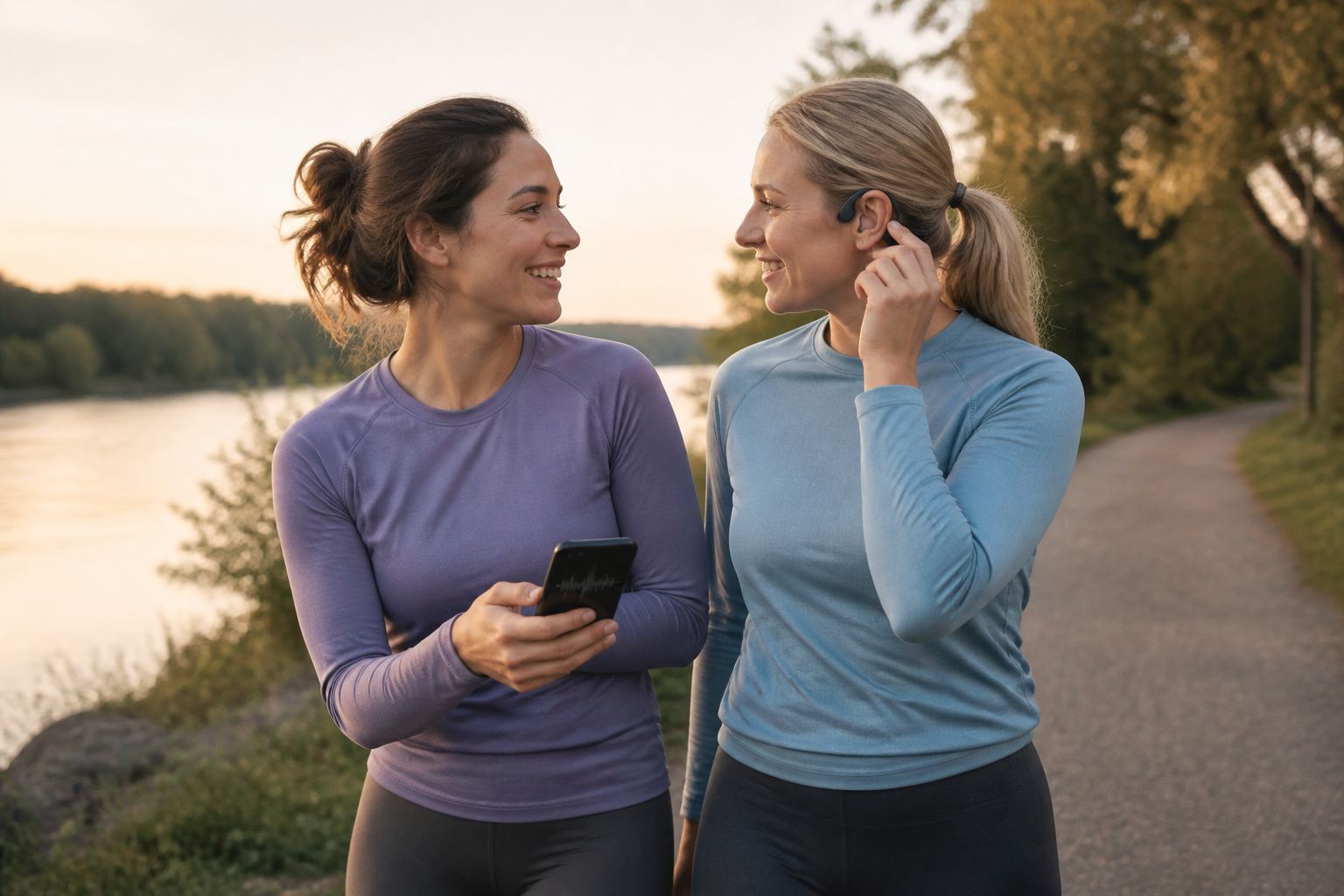
ong easy ride, choose a narrative that benefits from continuity. For hard intervals, select a familiar book or a lighter story. The right material matches your available attention, not an imaginary ideal of self-improvement.
Your friction audit
Before blaming motivation, check the environment. Can you start the file with one tap? Are your headphones charged? Is the book appropriate for the workout? Can you hear nearby hazards? A simple setup supports hands-free listening without pretending that audio is always the right choice. Pause during conversations, busy crossings, and unfamiliar exercises.
Catalog-based services can be helpful when you want professionally recorded titles: Libro.fm offers audiobook listening through its apps, and Loyal Books provides public-domain audiobooks and ebooks. LibriVox is another source for volunteer-read public-domain recordings. Readify serves a different purpose: listening to eligible files you already have permission to use.
For more reader and productivity ideas, visit the Readify blog, or follow Readify on YouTube and Instagram.
Read the signals, not just the streak
A listening habit becomes useful when it helps you notice what your training already tells you. If you only press play to avoid every difficult feeling, the book can become another form of noise. If you use it to make an ordinary walk more inviting, to give a recovery ride a gentle rhythm, or to keep a familiar route from feeling stale, it can support the work without hiding it. The distinction is important. Exercise still asks for rest, technique, fuel, and patience. A compelling chapter cannot make poor recovery disappear.
Use a quick signal map after each session. Green means the material fit: you started without much resistance, trained safely, and remember why you want to return. Amber means the pairing was merely acceptable: perhaps the story was too dense, the volume too high, or the workout more demanding than expected. Red means stop and simplify: you missed traffic cues, lost track of form, or felt pressure to continue only because the chapter was unfinished. This turns listening into feedback rather than a distraction.
The chapter and movement agree
Keep the same pairing for another session. Familiar routines benefit from small positive associations, especially when you are rebuilding a habit after travel, illness, or a demanding week.
Change one variable
Try a different voice, a shorter chapter, a lower playback speed, or easier training. Do not change everything at once; you want to learn what actually reduced enjoyment.
Give attention back to training
Pause the audio for technical movement, intense fatigue, or any setting where awareness is essential. The most motivating routine is one you can safely repeat.
A small library for different kinds of days
Build three queues rather than one perfect queue. The first is a “begin anyway” queue: short, enjoyable pieces that make a ten-minute walk feel worth starting. The second is a “steady attention” queue for regular cardio, with stories that are easy to follow without constant rewinding. The third is a “review later” queue for material you want to understand more deeply. Listening can introduce or refresh an idea, but you can return to the original text afterward when you need detail, citations, or accurate notes.
This separation removes a common source of frustration. A difficult professional document may be important but not be the right audio for a fast run. A light mystery may be perfect for a tired evening, even if it does not count as learning. Give each type of material its own role. That choice keeps the workout from becoming an exam and protects reading from becoming another task that must be optimized.
For family responsibilities and irregular schedules, a short queue can also be more realistic than a long-form listening goal. One saved segment may be enough for a lunchtime walk. A five-minute recap can work during a cool-down. Over time, these small returns build familiarity with the book and with the movement habit. Progress does not have to look dramatic to be durable.
Make the post-workout minute count
When the session ends, give yourself sixty seconds before opening another app. Ask: What part of the movement felt easier? What did I hear that I might revisit? What should I change next time? A single sentence in a notes app or a quick voice memo is enough. The goal is not a detailed training log; it is a bridge between listening and memory.
If you were listening to a course document or work material, return to the source later and verify anything important. Listening is excellent for exposure, orientation, and review, but careful reading remains the right tool for decisions that require exact language. Used this way, Readify supports a layered routine: hear the broad idea while you move, then inspect the detail when you are ready to focus.
