Adam's Final Word
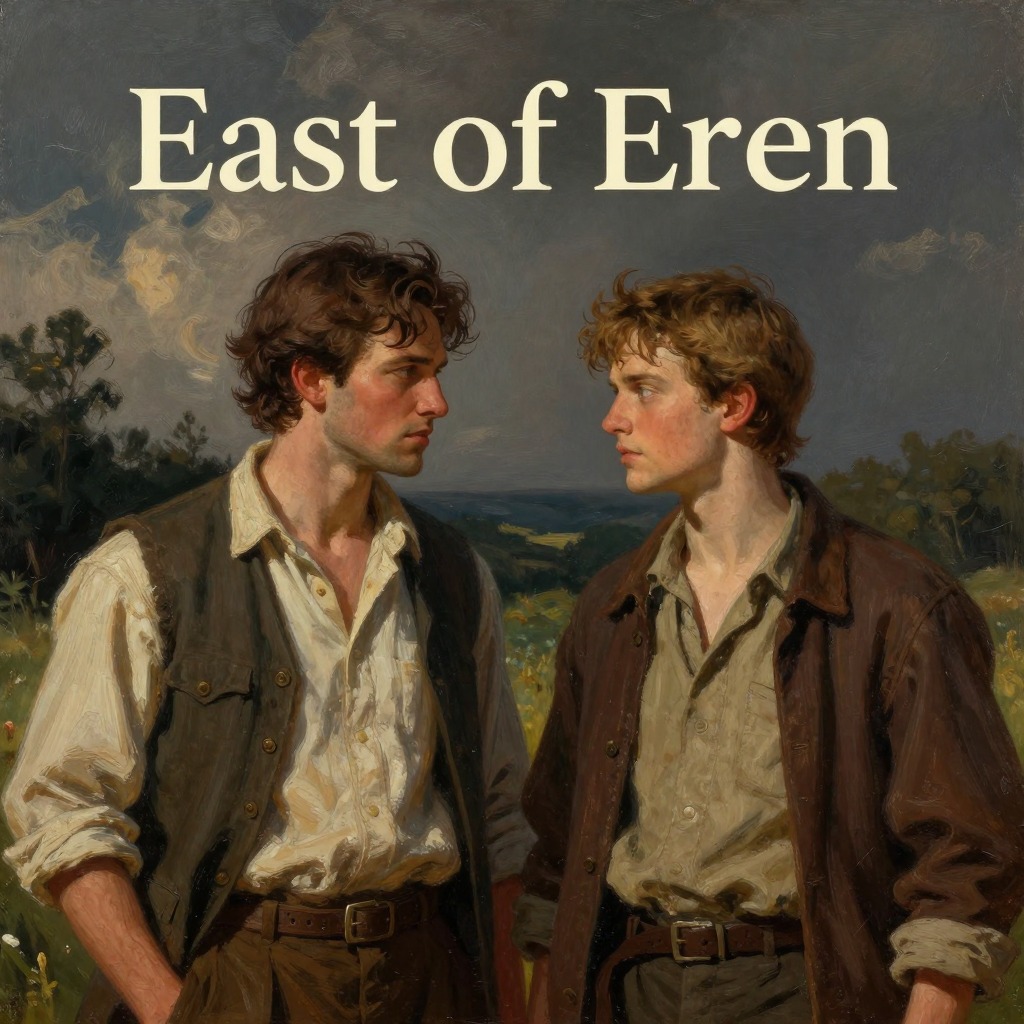
Adam Trask's final word, whispered as he lies paralyzed and dying, is "Timshel"—the Hebrew word meaning "thou mayest" that Lee had discovered through years of study with Chinese scholars. This single utterance, the last sound he makes before slipping into sleep, completes the novel's central theological argument about free will and human choice, transforming Adam from a passive victim of his wife's cruelty into an active agent who grants his son Caleb the blessing of moral freedom.
The Context of the Final Scene
Adam lies propped high on pillows, his left side paralyzed and his right side partly so, after a massive stroke brought on by the news of Aron's death in the Battle of Cantigny. His white hands lie palms down on either side of him, the sinews from knuckle to wrist tight drawn, and his face is waxen. His blue eyes, however, retain a terrible brightness. Lee, Cal, and Abra stand at the foot of the bed as Adam's eyes move slowly from one face to another, his lips moving just a little in greeting. The nurse has been dismissed after Lee sharply orders her out of the room. Lee speaks directly to Adam, acknowledging that he does not know what Adam can hear or understand—whether behind his eyes he is alert and keen or living in a confused gray dream, whether he perceives only light and movement like a newborn child. Adam's eyes waver, close slowly, then open in response, confirming that he can hear.
Lee's Plea for Caleb
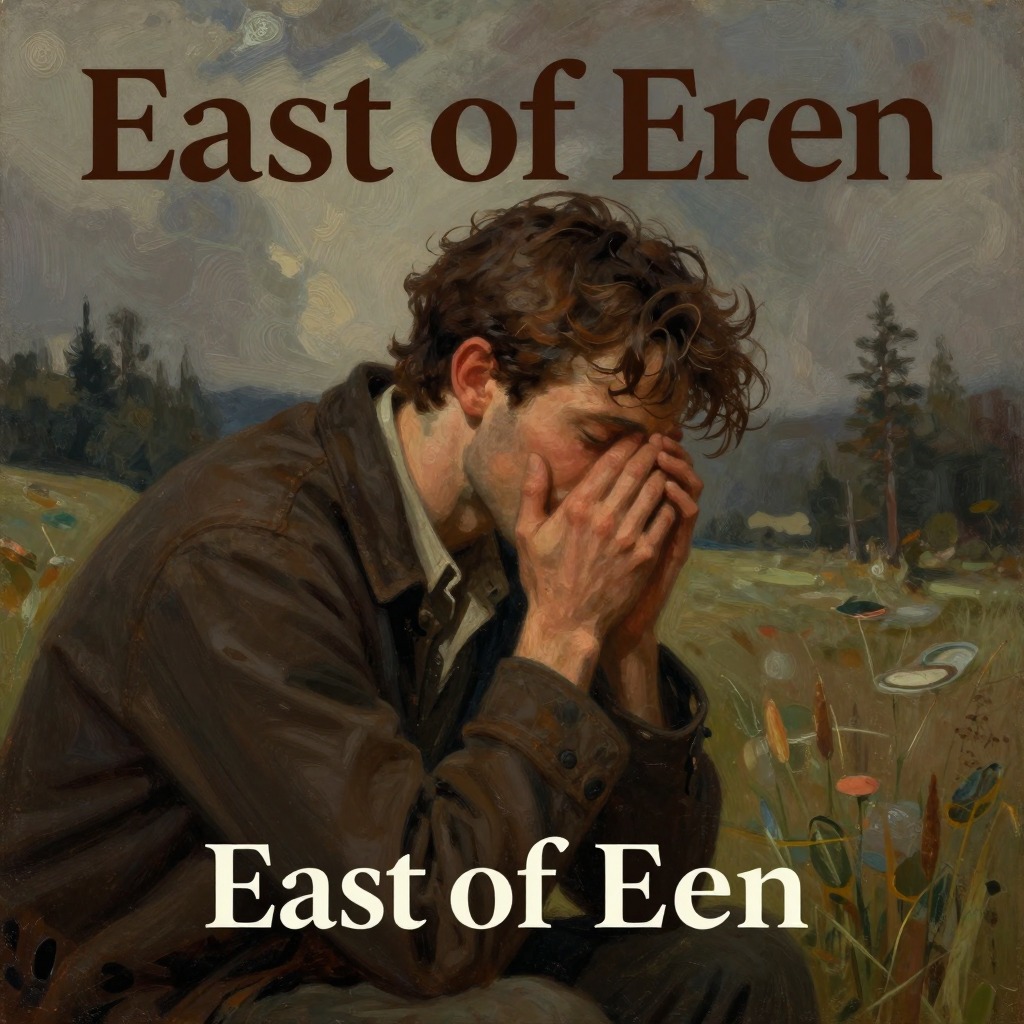
Lee tells Adam that Caleb is his only son now and will live to marry and have children who will be the only remnant left of Adam. He confesses that Caleb did a thing in anger because he thought Adam had rejected him, and the result is that Aron is dead. When Cal protests, Lee insists he must speak, taking the blame upon himself: "If there's blame, it's my blame." He tells Adam that his son is marked with guilt out of himself, almost more than he can bear, and begs Adam not to crush him with rejection. "Give him your blessing," Lee cries. "Don't leave him alone with his guilt. Help him, Adam—give him his chance. Let him be free. That's all a man has over the beasts. Free him! Bless him!"
Adam's Response and the Utterance of "Timshel"
The whole bed seems to shake under the concentration of Adam's effort. His breath comes quick, and then slowly his right hand lifts an inch and falls back. Lee moves to the head of the bed, wipes Adam's damp face, and whispers thanks, asking him to make his lips form Cal's name. Adam looks up with sick weariness, his lips parting and failing and trying again. Then his lungs fill, he expels the air, and his lips comb the rushing sigh. His whispered word seems to hang in the air: "Timshel!" His eyes close and he sleeps. The word is the Hebrew term Lee had discovered through years of study with four elderly Chinese scholars in San Francisco, who concluded that the original text of Genesis 4:7 reads "Thou mayest" rather than "Thou shalt" or "Do thou"—a translation that gives humanity the choice to rule over sin rather than being commanded or predestined to do so.
Thematic Significance of the Final Word
Adam's utterance of "Timshel" completes the novel's central theological argument about free will and moral choice. Earlier, Lee had explained to Samuel Hamilton and Adam that this word "gives a choice" and "throws it right back on a man," making him great by giving him stature with the gods. Adam's final word is not merely a repetition of Lee's discovery but an active blessing—a performative act that frees Cal from the deterministic weight of his mother's monstrous nature and his own guilt. By whispering "Timshel," Adam affirms that Cal can choose his own path, that he is not condemned by his blood or his past actions. The word also echoes Samuel Hamilton's earlier insight that the story of Cain and Abel is "everybody's story" and that rejection leads to anger, crime, and guilt—a cycle that Adam's blessing breaks. Adam's final act is thus not one of judgment but of liberation, transforming him from a man who had been "fallow" and paralyzed by his wife's betrayal into a figure of grace who grants his son the freedom to choose goodness.