Alphonse Frankenstein
Alphonse Frankenstein is the father of Victor Frankenstein and a figure of unimpeachable public and private virtue in the novel. A Genevese of distinguished lineage, he served for many years as a counsellor and syndic, respected by all for his integrity and tireless attention to public business. His personal history is marked by an act of extraordinary compassion: after his friend Beaufort fell into poverty and disappeared, Alphonse spent ten months searching for him, only to arrive at Beaufort's deathbed. There he found Beaufort's orphaned daughter Caroline, whom he took under his protection and later married, despite the considerable difference in their ages. This marriage, founded on gratitude and reverence, set the pattern for a household governed by kindness and moral seriousness.
Identity and Background
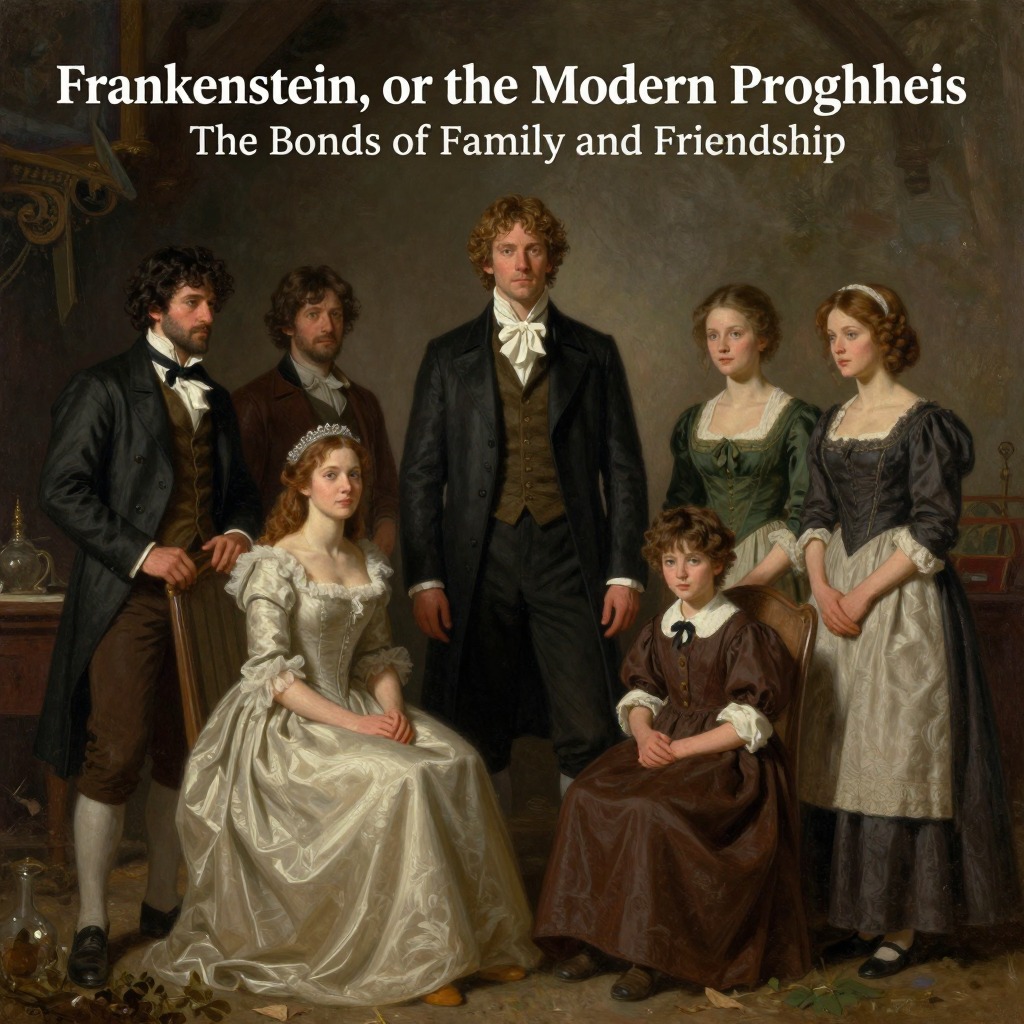
Alphonse Frankenstein was born into one of the most distinguished families of the Genevese republic, his ancestors having served for generations as counsellors and syndics. He himself filled several public situations with honour and reputation, and was respected by all who knew him for his integrity and indefatigable attention to public business. His marriage to Caroline Beaufort came late in life, after he had rescued her from the poverty and desolation following her father's death. The union was marked by a devoted affection in which Alphonse sought to shelter Caroline from every hardship, as a gardener shelters a fair exotic, and to surround her with everything that could excite pleasurable emotion. After their marriage, they travelled through Italy, Germany, and France, and their first child, Victor, was born in Naples.
Life and Plot Trajectory
Alphonse's life is a narrative of progressive loss. His wife Caroline died of scarlet fever contracted while nursing Elizabeth Lavenza, a blow that left him to raise his children alone. Years later, his youngest son William was murdered, and the family's beloved servant Justine Moritz was executed for the crime, though she was innocent. Alphonse, though deeply shaken, attempted to maintain composure and urged Victor to moderate his grief, arguing that excessive sorrow prevents improvement and the discharge of daily usefulness. When Victor returned to Geneva after William's death, Alphonse welcomed him with mournful greeting and expressed his own anguish at discovering what he believed to be Justine's depravity and ingratitude. He later observed with pain the alteration in Victor's disposition and tried to inspire him with fortitude, drawing on the feelings of his own serene conscience and guiltless life.
Relationships and Conflict
Alphonse's relationship with Victor is one of deep affection shadowed by misunderstanding. He never learns the true cause of Victor's misery—the monster Victor created—and interprets Victor's despair as the result of excessive grief or, later, as a reluctance to marry Elizabeth. When Victor returned from Ireland after being imprisoned for the murder of Henry Clerval, Alphonse traveled to be with him, and his presence was a comfort. He tried to awaken in Victor feelings of affection, speaking of Geneva, Elizabeth, and Ernest, but these words only drew deep groans from his son. Alphonse also played a key role in arranging Victor's marriage to Elizabeth, seeing it as the tie of domestic comfort and the stay of his declining years. He urged Victor to marry immediately, hoping to dispel the gloom that had taken hold of his son's mind.
Change and Ending
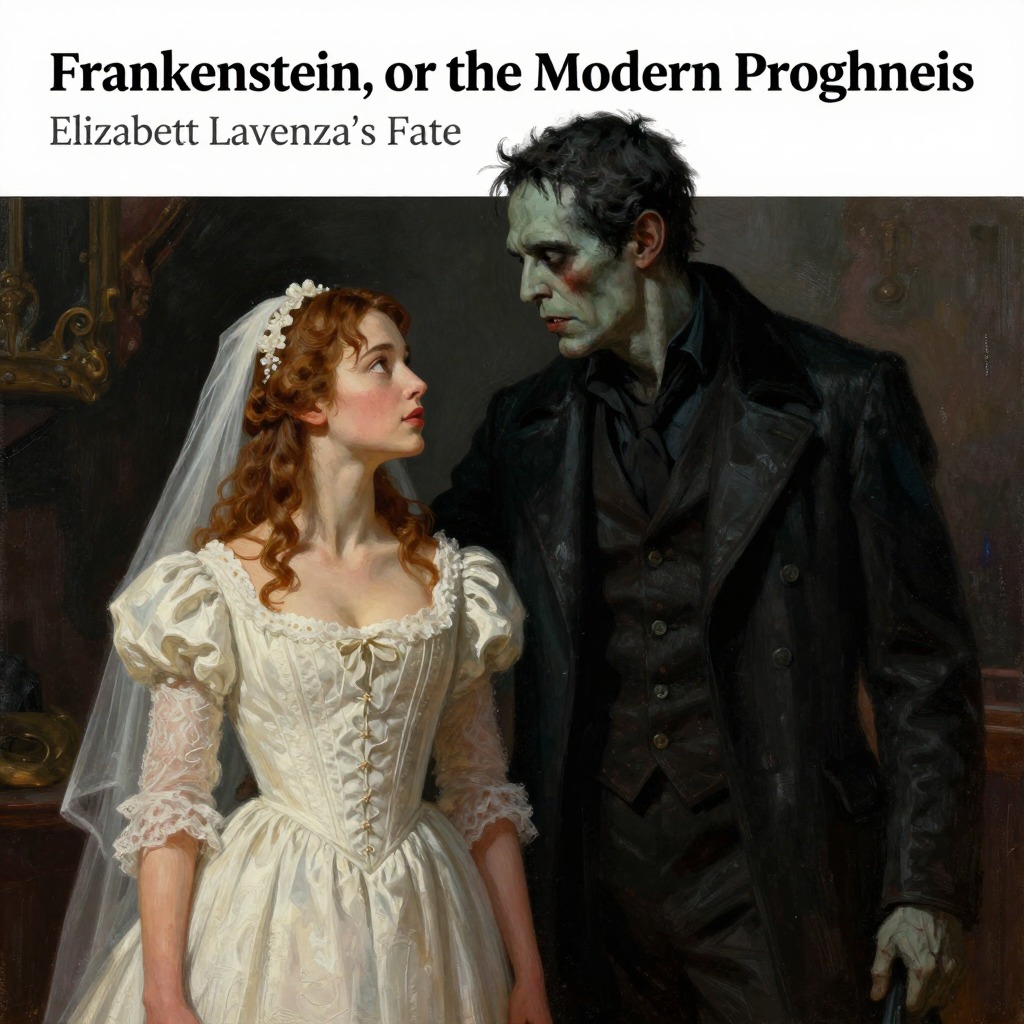
The final blow came when Elizabeth was murdered on her wedding night. Alphonse, already weakened by the earlier tragedies, could not survive this last loss. Victor, returning to Geneva, found his father alive but sinking under the tidings. Alphonse's eyes wandered in vacancy, for they had lost their charm and their delight—Elizabeth, his more than daughter, whom he doted on with all the affection a man feels who, in the decline of life, clings more earnestly to those that remain. He could not live under the horrors accumulated around him; the springs of existence suddenly gave way, and in a few days he died in Victor's arms. His death completed the destruction of the Frankenstein family, leaving Victor alone to pursue his revenge.
Narrative Role and Evaluation
Alphonse Frankenstein serves as a moral counterpoint to his son's ambition. Where Victor pursues forbidden knowledge with reckless passion, Alphonse embodies the values of duty, moderation, and domestic affection. His advice to Victor—that excessive sorrow prevents improvement and that one must continue one's course with the rest—is sound but tragically inapplicable to Victor's situation, since Victor's guilt and terror are rooted in a secret he cannot reveal. Alphonse's death, like those of William, Justine, Clerval, and Elizabeth, is a direct consequence of Victor's creation, and his passing marks the final dissolution of the family that Victor had hoped to protect.