Caroline Beaufort
Caroline Beaufort is the mother of Victor Frankenstein, whose tragic early life and death shape the emotional landscape of the novel. Her story of poverty, rescue, and marriage to Alphonse Frankenstein establishes a pattern of benevolent intervention that Victor later fails to replicate, while her death from scarlet fever, contracted while nursing Elizabeth, becomes the first great loss that sets Victor on his path of obsessive creation.
Identity and Background
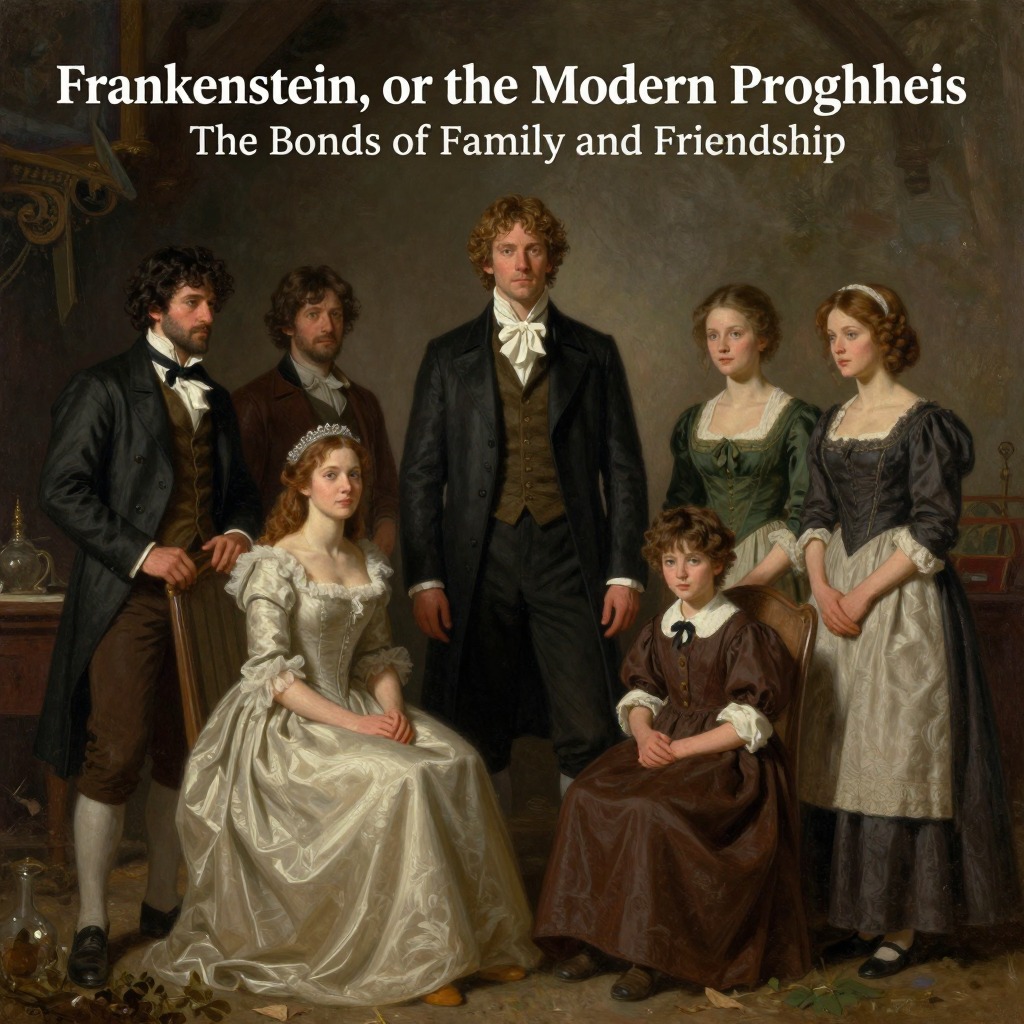
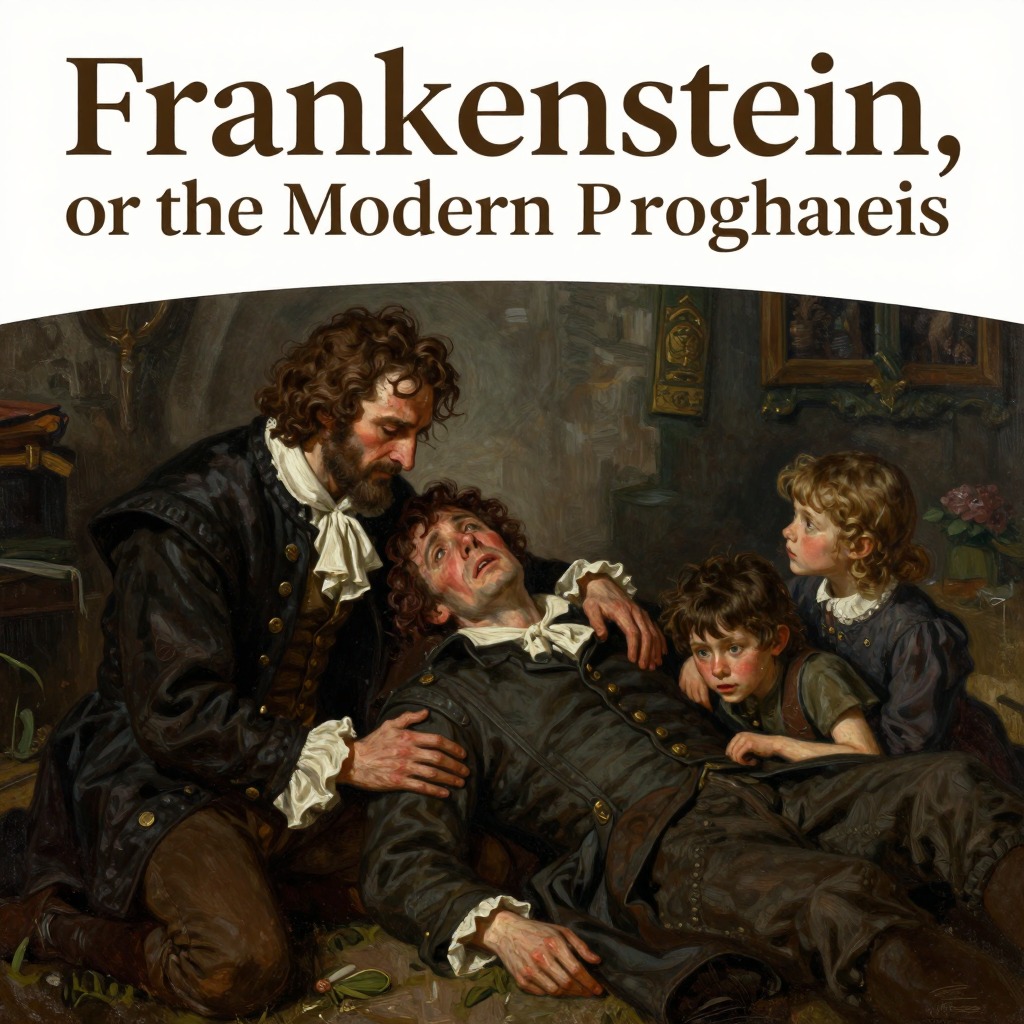
Caroline Beaufort was the daughter of a once-prosperous Genevese merchant named Beaufort, who fell into poverty through a series of misfortunes. Too proud to live in obscurity in the same country where he had been distinguished, Beaufort retreated with his daughter to Lucerne, where he lived in wretchedness. Alphonse Frankenstein, Beaufort's closest friend, searched for him for ten months before discovering his abode in a mean street near the Reuss. When Alphonse finally entered the house, he found Beaufort on his deathbed; Caroline, who had supported her father by plaiting straw and doing plain work, knelt weeping by the coffin. Alphonse "came like a protecting spirit" to the orphaned girl, conducted her to Geneva, placed her under a relative's protection, and two years later married her. The considerable age difference between them only seemed to unite them more closely, and Alphonse treated Caroline with a reverence that sought to shelter her from every hardship, as a gardener shelters a fair exotic.
Life and Plot Trajectory
Caroline's life after marriage was one of devoted motherhood and charitable activity. She and Alphonse traveled through Italy, Germany, and France, and Victor, their eldest child, was born in Naples. Caroline had long desired a daughter, and when Victor was about five years old, during an excursion near the Lake of Como, she discovered a fair-haired, blue-eyed orphan girl living with a poor peasant family. The child, Elizabeth Lavenza, was the daughter of a Milanese nobleman whose mother had died in childbirth; Caroline prevailed upon the foster parents to yield their charge, and Elizabeth became a permanent member of the Frankenstein household. Caroline's benevolent disposition made visiting the poor a passion rather than a duty, a trait rooted in her own experience of suffering and relief. When Elizabeth later caught scarlet fever, Caroline insisted on nursing her despite the family's entreaties. Elizabeth recovered, but Caroline fell ill and died on the third day, her last act being to join the hands of Victor and Elizabeth and express her hope for their future union. Her death is described as calm, her countenance expressing affection even in death.
Relationships and Conflict
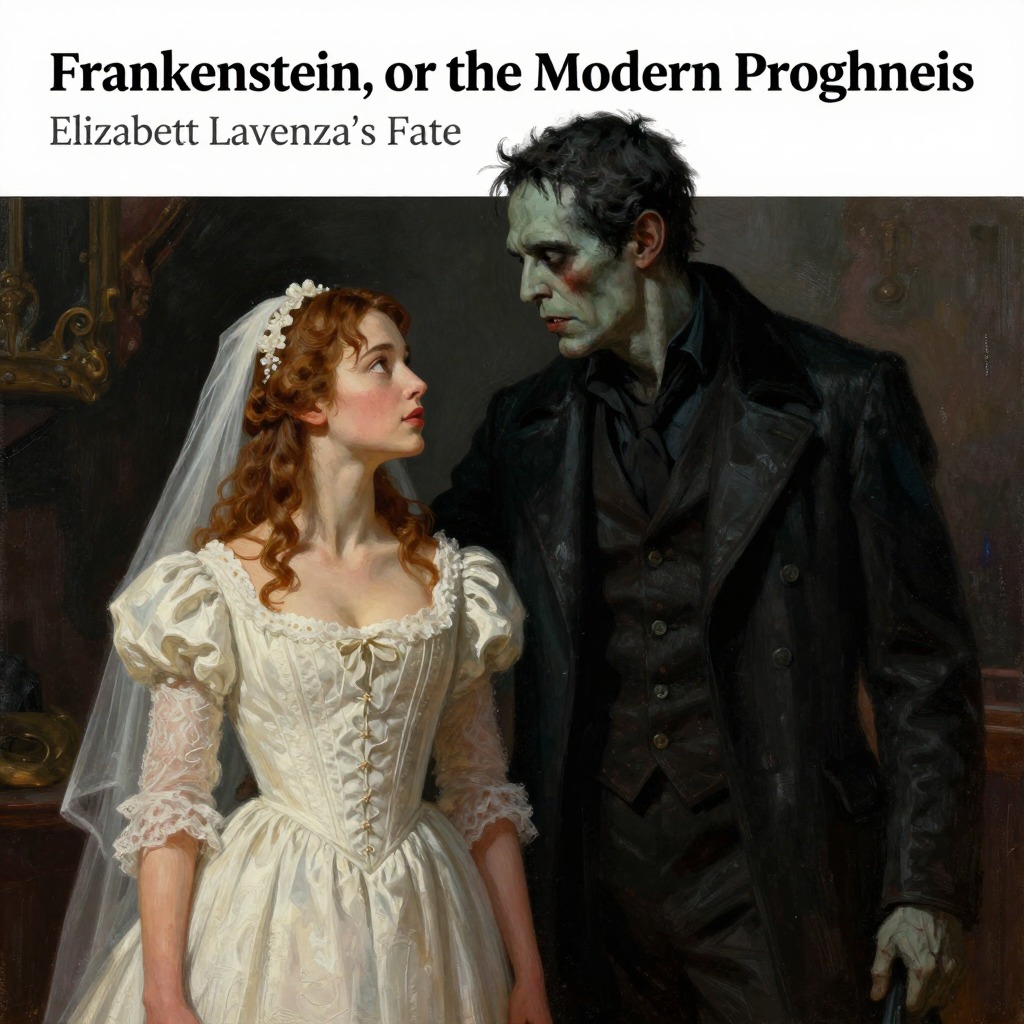
Caroline's relationship with Alphonse Frankenstein was marked by devoted affection and a sense of gratitude on his part for the sorrows she had endured. She was the emotional center of the family, and her death left a void that Victor never fully fills. Her relationship with Elizabeth was maternal and protective; she educated the orphan girl and treated her as a daughter. Caroline's death also creates a lasting psychological wound for Victor: in his nightmare after creating the monster, he dreams that he kisses Elizabeth and her lips become livid with the hue of death, and he holds the corpse of his dead mother in his arms, with grave-worms crawling in the folds of her shroud. This dream reveals the deep connection in Victor's mind between his creative act and the loss of his mother. Caroline's portrait, a miniature that William wore on the night of his murder, becomes the object that the monster uses to frame Justine, placing it in her pocket after strangling the boy. The portrait thus becomes a link between Caroline's benevolent legacy and the chain of deaths that follow.
Change and Ending
Caroline's death is the first major misfortune in Victor's life, occurring just before his departure for the University of Ingolstadt. Her loss is described as "the first misfortune of my life — an omen, as it were, of my future misery." Victor's father, Alphonse, never fully recovers from the blow, and the family home becomes a house of mourning. Caroline's death also accelerates Victor's departure for university, where he will pursue the forbidden knowledge that leads to the creation of the monster. In his final years, Victor carries with him a few jewels that had belonged to his mother, using them to fund his pursuit of the monster across the globe. The memory of Caroline's gentle influence is contrasted with Victor's own failure as a creator: where she brought life and nurture, he brings death and abandonment.
Thematic Significance
Caroline Beaufort represents the ideal of benevolent, self-sacrificing motherhood that Victor fails to emulate in his role as creator. Her death from a disease contracted while nursing Elizabeth mirrors the way Victor's own creative act leads to the destruction of those he loves. The miniature portrait of Caroline, which the monster uses to frame Justine, becomes a symbol of how the innocent are destroyed by the consequences of Victor's ambition. Caroline's story also establishes the theme of the orphan and the rescuer: she is rescued by Alphonse, just as Elizabeth is rescued by Caroline, but Victor, who should rescue and nurture his creation, instead abandons it. The novel thus uses Caroline's life and death to critique the failure of the creator to take responsibility for his creation.