Henry Clerval
Henry Clerval is the son of a Geneva merchant and Victor Frankenstein's most intimate friend from boyhood. Where Victor is consumed by the hidden laws of nature, Clerval is drawn to the moral relations of things: he loves enterprise, hardship, and danger for their own sake, is deeply read in books of chivalry and romance, composes heroic songs, and writes tales of enchantment and knightly adventure. He tries to stage plays and masquerades drawn from the heroes of Roncesvalles, King Arthur's Round Table, and the crusaders. His hope and dream is to become one of the gallant and adventurous benefactors of humanity recorded in story. Clerval's presence in Victor's life provides a counterweight to the latter's solitary scientific fervor; the saintly soul of Elizabeth Lavenza and Clerval's humane generosity together keep Victor from becoming wholly sullen or rough. Clerval's passion for adventurous exploit is tempered by the tenderness and kindness that Elizabeth's example has unfolded in him, making the doing of good the end and aim of his soaring ambition.
Arrival at Ingolstadt and Nursing Victor
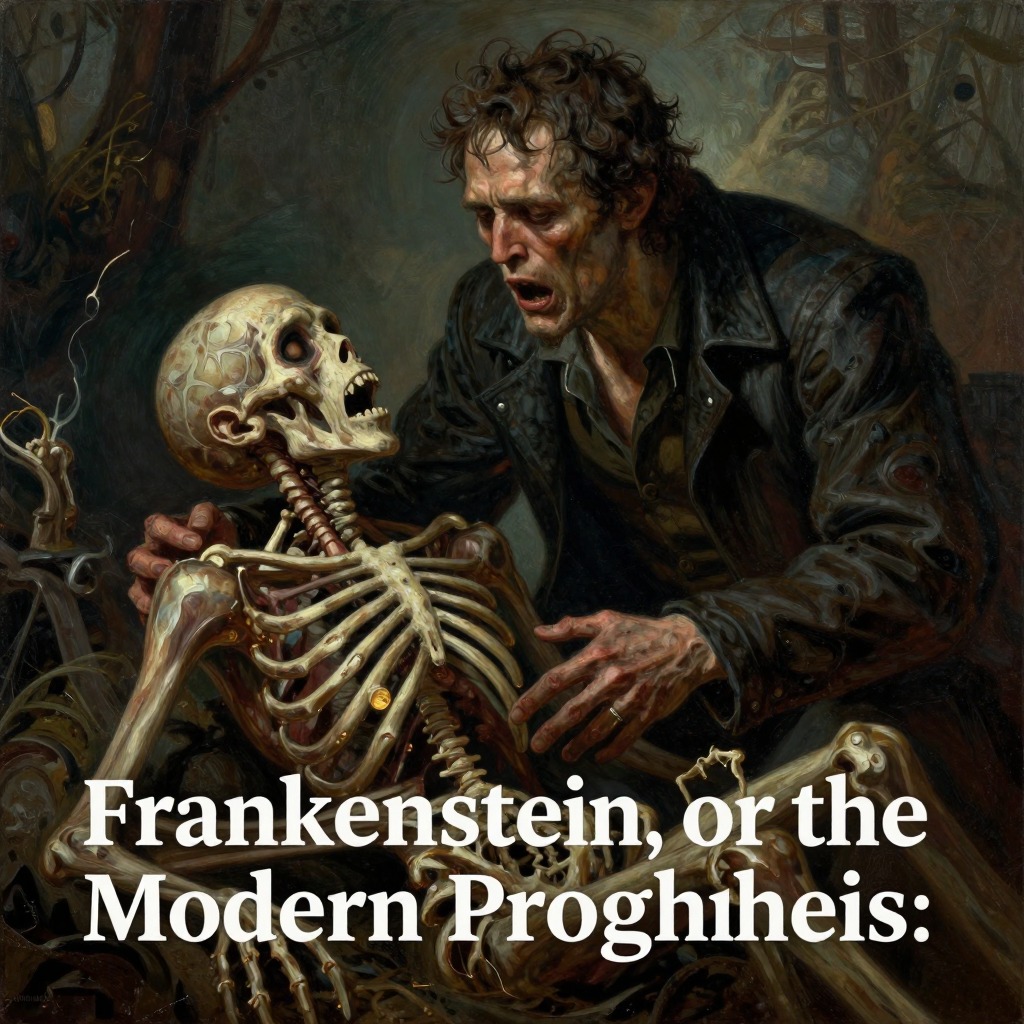
Clerval arrives in Ingolstadt just after Victor's creation of the monster, alighting from the Swiss diligence at the very moment Victor is walking the streets in horror. Victor's delight on seeing Clerval is immediate and profound: his presence brings back thoughts of his father, Elizabeth, and all the dear scenes of home, and for the first time in many months Victor feels calm and serene joy. Clerval, however, quickly notices how ill Victor appears—thin, pale, and as if he has been watching for several nights. Victor's subsequent fit of nervous laughter and collapse into a convulsive seizure leads to a severe nervous fever that confines him for several months. During all that time, Clerval is his only nurse. Knowing that Victor's father is too old for a long journey and that Elizabeth would be made wretched by the news, Clerval conceals the extent of the disorder, firm in the hope of Victor's recovery. Victor later acknowledges that nothing but Clerval's unbounded and unremitting attentions could have restored him to life. Even when Victor raves incessantly about the monster, Clerval at first believes it the wanderings of a disturbed imagination, but the pertinacity of the subject persuades him that the disorder owes its origin to some uncommon and terrible event.
Shared Studies and the Journey to England
Clerval never sympathizes with Victor's tastes for natural science; his own literary pursuits are wholly different. He comes to the university intending to master the oriental languages—Persian, Arabic, and Sanskrit—as a field for his spirit of enterprise, and he easily induces Victor to join him in these studies. Victor finds not only instruction but consolation in the works of the orientalists, whose melancholy is soothing and whose joy is elevating. Clerval's conversation is full of imagination; he invents tales of wonderful fancy and passion in imitation of Persian and Arabic writers, repeats Victor's favorite poems, and draws him into arguments supported with great ingenuity. When Victor receives the letter from his father announcing William's murder, Clerval reads it with tears and offers heartfelt sympathy, though he can give no consolation. He accompanies Victor to order horses and speaks words that Victor remembers afterward in solitude: "Poor William! dear lovely child, he now sleeps with his angel mother!"
Later, when Victor plans a journey to England to obtain knowledge necessary for creating the monster's female companion, his father and Elizabeth arrange for Clerval to join him at Strasbourg. Victor at first resents the intrusion on his solitude, but then rejoices that Henry might stand between him and the intrusion of his foe. The contrast between them is stark: Clerval is alive to every new scene, joyful at the setting and rising sun, pointing out the shifting colors of the landscape, while Victor is occupied by gloomy thoughts. They descend the Rhine together from Strasbourg to Rotterdam, then take shipping to London. Clerval desires the intercourse of men of genius and talent; his design is to visit India, believing his knowledge of its languages and society can assist European colonization and trade. In Britain alone can he further this plan. He is forever busy, and the only check to his enjoyments is Victor's sorrowful and dejected mind. Victor often refuses to accompany him, alleging another engagement, to remain alone and collect materials for his new creation.
The Scottish Tour and Clerval's Death
After passing some months in London, they receive an invitation to visit a friend in Perth, Scotland. Clerval eagerly accepts, and they travel through Windsor, Oxford, Matlock, and the Cumberland lakes. Clerval's delight is proportionably greater than Victor's; his mind expands in the company of men of talent, and he finds in his own nature greater capacities than he had imagined. He tells Victor he could pass his life among these mountains and scarcely regret Switzerland and the Rhine. But Victor, impatient to finish his loathsome task, tells Clerval he wishes to make the tour of Scotland alone. Clerval tries to dissuade him but eventually yields, entreating Victor to write often and saying he would rather be with him in his solitary rambles than with the Scotch people he does not know. Victor departs for the Orkney Islands, where he begins and then destroys the female creature. The monster, enraged, murders Clerval and leaves his body on the Irish shore. Victor is arrested for the murder, and when he sees the lifeless form of Henry Clerval stretched before him, he gasps for breath, throws himself on the body, and exclaims, "Have my murderous machinations deprived you also, my dearest Henry, of life?" He falls into strong convulsions and lies for two months on the point of death, raving that he is the murderer of William, Justine, and Clerval.
Thematic Significance
Clerval represents the humane, social, and creative potential that Victor sacrifices to his obsessive pursuit of knowledge. Where Victor's ambition isolates him and leads to destruction, Clerval's aspirations are rooted in connection with others and the natural world. His murder is the crime that finally breaks Victor's spirit and confirms the monster's power to inflict irreparable loss. In his final advice to Walton, Victor speaks of Clerval as a friend whose loss can never be replaced, and the memory of Clerval's gentle and lovely being haunts Victor even in his dreams. Clerval's death, like those of William and Elizabeth, is a direct consequence of Victor's failure to take responsibility for his creation, and it cements the novel's warning that the pursuit of knowledge, when divorced from moral and social bonds, leads to ruin.