
The Big-endian and Small-endian Conflict
Gulliver's TravelsThe religious and political war between Lilliput and Blefuscu over the proper way to break eggs, satirizing European religious strife.
increasing Bearing strength in each event
 decreasing
Bearing strength in each eventdecreasingThe Origin of the Controversy
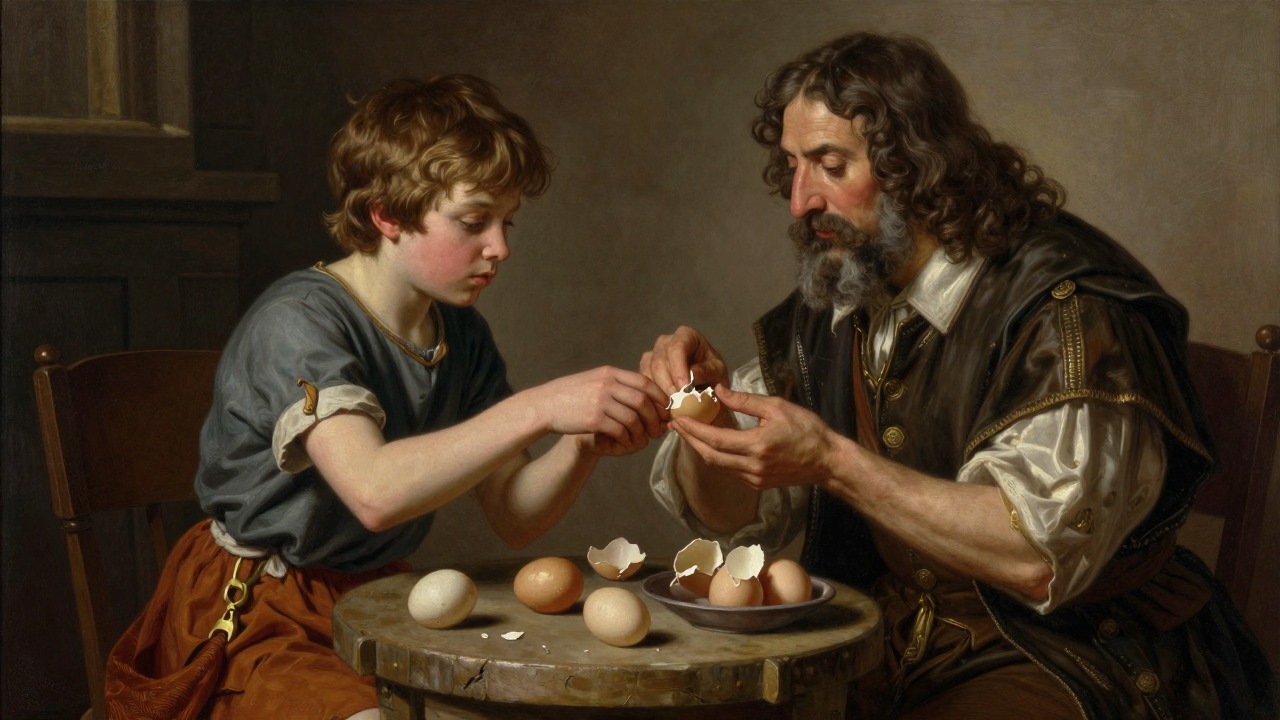
The Edict of the Grandfather
The Accident
According to Reldresal, the present emperor's grandfather, while a boy, cut his finger breaking an egg at the larger end. His father, the emperor, then published an edict commanding all subjects to break the smaller end of their eggs, on pain of great penalties.
The Rebellions
This law caused six rebellions, in which one emperor lost his life and another his crown. The Big-endian exiles fled to Blefuscu, which fomented the civil commotions. The war has been ongoing for thirty-six moons, with heavy losses on both sides.
The Religious Basis
The controversy is religious: the great prophet Lustrog, in the fifty-fourth chapter of the Blundecral (the Lilliputian Alcoran), says that "all true believers break their eggs at the convenient end." The Big-endians interpret this as the larger end, while the Little-endians insist on the smaller. The dispute is a parody of the Protestant-Catholic divide over the interpretation of scripture.
The War Between Lilliput and Blefuscu
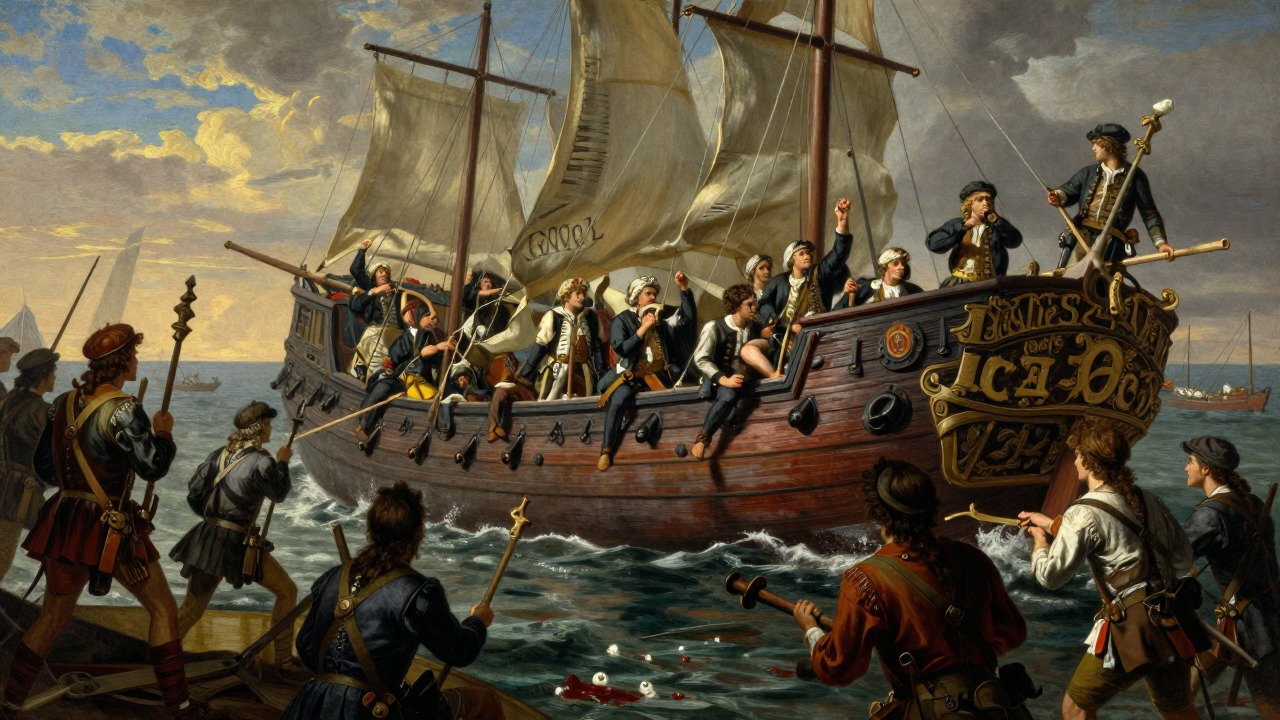
The Military Conflict
The Losses
Reldresal tells Gulliver that Lilliput has lost forty capital ships, a much greater number of smaller vessels, and thirty thousand seamen and soldiers. The enemy's losses are greater. The war is costly and bloody.
The Imminent Invasion
Blefuscu has equipped a numerous fleet and is preparing to make a descent upon Lilliput. The emperor is counting on Gulliver's strength to defend them. This leads to Gulliver's capture of the Blefuscu fleet.
The Peace After the Fleet Capture
After Gulliver captures the fleet, Blefuscu sues for peace. The treaty is concluded on terms advantageous to Lilliput. However, the emperor wants to continue the war to reduce Blefuscu to a province. Gulliver's refusal to help further causes his downfall.
The Big-endian Exiles and Their Influence
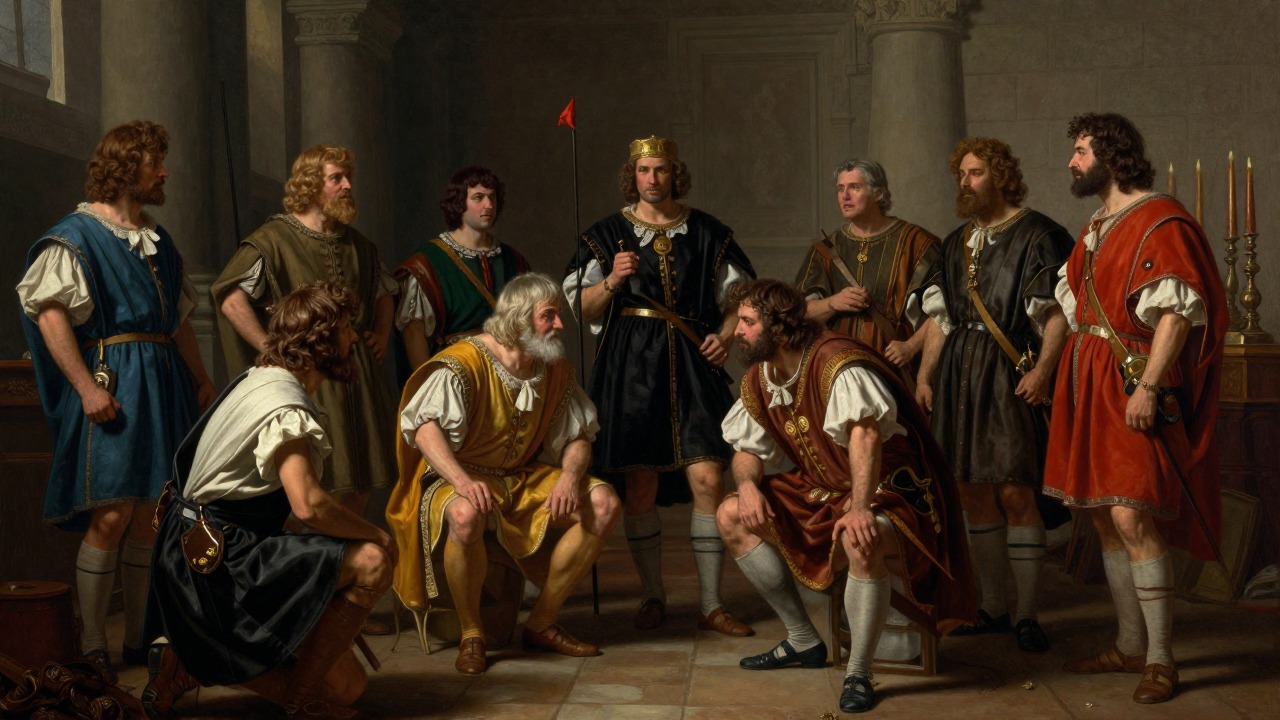
The Exiles
The Refuge in Blefuscu
Big-endian exiles have found credit at the court of Blefuscu and receive private assistance from their party in Lilliput. This maintains the conflict. The exiles are a constant source of tension.
The Emperors' Interventions
The emperors of Blefuscu have frequently expostulated with Lilliput, accusing them of making a schism in religion. The Big-endians consider the Little-endians heretics. The religious dimension keeps the war alive even after the fleet is lost.
The Parallel to European Exiles
Swift is satirizing the religious exiles of Europe, such as the Huguenots and the Puritans, who fled persecution and often fomented further conflict. The absurdity of the egg-breaking controversy makes the parallel all the more potent.
The Emperor's Ambition to End the War
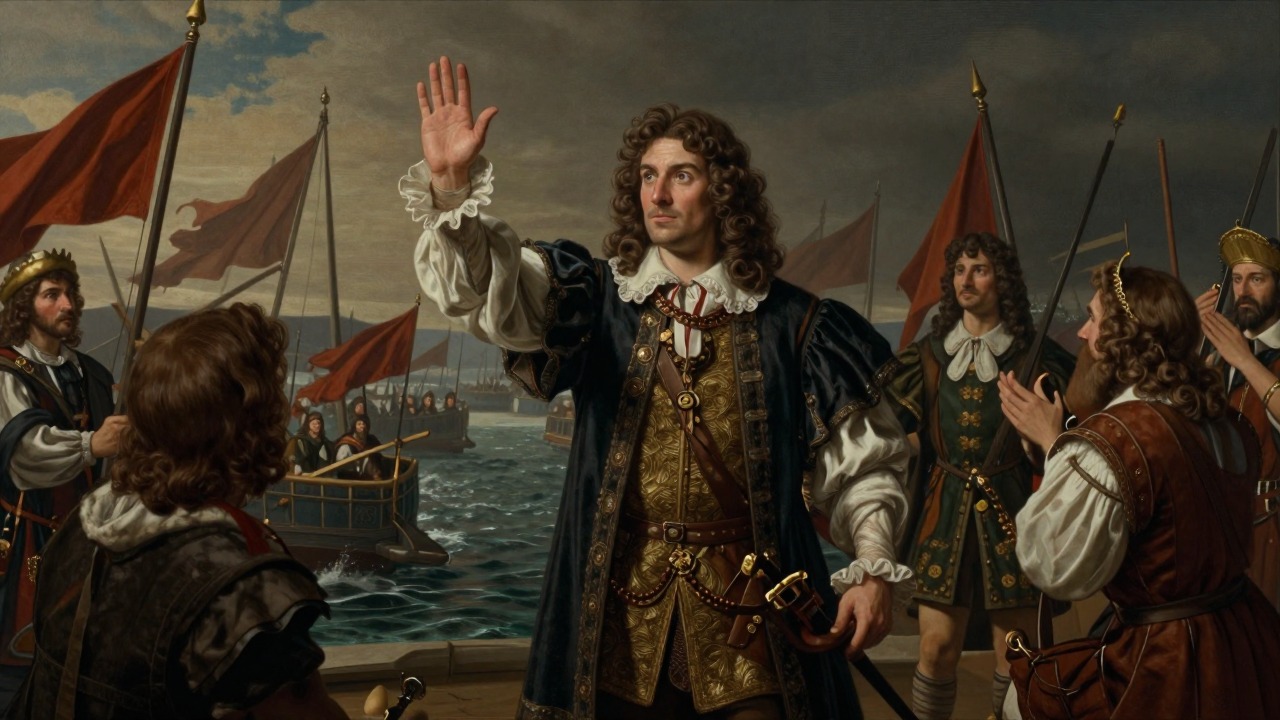
The Desire for Total Victory
The Emperor's Plan
After the fleet capture, the emperor wants to reduce Blefuscu to a province, destroy the Big-endian exiles, and force everyone to break eggs at the smaller end. He wants to be the sole monarch of the world.
Gulliver's Refusal
Gulliver refuses to be an instrument of such conquest. He argues that it is against policy and justice. The wise ministers agree, but the emperor is offended. This refusal leads to the conspiracy against Gulliver.
The Unresolved Conflict
The war ends with a treaty, but the underlying conflict remains. The exiles are still in Blefuscu, and the parties at home still exist. The conflict is not resolved; it is merely paused. Swift suggests that such religious conflicts are intractable.
historical, recounted in chapter 4
ongoing during Gulliver's stay, 1699-1701
after the war, ongoing
after the fleet capture, 1700
