
The Fate of Flimnap, the Lilliputian Treasurer
Gulliver's TravelsFlimnap's role as Gulliver's secret enemy, his skill in rope-dancing, and his success in the conspiracy against Gulliver.
increasing Bearing strength in each event
 decreasing
Bearing strength in each eventdecreasingFlimnap's First Appearance
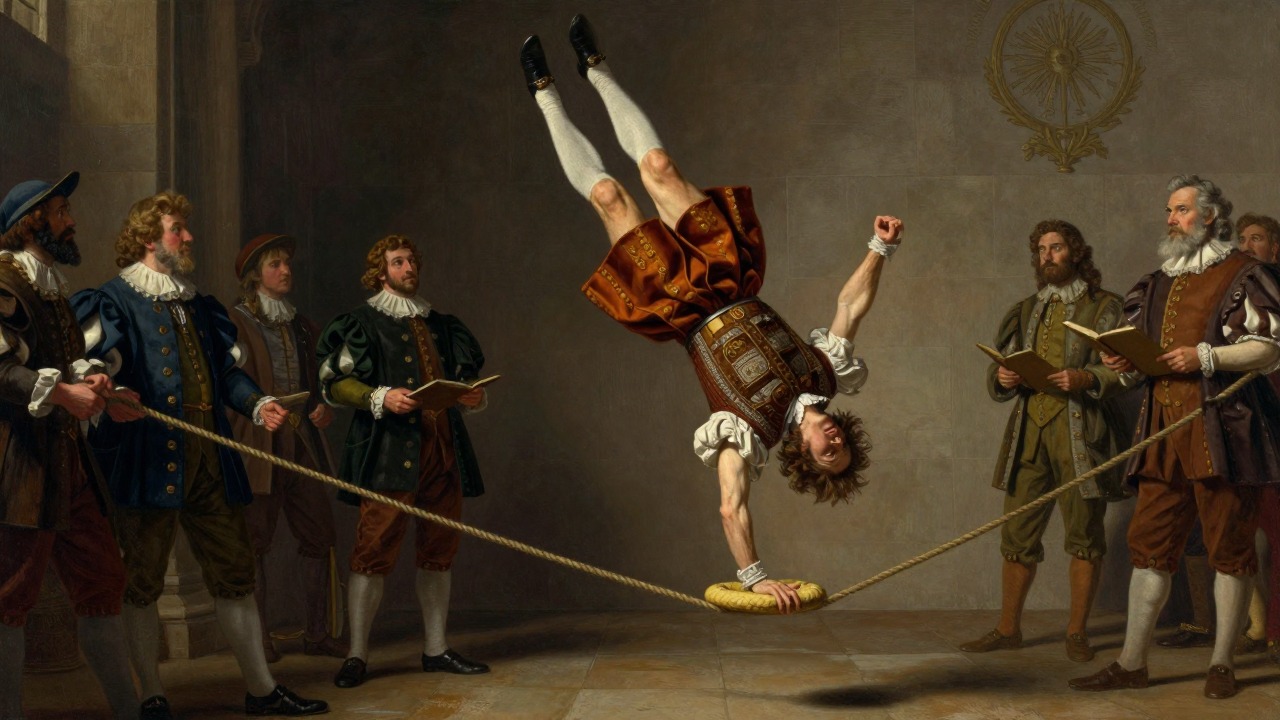
The Master of Rope-Dancing
The Skilful Dancer
Flimnap is introduced as the lord high treasurer, allowed to cut a caper on the straight rope at least an inch higher than any other lord. He can also perform summersaults on a trencher on a rope. His skill is a metaphor for his political agility.
The Jealousy
Flimnap is secretly Gulliver's enemy from the beginning. He outwardly caresses him but is morose and sour. He seizes every opportunity to do him ill offices. His enmity is driven by jealousy of Gulliver's popularity.
The Financial Argument
When the emperor dines with Gulliver, Flimnap represents the low condition of the treasury, claiming that Gulliver has cost the crown a million and a half of sprugs. He advises the emperor to take the first fair occasion to dismiss him. This is the first open move against Gulliver.
Flimnap's Role in the Conspiracy
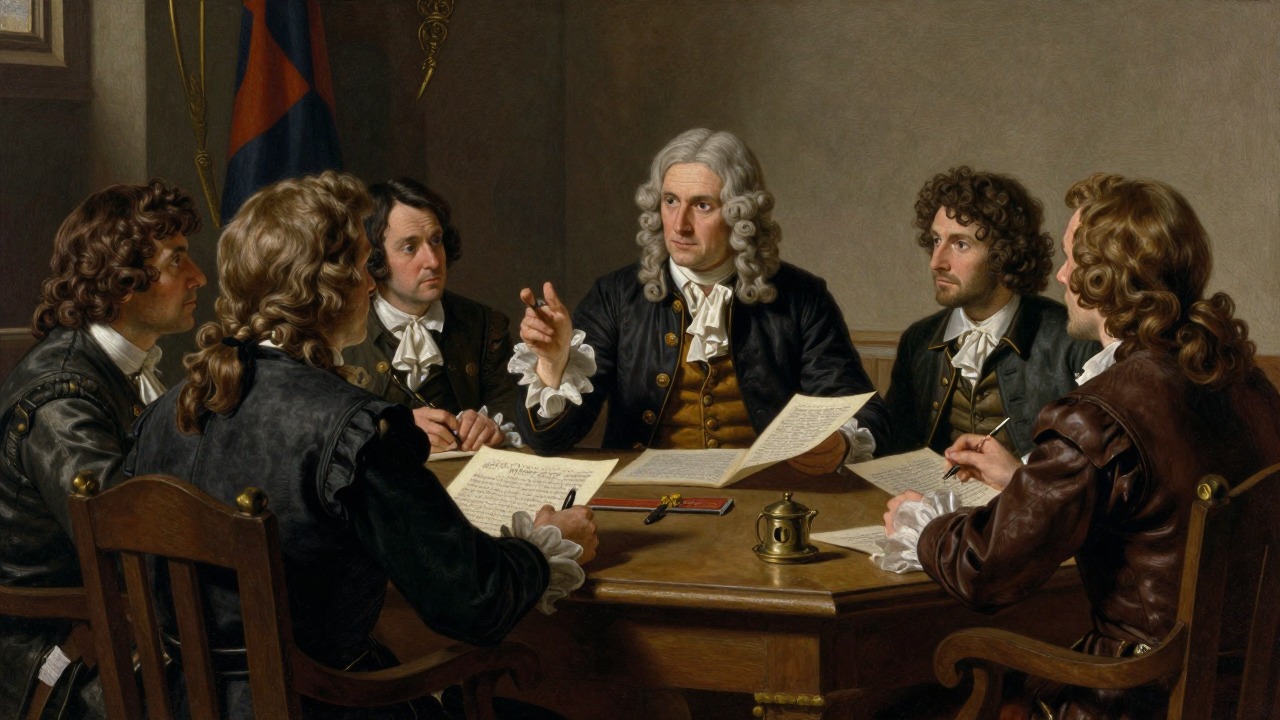
The Junto Against Gulliver
The Articles of Impeachment
Flimnap is one of the leading conspirators. He joins with Bolgolam, Limtoc, Lalcon, and Balmuff to prepare the articles of impeachment. He is particularly active in the council, insisting on the most painful death for Gulliver.
The Debate
In the council, Flimnap supports Bolgolam's proposal to put Gulliver to death. He argues that the expense of feeding Gulliver is insupportable and that even blinding him would not reduce the cost, as it would increase his appetite like a fowl.
The Victory
Although the emperor spares Gulliver's life, Flimnap effectively succeeds in having him condemned. Gulliver's escape frustrates the conspiracy, but Flimnap's enmity has achieved its goal: Gulliver is driven out of the kingdom.
Flimnap's Aftermath and Legacy
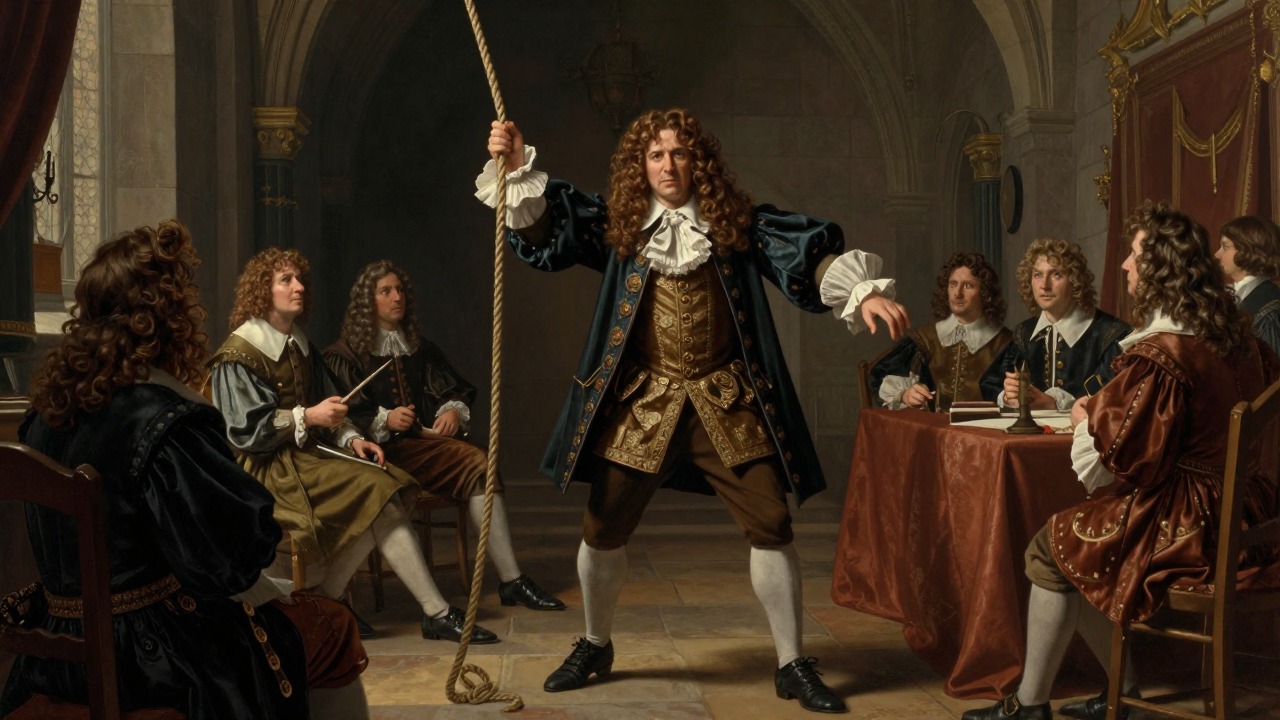
The Triumphant Minister
The Restoration of Order
After Gulliver's flight, Flimnap remains in power. The immediate threat is gone. He likely continues his career of rope-dancing and political maneuvering. The court resumes its normal intrigues.
The Symbol of Court Corruption
Flimnap represents the corrupt minister who uses his position for personal gain and who destroys those who threaten his influence. He is a type of the evil courtier that Swift condemns.
The Reader's Judgment
Swift does not give Flimnap a comeuppance. The book leaves him in power, suggesting that such men often succeed. Gulliver's departure is a defeat for him, but Flimnap has won the battle. The irony is that the man who could dance on a rope is the one who tripped up the man-mountain.
early in the Lilliput stay, chapter 3
two months after the fleet capture, 1700
after Gulliver's escape, 1701
