
The Theme of Law and Justice in Lilliput and Brobdingnag
Gulliver's TravelsThe contrasting legal systems of the two kingdoms, and how they reflect different conceptions of justice.
increasing Bearing strength in each event
 decreasing
Bearing strength in each eventdecreasingLilliputian Laws on False Accusation and Reward
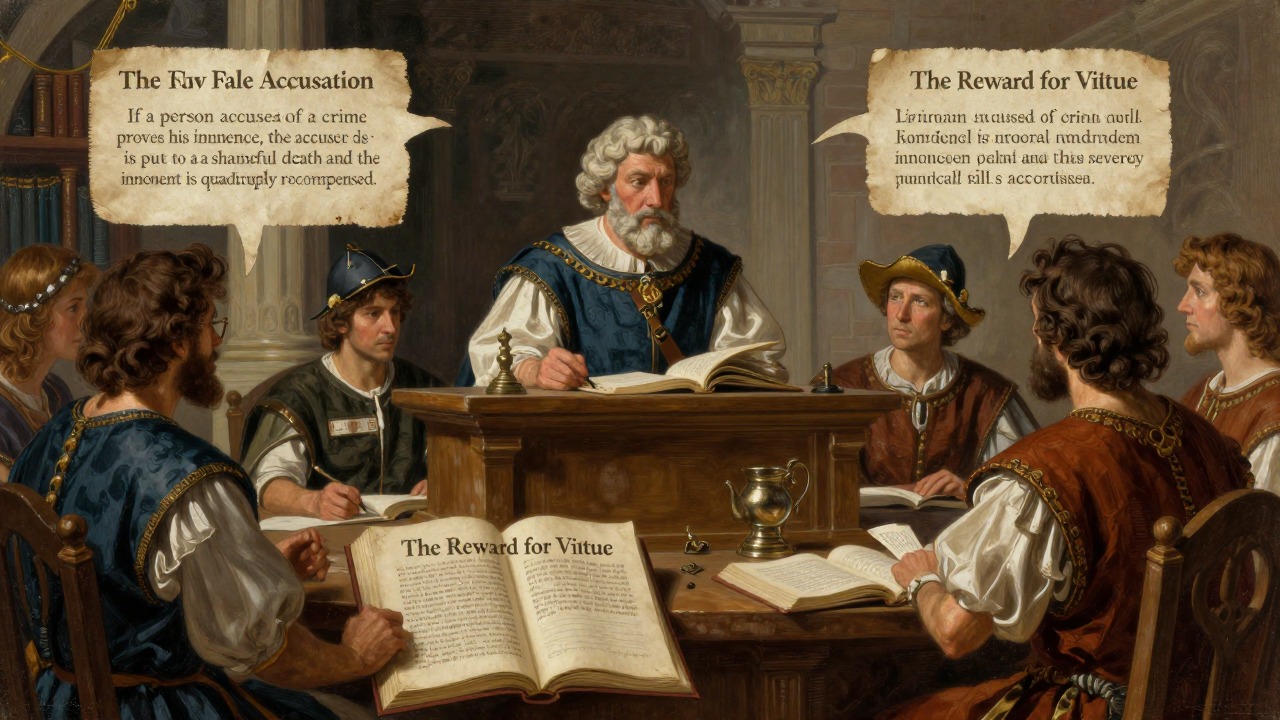
The Ideal of Justice
The Law of False Accusation
If a person accused of a crime proves his innocence, the accuser is put to a shameful death and the innocent is quadruply recompensed. This severely punishes false accusers.
The Reward for Virtue
The Snillpall system rewards those who obey the laws for seventy-three moons. This is a positive incentive, unlike the English system of only penalties.
The Corruption of Practice
Despite these ideal laws, the Lilliputian court is corrupt. The laws are not always executed. The conspiracy against Gulliver shows that the powerful can evade justice. The ideal laws are a foil to the actual practice.
The Brobdingnagian Law of Brevity
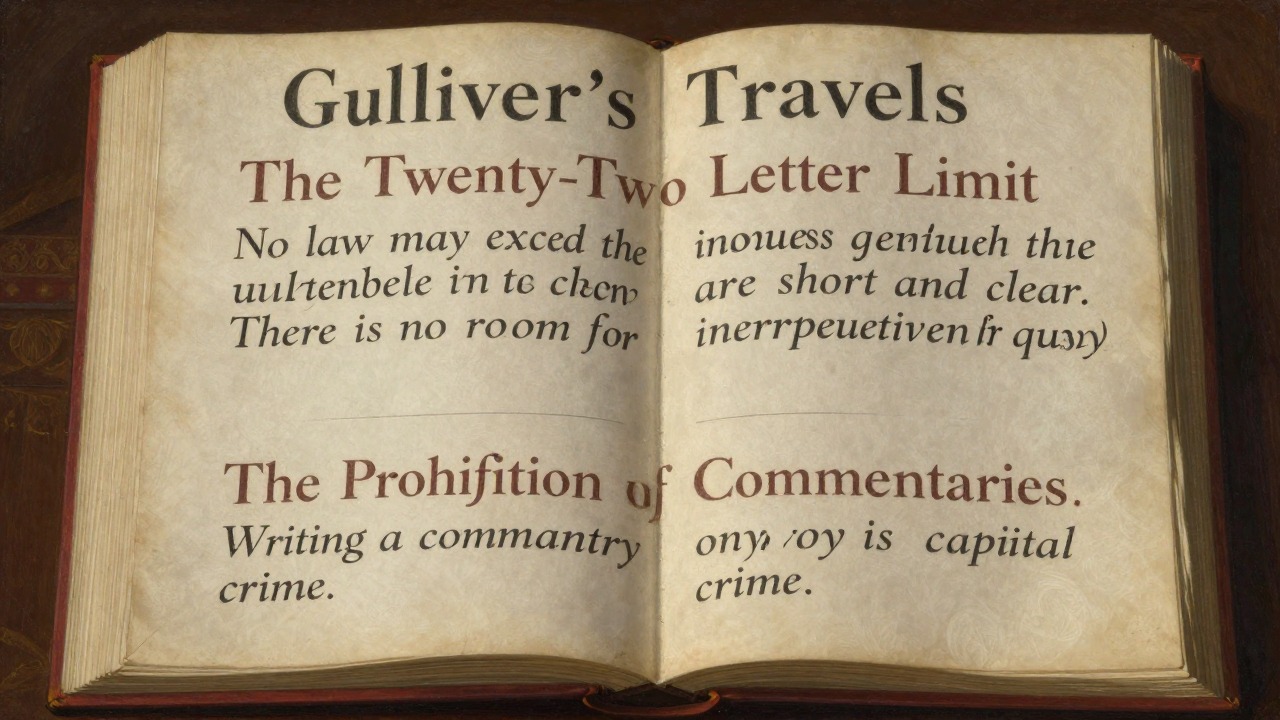
The Simple Code
The Twenty-Two Letter Limit
No law may exceed the number of letters in the alphabet. This ensures that laws are short and clear. There is no room for interpretation or ambiguity.
The Prohibition of Commentaries
Writing a commentary on any law is a capital crime. This prevents lawyers from twisting the meaning of the law. The Brobdingnagians believe that laws should be understood by all.
The Precedents
There are few precedents, so there is little skill in deciding cases. The system relies on common sense rather than legal expertise. This contrasts with the English legal system, which is full of precedents and interpretations.
The Contrast in Justice Systems
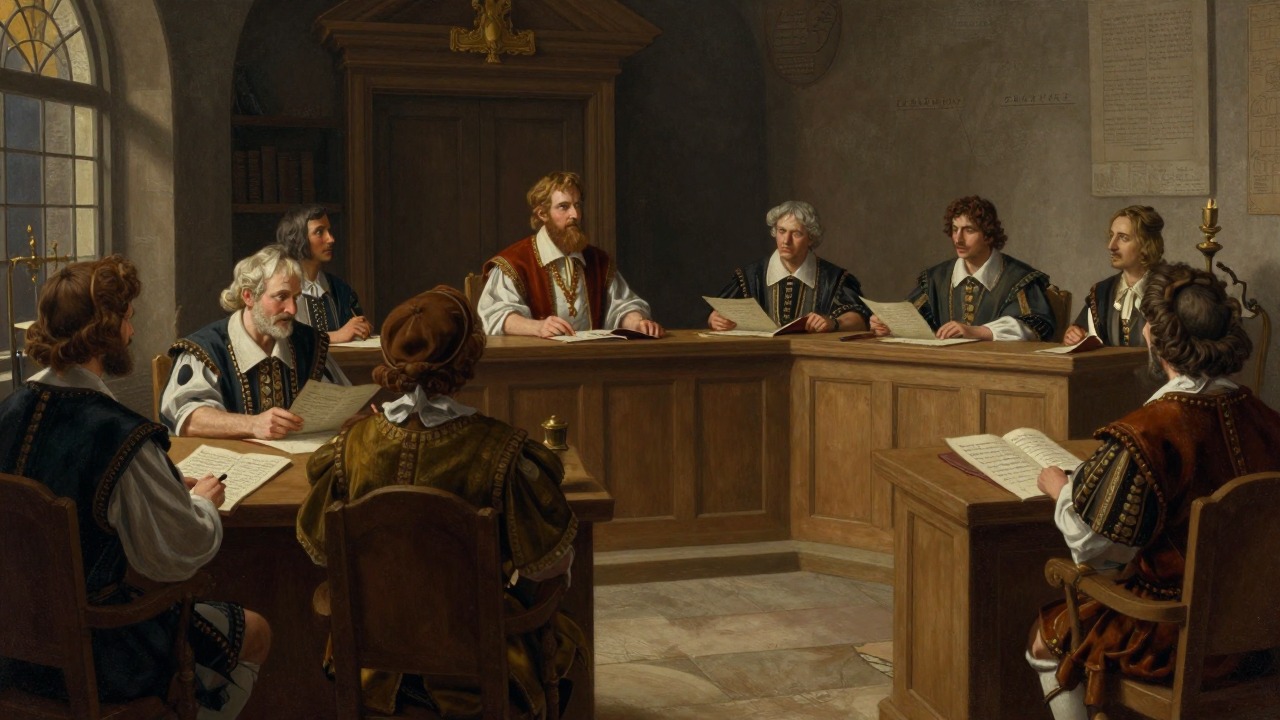
The Different Approaches
The Lilliputian Complexity
Lilliput has many laws, some ideal, some corrupt. The court uses the laws to persecute enemies. The emperor's lenity is a sham. The system is flawed by human nature.
The Brobdingnagian Simplicity
Brobdingnag has few laws, and they are simple. The king judges by common sense. The system is less prone to abuse, but it is also limited. The king's rejection of gunpowder shows his moral sense.
The Overall Satire
Swift uses both systems to criticize English law. The Lilliputian laws are satirical mirrors of English practices, while the Brobdingnagian laws are a utopian alternative. Neither is perfect, but the Brobdingnagian way is closer to Swift's ideal.
during the Lilliput stay, chapter 6
during the Brobdingnag stay, chapter 7
throughout both voyages
