
The Lilliputian Emperor's Character and Ambition
Gulliver's TravelsThe development of the Lilliputian emperor from a benevolent ruler to a vengeful monarch, driven by ambition and influenced by his ministers.
increasing Bearing strength in each event
 decreasing
Bearing strength in each eventdecreasingThe Emperor's First Appearance
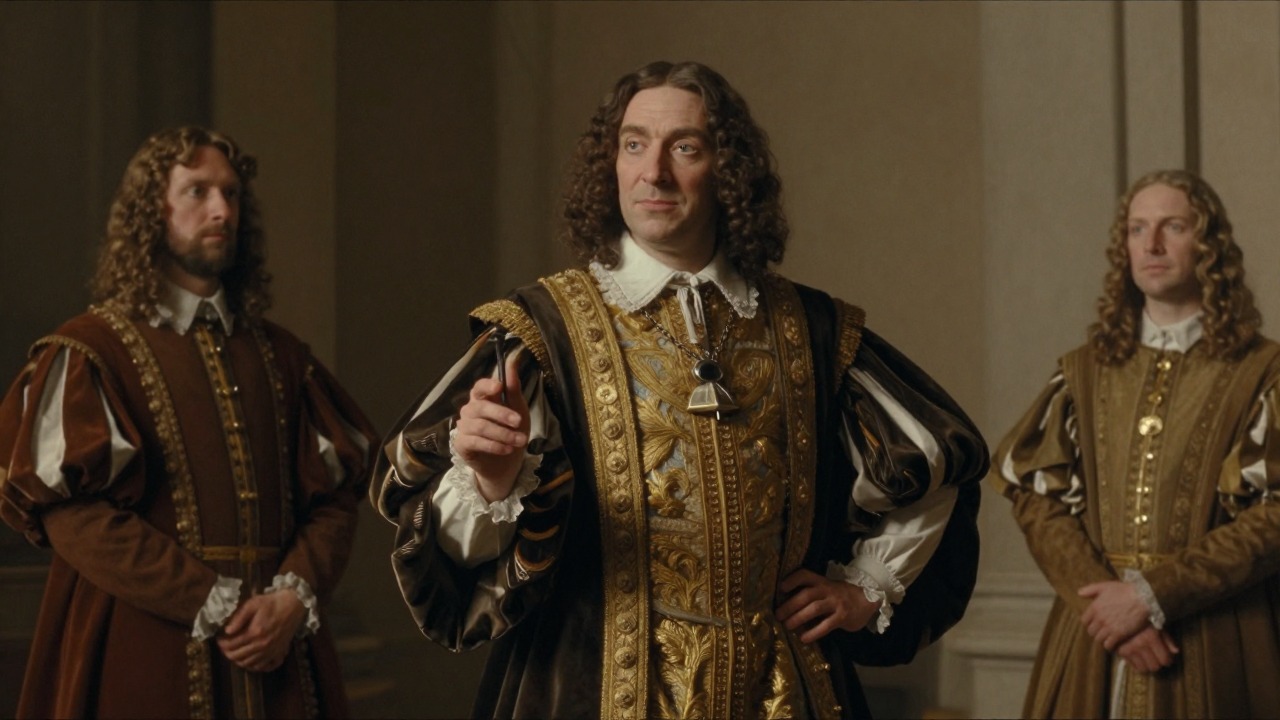
The Majestic Prince
The Personal Description
The emperor is taller than any of his court by almost the breadth of a nail. He has an Austrian lip, an arched nose, olive complexion, erect countenance, and graceful motions. He is twenty-eight years and three-quarters old, and has reigned for about seven years in great felicity.
The Dress
He wears a plain but elegant dress, with a light helmet of gold adorned with jewels. He carries a sword almost three inches long. His voice is shrill but clear. He is the epitome of a Lilliputian monarch.
The Initial Generosity
He orders that Gulliver be fed, provided with a bed, and taught the language. He visits Gulliver frequently and assists in his education. He seems benevolent and curious.
The Emperor's Ambition After the Fleet Capture
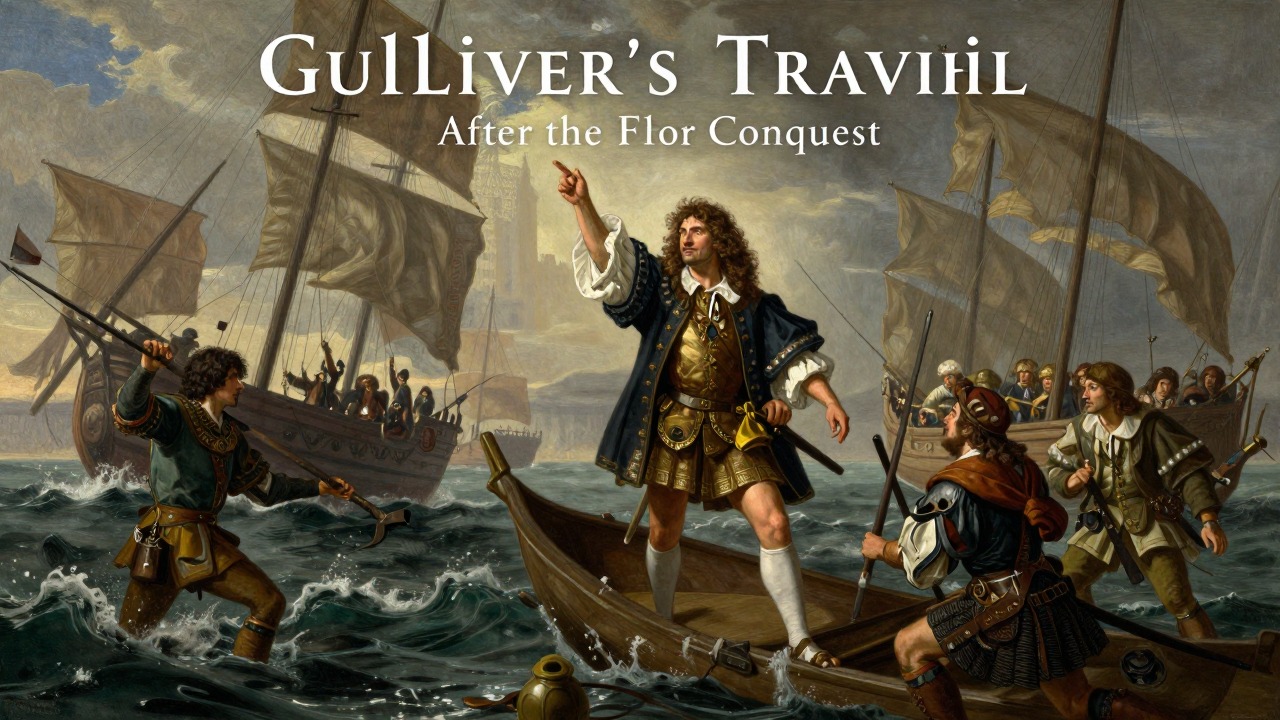
The Dream of Empire
The Desire for Conquest
After Gulliver captures the Blefuscu fleet, the emperor wants to reduce Blefuscu to a province and destroy the Big-endian exiles. He dreams of being the sole monarch of the world. His ambition is boundless.
The Clash with Gulliver
Gulliver's refusal to be an instrument of slavery offends the emperor. He never forgives Gulliver. The emperor's ambition is frustrated, and he becomes resentful.
The Influence of Evil Ministers
The emperor is easily influenced by Flimnap and Bolgolam, who play on his ambition. He allows them to plot against Gulliver. His character shifts from benevolence to vengefulness.
The Emperor's Role in the Conspiracy
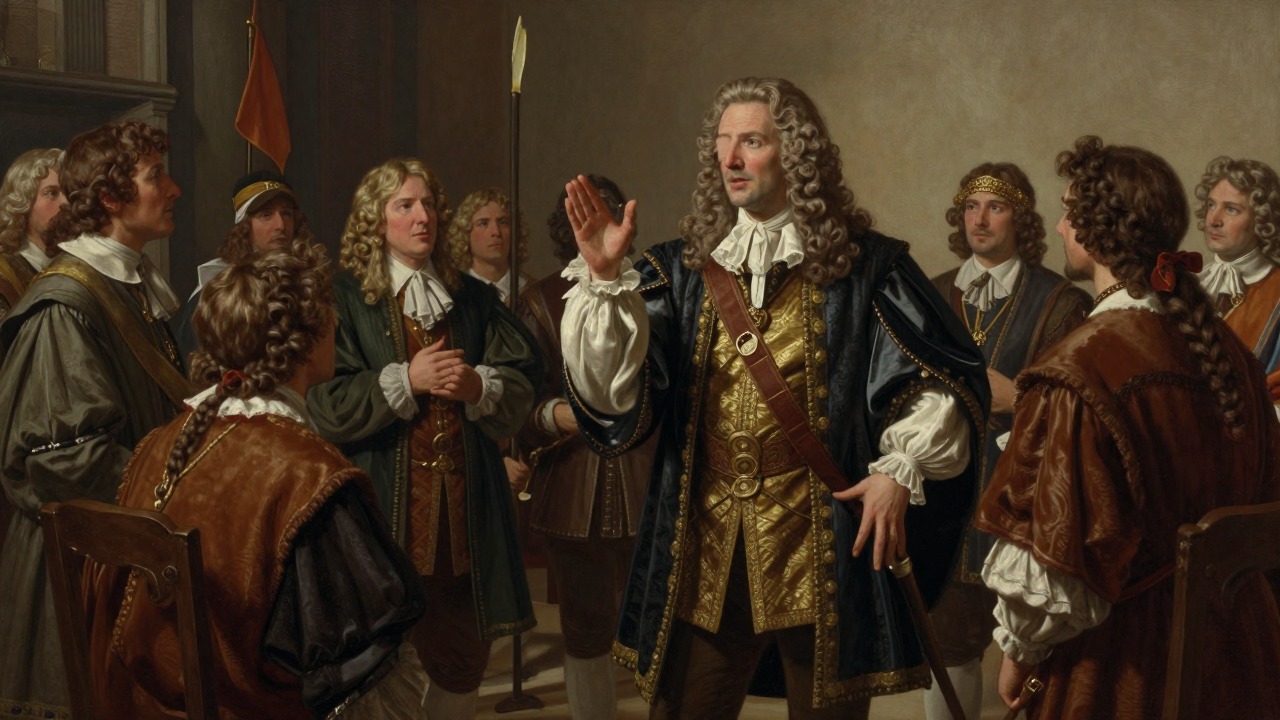
The Lenient Tyrant
The Show of Lenity
When the council debates Gulliver's punishment, the emperor appears merciful. He urges that Gulliver's life be spared. He speaks of his great lenity and tenderness. This is a hypocritical show, as he is willing to have Gulliver blinded and starved.
The Submission to the Council
He allows the council to decide the details. He is not strong enough to oppose the majority. He is a weak ruler, dependent on his ministers.
The Final Decision
He signs the order for the loss of eyes and the gradual starvation. He is complicit in the cruelty. His character is that of a typical European monarch: vain, ambitious, and weak.
The Emperor After Gulliver's Escape
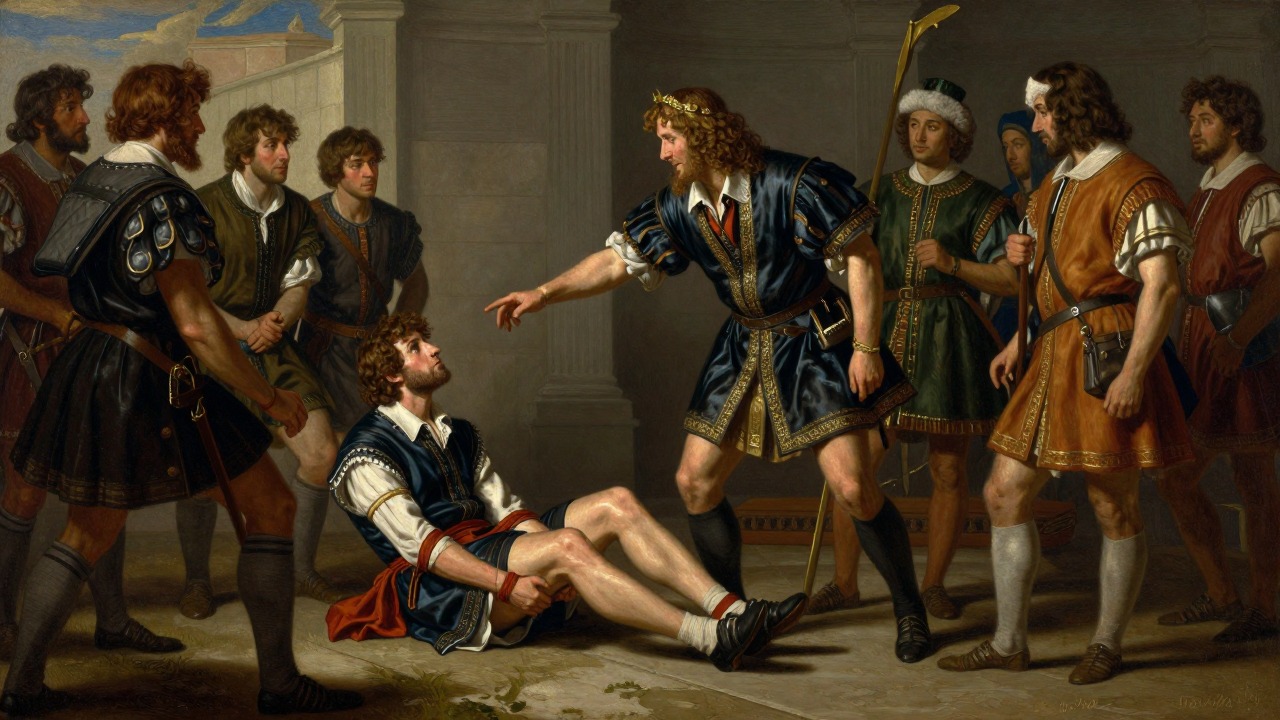
The Unsuccessful Pursuit
The Envoy to Blefuscu
The emperor sends an envoy to demand Gulliver's return, bound hand and foot, for punishment. He claims to be merciful but wants to execute the sentence. The Blefuscu emperor refuses.
The Loss of Prestige
Gulliver's escape is a blow to the emperor's authority. He cannot enforce his will. He is reduced to making demands that are ignored.
The Final Assessment
The emperor is a satirical figure of the absolute monarch. He has the trappings of power but is controlled by his court. His ambition leads to nothing. He remains a petty tyrant in a petty kingdom.
6 November 1699, at the temple
spring 1700
mid-1700
1701, after the escape
