
The Theme of Human Pride and Gulliver's Fall
Gulliver's TravelsGulliver's journey from pride in his own country and abilities to a humbled, critical view of humanity.
increasing Bearing strength in each event
 decreasing
Bearing strength in each eventdecreasingGulliver's Initial Pride in England
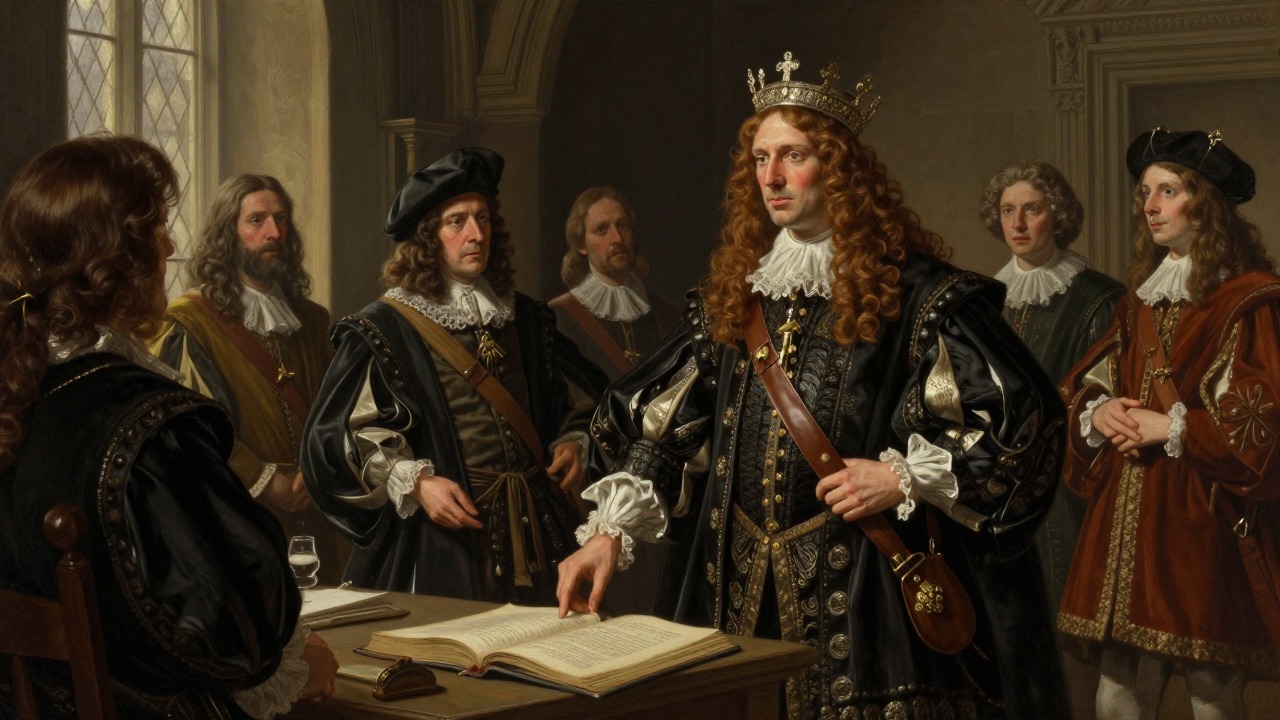
The Patriotic Vanity
The Praise of His Country
When the king asks about Europe, Gulliver launches into a panegyric of England. He describes the parliament, the courts, the army, and the history in glowing terms. He believes his country is the mistress of arts and arms.
The Reaction to the King's Laughter
When the king laughs at the idea of human grandeur being mimicked by insects, Gulliver's color comes and goes with indignation. He is deeply offended. His pride is wounded.
The Blindness to Flaws
Gulliver is so proud that he cannot see the truth of the king's observations. He later admits that he artfully eluded many questions. His pride prevents him from being objective.
The King's Critique and Gulliver's Discomfort
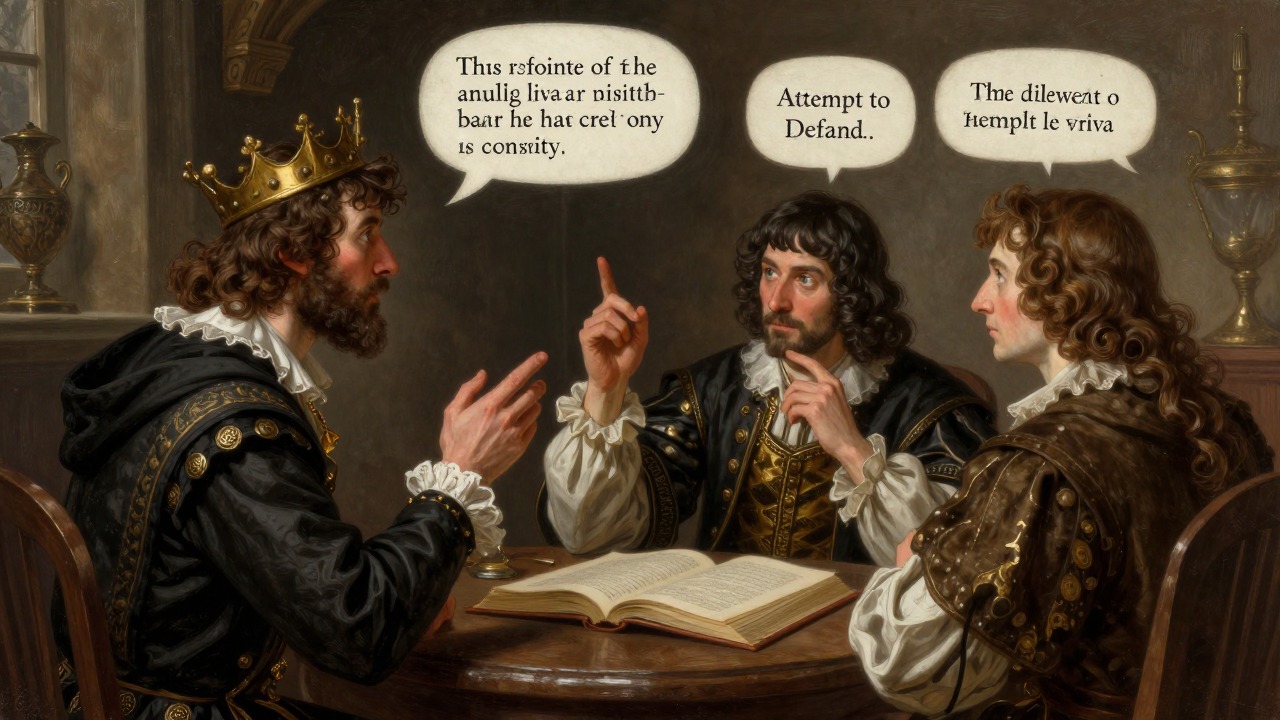
The Unwelcome Truth
The Detailed Interrogation
The king's questions expose the corruption in English politics, law, and society. Gulliver is forced to answer, and his answers reveal the flaws. He is uncomfortable but cannot lie.
The Attempt to Defend
Gulliver tries to put a favorable turn on everything, but the king sees through it. The king's conclusion that the English are odious vermin is a devastating blow to Gulliver's pride.
The Internal Conflict
Gulliver is torn between his love of country and the truth of the king's words. He later reflects that the king's secluded education made him narrow, but he cannot deny the facts. His pride is shaken.
The Gunpowder Episode: A Lesson in Pride
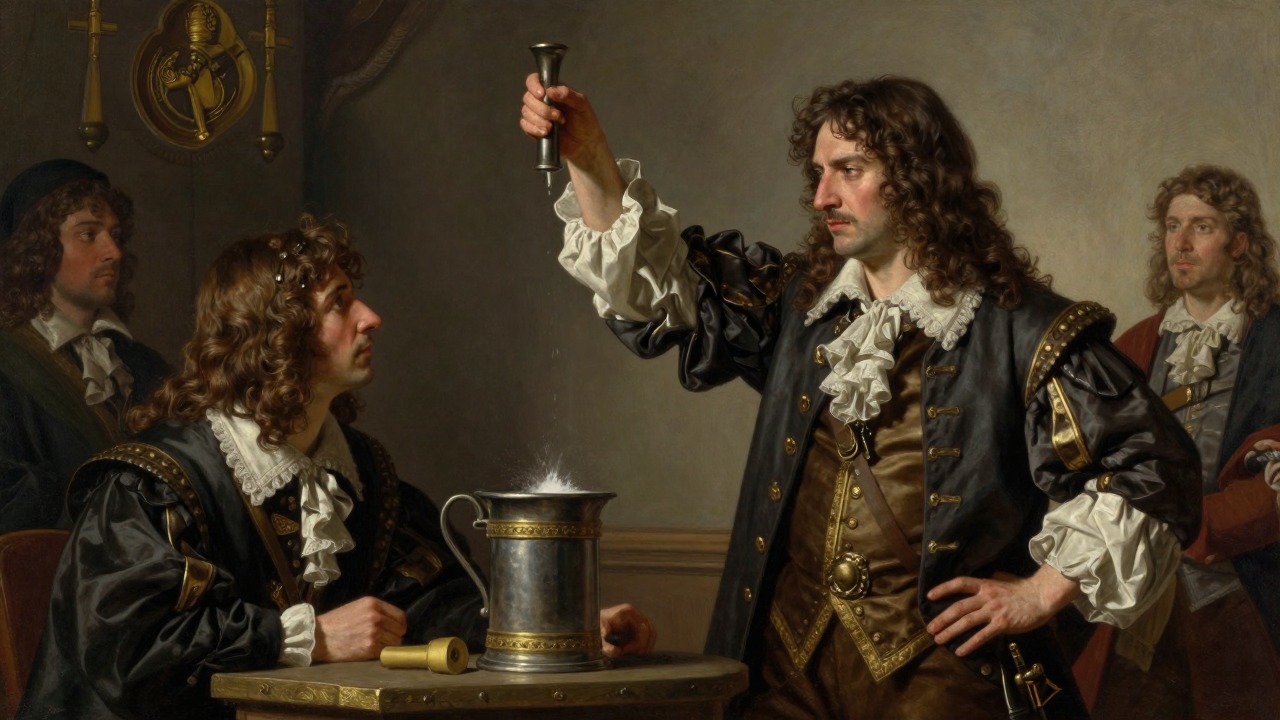
The Misguided Offer
The Assumption of Superiority
Gulliver believes that offering the secret of gunpowder will win him the king's favor. He assumes that the king will be grateful for the power to dominate his subjects. This reflects his own acceptance of European values.
The Rejection as Humiliation
The king's horror and rejection of the offer is a profound rebuke. Gulliver is called an impotent, grovelling insect. His pride is shattered. He realizes that his values are not universal.
The Reflection on European Morality
Gulliver does not fully understand the king's moral stance. He dismisses it as narrow principles. The reader, however, sees that the king's rejection is a sign of a higher morality. Gulliver's pride is a barrier to his understanding.
The Return to England: The Final Humiliation
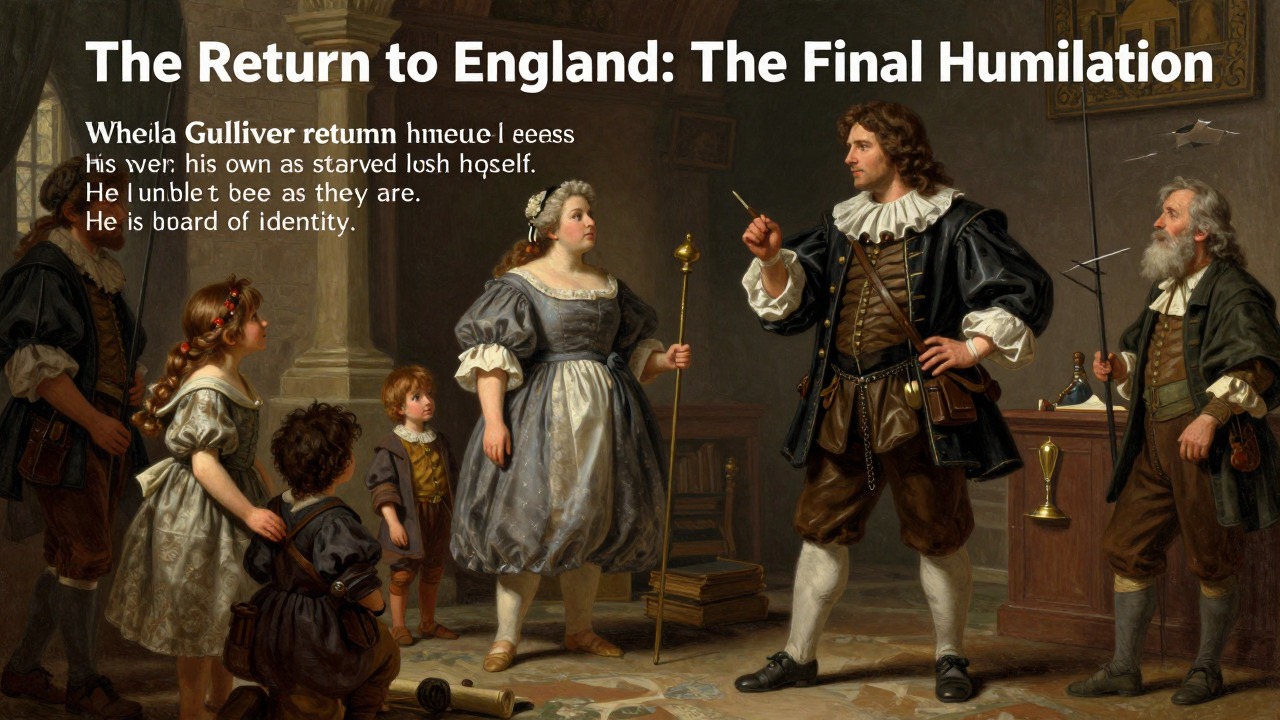
The Alienation from His Own Kind
The Disorientation
When Gulliver returns home, he sees his own family as pygmies. He believes his wife has starved herself. He is unable to see things as they are. His pride in his own size has been replaced by a distorted perspective.
The Loss of Identity
Gulliver no longer belongs anywhere. He has been a giant and a dwarf, and now he is unsure of his own stature. His pride in being English has been destroyed by the king's words.
The Seeds of Misanthropy
This experience prepares him for the later voyages, where he will become a misanthrope. The theme of pride runs through the book: human pride is shown to be absurd and unfounded.
early in Brobdingnag, 1703-1704
1704-1705, during the audiences
late 1705
June 1706
