
The Theme of Size and Power in the Two Kingdoms
Gulliver's TravelsHow physical size relates to political and moral power, and how the two kingdoms invert the relationship between might and right.
increasing Bearing strength in each event
 decreasing
Bearing strength in each eventdecreasingGulliver's Power Over Lilliput
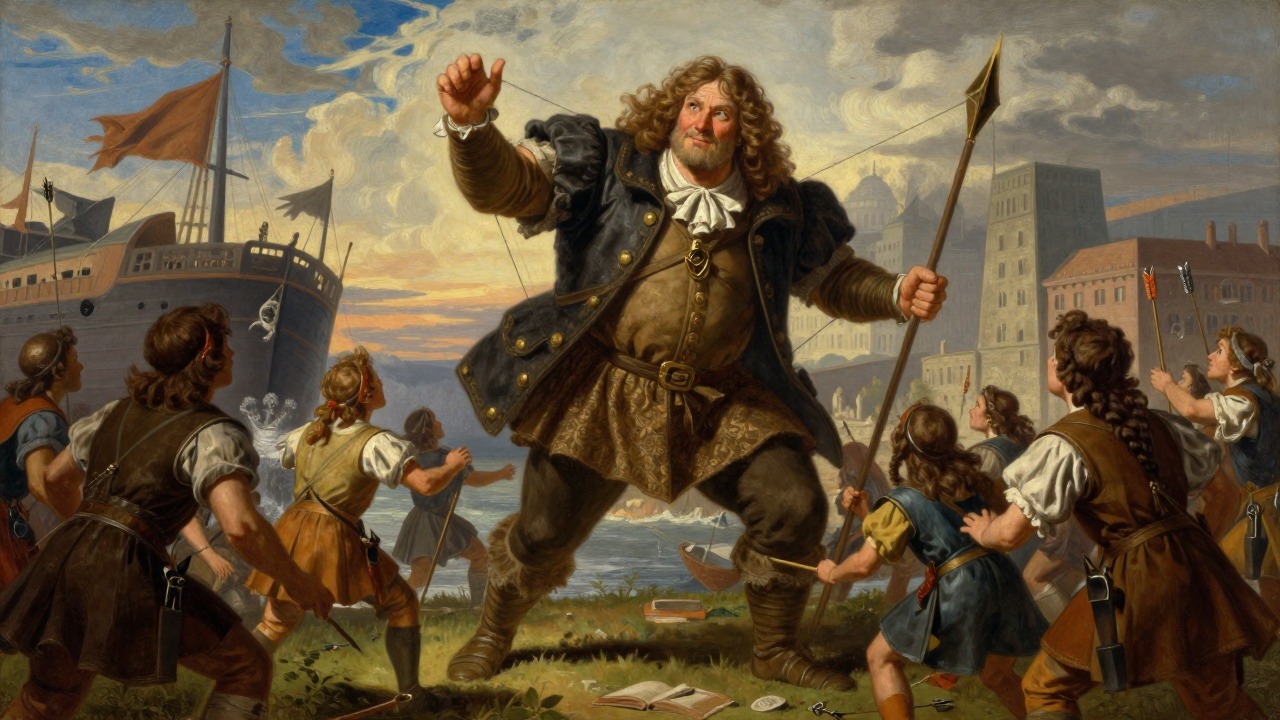
The Physical Might
The Giant's Strength
Gulliver's size gives him immense power over the Lilliputians. He can pull their ships, carry them, and destroy their city. He is a one-man army.
The Limits of Power
Despite his physical power, he is constrained by their laws, arrows, and political machinations. He cannot use his strength to defy the emperor because of his oath and sense of honor. Power is not absolute.
The Moral Lesson
Swift shows that physical power does not guarantee moral superiority. The Lilliputians are small but cunning. Gulliver's strength is neutralized by their intellect and organization.
Gulliver's Powerlessness in Brobdingnag
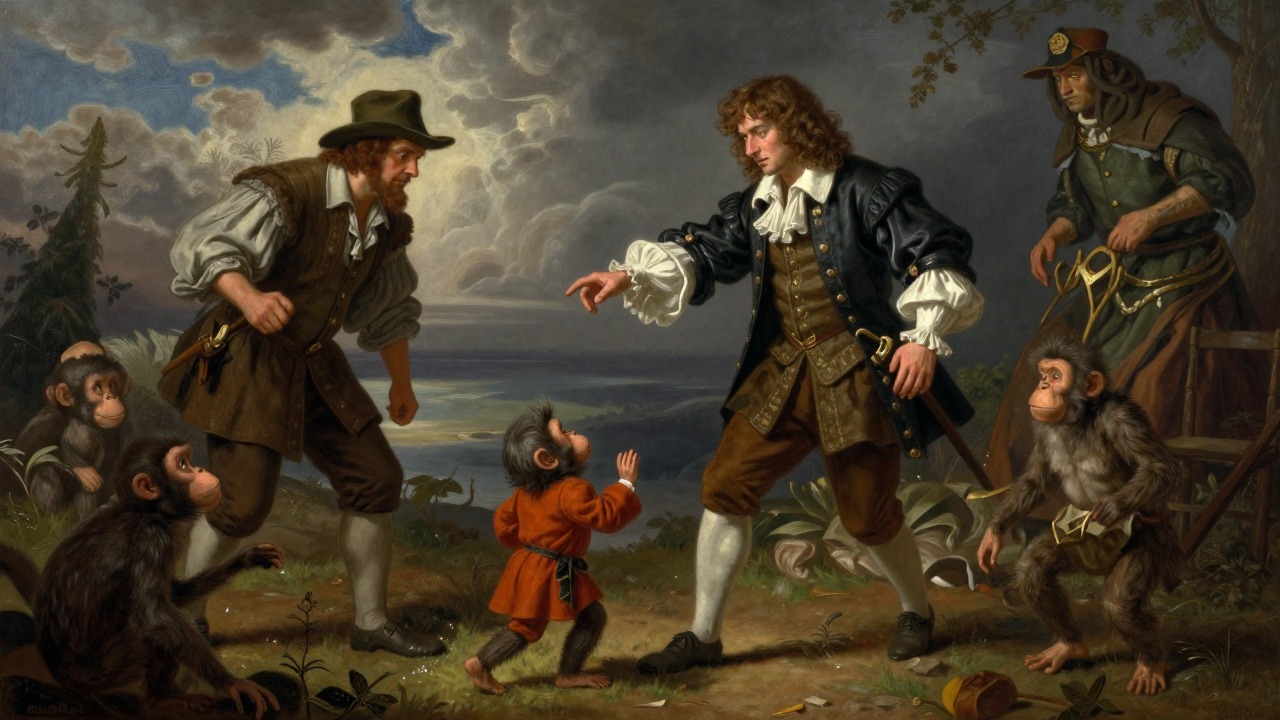
The Dwarf's Weakness
The Physical Vulnerability
In Brobdingnag, Gulliver is powerless. He is at the mercy of the farmer, the queen, animals, and even the weather. He cannot defend himself against the monkey or the dwarf.
The Intellectual Power
Despite his physical weakness, Gulliver has intellectual power. He can converse with the king and teach him about Europe. He can also use his technical skills to build a comb, a boat, and a purse. His mind is his only weapon.
The Inversion
In Lilliput, the small are politically powerful; in Brobdingnag, the large are morally superior. The king's wisdom outweighs his size. The theme of size and power is used to explore the limits of both.
The Return to England: The Final Perspective
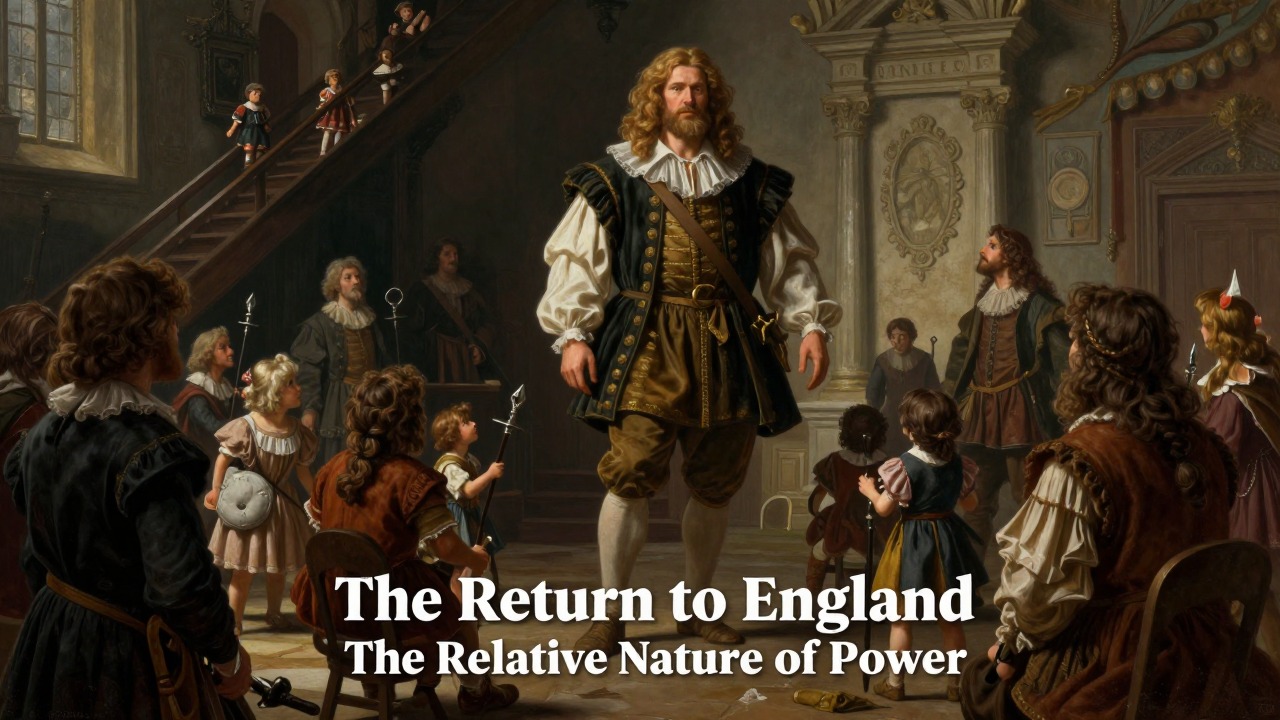
The Relative Nature of Power
The Lost Perspective
When Gulliver returns, he sees his own people as pygmies. He feels like a giant. But he knows that he is not. His perception is distorted by his experiences.
The Lesson Learned
Gulliver has learned that power is relative. He was a giant in Lilliput and a dwarf in Brobdingnag. In England, he is normal, but he can no longer see it. The theme is driven home.
The Satirical Point
Swift uses size as a metaphor for importance. The reader is meant to see that human concerns are often petty and relative. The book's central theme is that nothing is great or little but by comparison.
1699-1701, in Lilliput
1703-1706, in Brobdingnag
June 1706, after return
