
Faith vs. Persecution
Silence (Library Edition)The central conflict between the Christian faith and the Tokugawa state's persecution.
increasing Bearing strength in each event
 decreasing
Bearing strength in each eventdecreasingEarly Tolerance and Growth
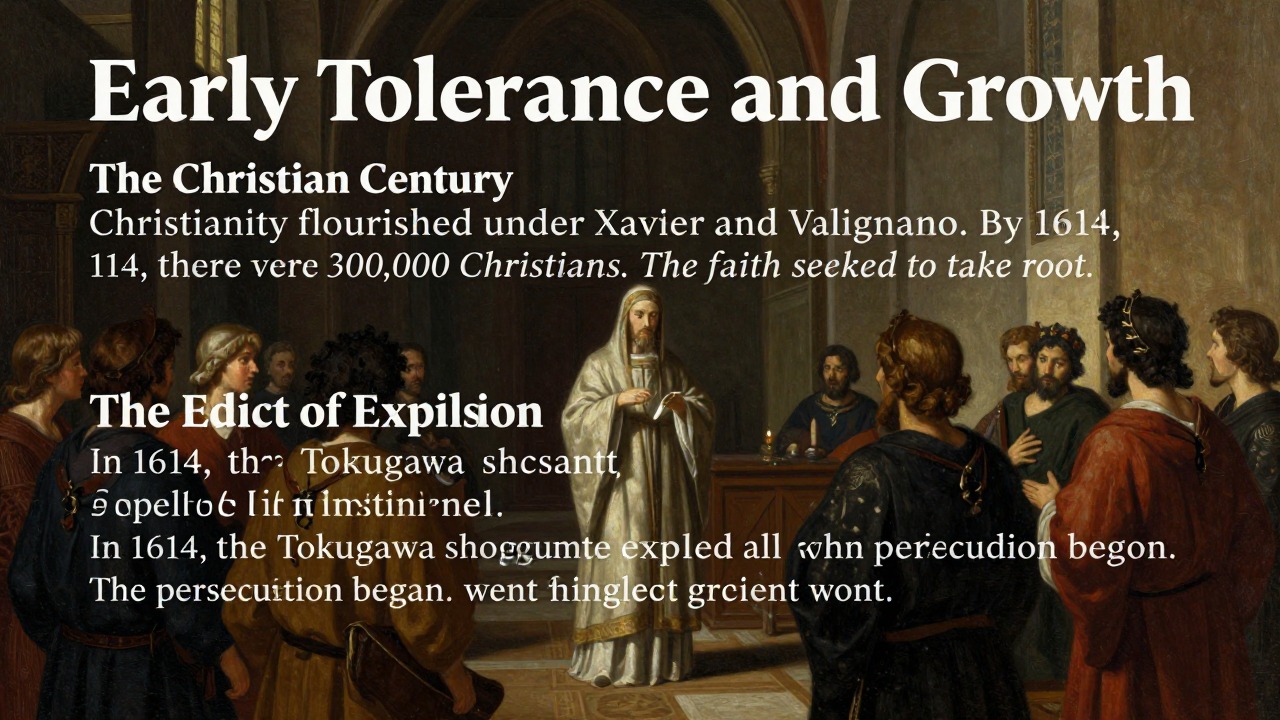
Early Tolerance and Growth
The Christian Century
Christianity flourished under Xavier and Valignano. By 1614, there were 300,000 Christians. The faith seemed to take root.
The Edict of Expulsion
In 1614, the Tokugawa shogunate expelled all missionaries. The persecution began. The Church went underground.
Significance
Systematic Destruction
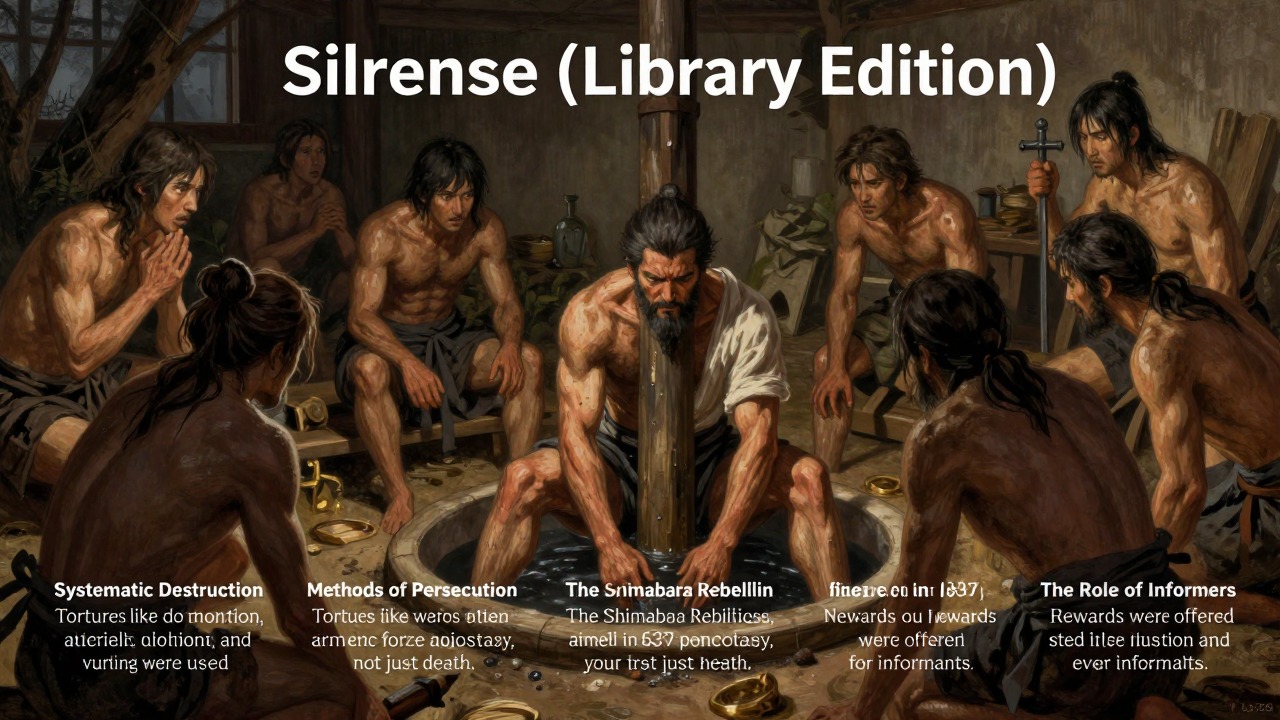
Systematic Destruction
Methods of Persecution
Tortures like the pit, water punishment, and burning were used. The authorities aimed to force apostasy, not just death. The Shimabara Rebellion in 1637 led to even harsher measures.
The Role of Informers
Rewards were offered for informants. Neighbors were encouraged to watch each other. The Christian community was torn apart.
Significance
The Last Priest
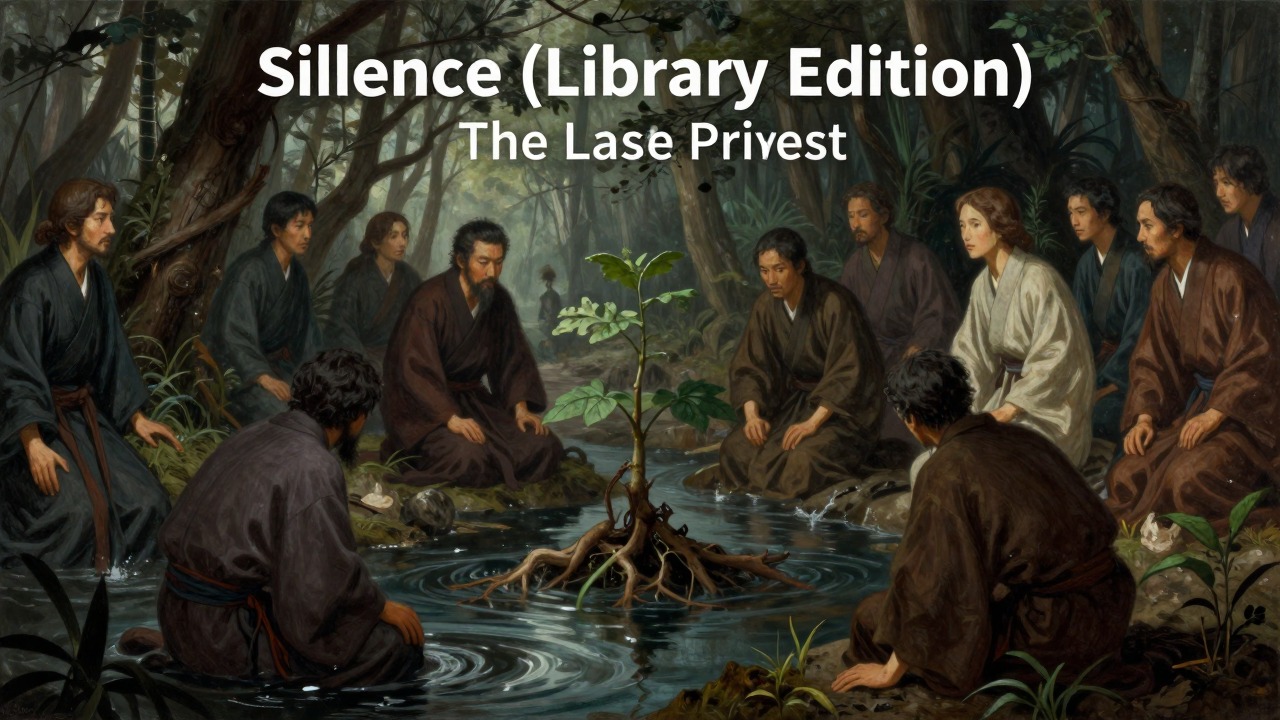
The Last Priest
End of the Mission
With Rodrigues' apostasy, no priests remained in Japan. The organized Church was destroyed. The crypto-Christians survived in secret.
The Swamp Prevails
Inoue's argument that Japan was a swamp seemed confirmed. The sapling of Christianity had withered.
Significance
1549-1614
1614-1638
After Rodrigues' apostasy, 1638
