Francisco Garrpe
Francisco Garrpe is a Portuguese Jesuit missionary who, together with his close friend Sebastian Rodrigues, undertakes a perilous journey to Japan in 1638 to investigate the rumored apostasy of their former teacher Christovao Ferreira and to minister to the persecuted Christian community. Throughout the novel, Garrpe functions as a figure of unwavering courage, practical humor, and self-sacrificing love, his fate standing in stark contrast to the spiritual crisis that ultimately engulfs Rodrigues.
Identity and Background
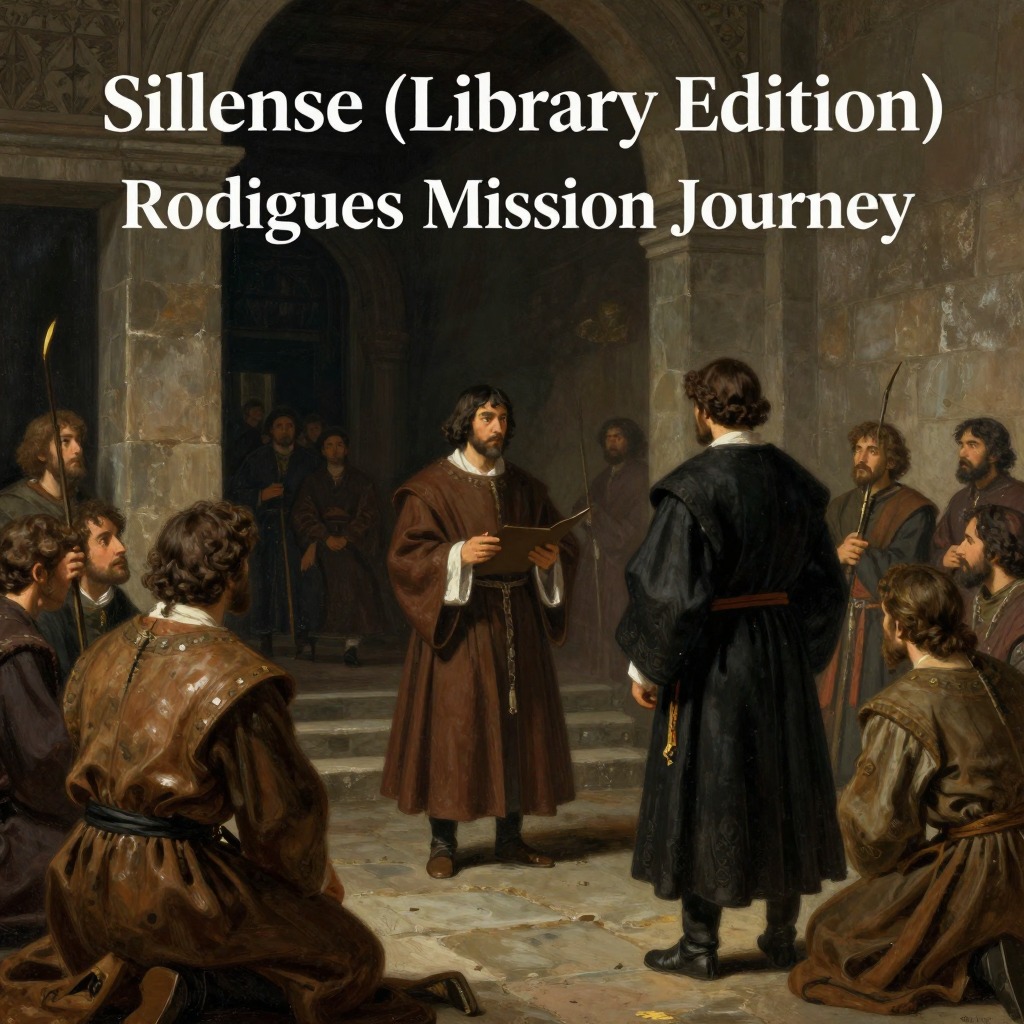
Garrpe, along with Rodrigues and Juan de Santa Marta, studied under Ferreira at the ancient monastery of Campolide in Portugal. The three young priests found it impossible to believe that their admired teacher, faced with the possibility of a glorious martyrdom, had groveled like a dog before the infidel, and they spoke for the clergy of Portugal in their determination to go to Japan and investigate the matter with their own eyes. Garrpe is characterized by a robust, good-natured spirit; even during the grueling sea voyage around Africa, when Santa Marta fell ill with malaria, Garrpe sought to console him with the promise that he and Rodrigues would prepare the way. His faith is expressed through action and humor rather than anguished introspection.
Life and Plot Trajectory
After arriving in Japan, Garrpe and Rodrigues hide in a charcoal hut on a mountain above the fishing village of Tomogi, ministering secretly to the local Christians. Garrpe's optimism and humor serve as a vital counterbalance to the tension of their hidden life; he calls their cramped hut "the monastery" and jokes about the lack of wine and meat, striving to keep up their spirits. When the authorities begin to close in, Garrpe and Rodrigues decide to separate to preserve at least one priest for the mission. Garrpe departs by boat for Hirado, while Rodrigues heads for the Goto Islands. This parting marks the last time the two friends see each other alive.
Key Actions and Objectives
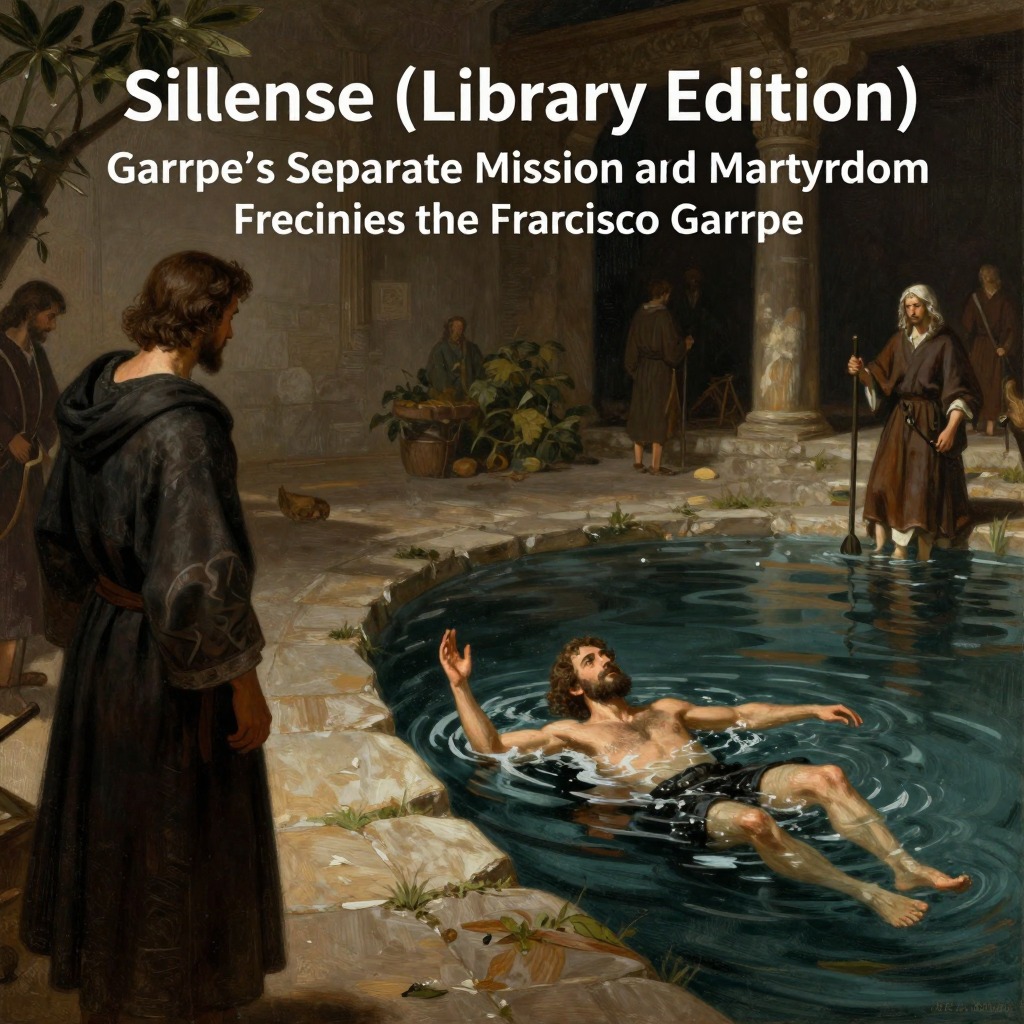
Garrpe's primary objective is to sustain the Christian community in Japan and to learn the truth about Ferreira. He is a man of decisive action. When the officials at Tomogi take hostages, Garrpe immediately proposes that he and Rodrigues flee to another location to prevent further suffering. Later, after his own capture, Garrpe is brought to a beach near Nagasaki where three Christian prisoners—including Monica, the woman who had given Rodrigues a cucumber—are wrapped in straw mats and about to be drowned in the bay. The officials offer to spare the Christians if Garrpe will apostatize. In response, Garrpe rushes forward, plunges into the sea, and swims toward the boat, shouting "Lord, hear our prayer!" He is mocked by the officials, who push the bound Christians into the water one by one with their lances. Garrpe's head floats on the water like a piece of wood from a shipwrecked boat before he, too, sinks beneath the waves.
Relationships and Conflict
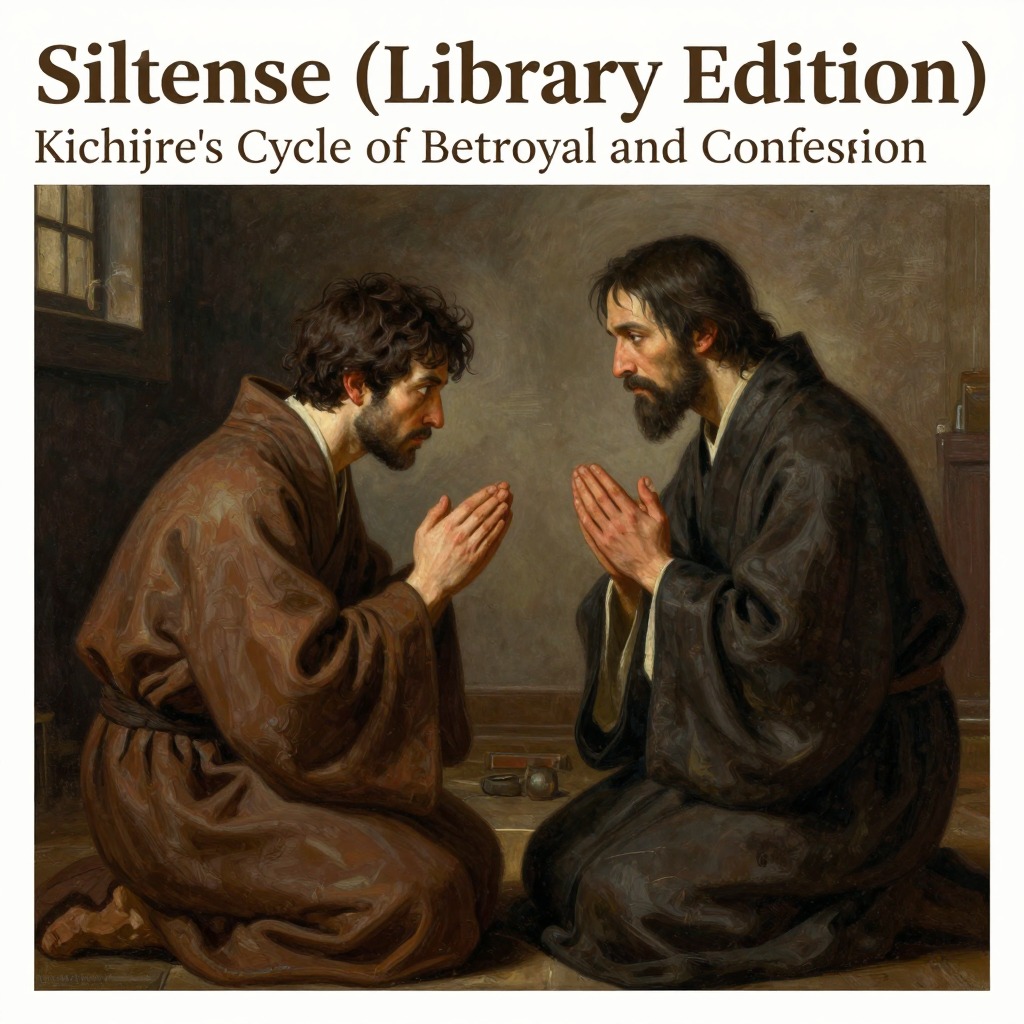
Garrpe's relationship with Rodrigues is one of deep mutual reliance, but it is also marked by a subtle divergence in temperament. Garrpe is the more practically courageous of the two; when Rodrigues, in a moment of weakness, tells the hostages Mokichi and Ichizo to trample on the fumie, Garrpe looks at him reproachfully. Garrpe also displays a sharper, more skeptical edge toward Kichijiro, the weak and treacherous Japanese Christian who serves as their guide. On the voyage to Japan, Garrpe is the one who persistently questions Kichijiro about his faith, and he later dismisses Rodrigues's suggestion that Kichijiro might be sent to Nagasaki to gather information about Ferreira as "crazy," declaring that the man cannot be trusted an inch. Garrpe's conflict is not with God's silence but with the immediate, physical threat to the Christians; his response is not theological debate but sacrificial action.
Change and Ending
Garrpe undergoes no dramatic spiritual reversal; his trajectory is one of consistent, escalating sacrifice. From the hopeful missionary who jokes about lice and sunbaths in the Tomogi mountains, he becomes the captured priest who, when faced with the ultimate test, chooses to give his life in a futile but profoundly loving attempt to save others. His death is witnessed by Rodrigues from a distance, and the image of Garrpe's black head sinking into the sea haunts Rodrigues throughout his subsequent imprisonment and apostasy. Rodrigues envies Garrpe, who was freed from anguish by his death, and the memory of Garrpe's drowning becomes a central element in Rodrigues's own spiritual crisis.
Narrative Role and Evaluation
Garrpe serves as a foil to Rodrigues, embodying a form of faith that is active, unreflective, and utterly self-giving. His martyrdom is not a glorious, trumpet-filled affair but a desperate, messy, and seemingly futile act—a man swimming after a boat, shouting prayers, and being drowned. This mirrors the novel's broader critique of idealized martyrdom. Garrpe's fate also directly precipitates Rodrigues's final crisis: the interpreter who witnesses Garrpe's death taunts Rodrigues, calling him "the most weak-willed" and unworthy of the name "father," a judgment that cuts deeply. In the novel's symbolic economy, Garrpe represents the love that acts without calculating the cost, a love that Rodrigues, in his intellectual and spiritual torment, initially cannot emulate but which ultimately informs his own agonized decision to trample on the fumie for the sake of the suffering peasants.