Ichizo
Ichizo is a Japanese Christian peasant from the fishing village of Tomogi, near Nagasaki, whose life and death embody the quiet, unglamorous suffering that defines the novel's central crisis of faith. A man of about fifty, he is introduced as extraordinarily curious, scrutinizing every movement of the priests Sebastian Rodrigues and Francisco Garrpe with narrow, wrinkled eyes, yet he wears an expression that makes him seem perpetually angry—a mask that, like the faces of the other hidden Christians, has been shaped by long years of secrecy and persecution. He is the elder brother of Omatsu, a widow who, along with her niece Sen, brings food to the priests in their mountain hiding place. Ichizo's significance lies not in words or dramatic gestures but in a series of quiet, decisive actions that culminate in a martyrdom that Rodrigues finds unbearably inglorious and silent.
Identity and Background
Ichizo is a poor farmer in Tomogi, a village of about two hundred households where the majority have received baptism. Like his fellow villagers, he ekes out a living cultivating potatoes and wheat in tiny fields, paying an exceedingly harsh revenue to the magistrate of Nagasaki. The novel emphasizes that these peasants have worked like horses and cattle and died like them, and that Christianity penetrated this territory because it offered them a human warmth they had never known. Ichizo's face is expressionless, like a puppet—not from lack of feeling, but because the long years of secrecy have made the faces of these Christians like masks, unable to register sorrow or joy. This is a bitter reality that Rodrigues struggles to understand, asking why God has given such a burden to his followers.
Arc Through the Plot
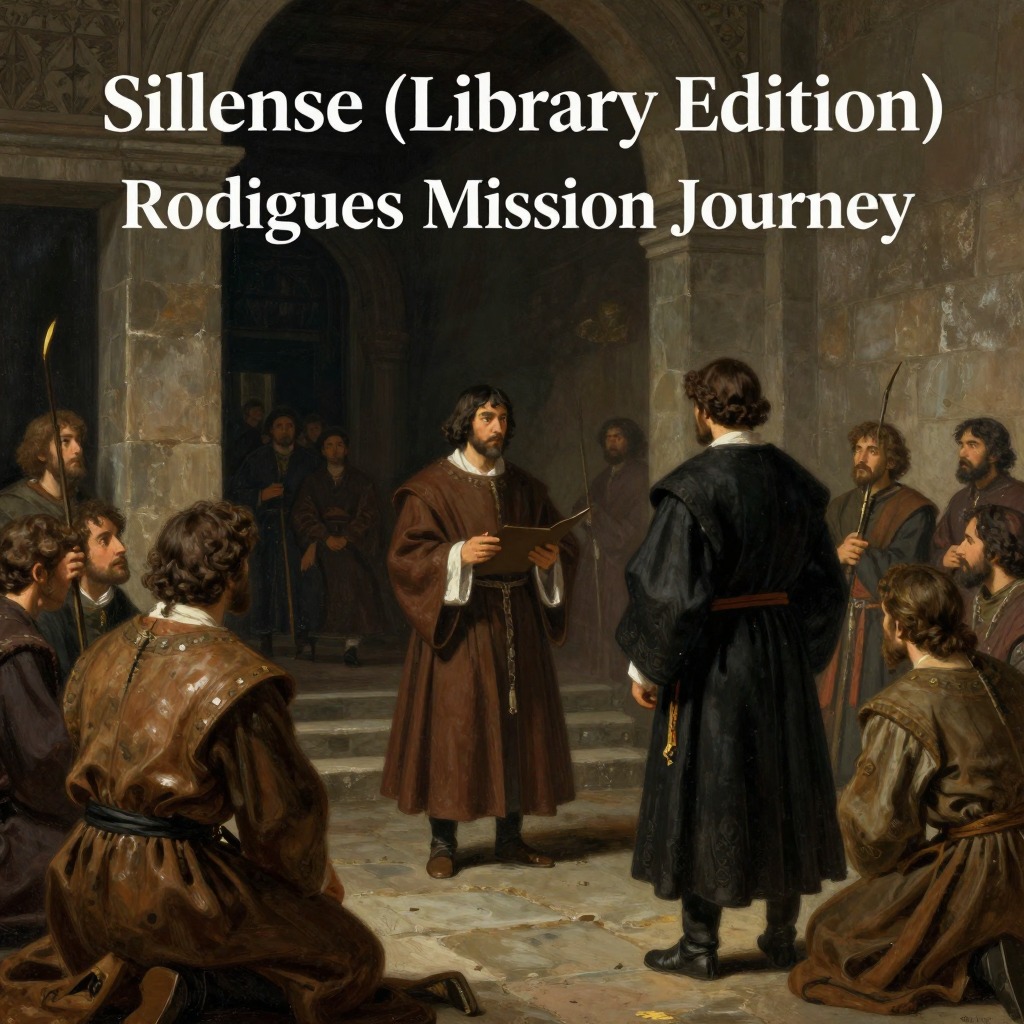
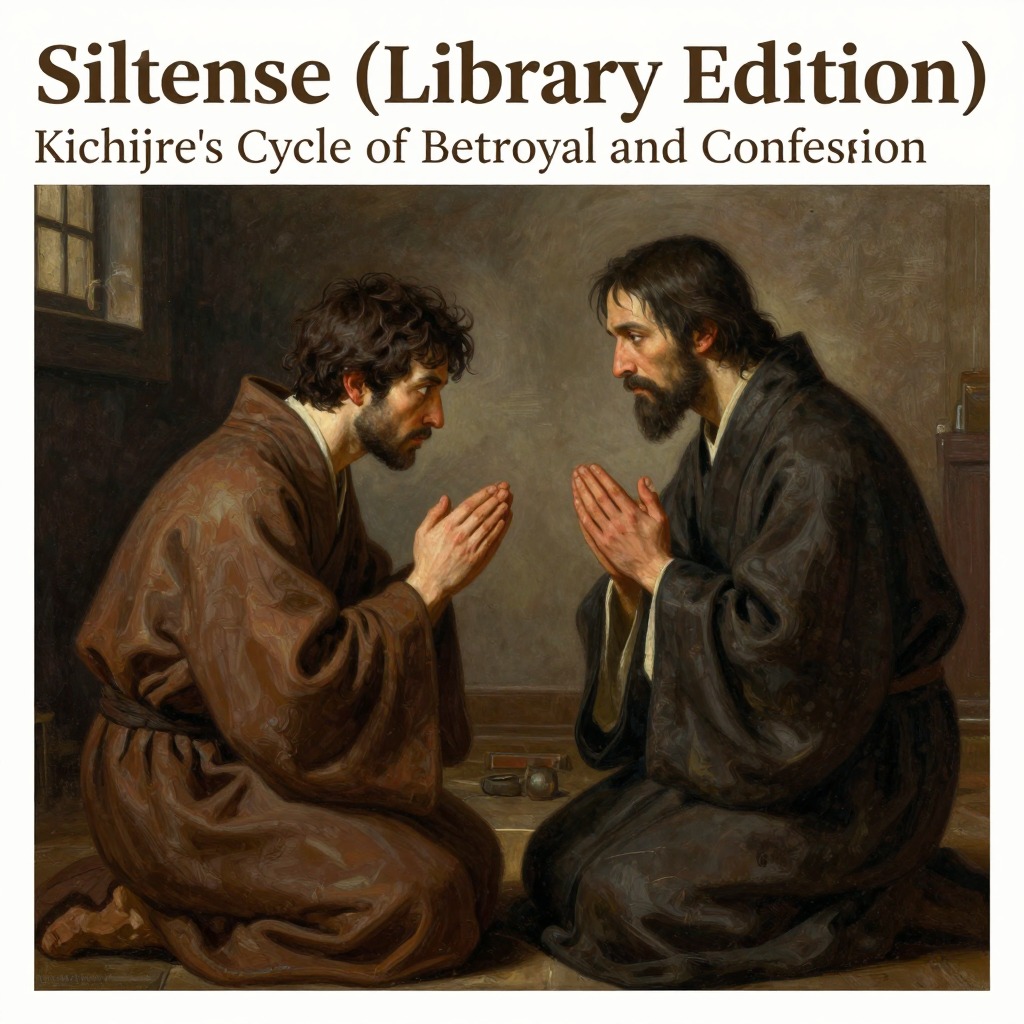
Ichizo first appears as one of the villagers who secretly visits the priests' charcoal hut on Tomogi Mountain. He is the one who, after two men are spotted watching from a hill, takes immediate action: he tears up the floorboards of the hut and digs a hiding hole beneath it, preparing an emergency refuge for Rodrigues and Garrpe. When the officials descend on Tomogi and demand hostages, the villagers debate fiercely who should go. The cowardly Kichijiro is pressured into accepting, but then Ichizo suddenly speaks up: "Let me go too." Everyone gasps in amazement at this silent, stubborn man volunteering. Mokichi immediately joins him. At the magistrate's office in Sakuradai, when ordered to trample the fumie, Ichizo follows Rodrigues' advice and places his foot on the image of the Virgin and Child. But the officials notice the heavy, nervous breathing on their faces and are not deceived. When ordered to spit on the crucifix and declare the Blessed Virgin a whore, Ichizo grasps the fumie in both hands and tries to obey, but he is powerless—he cannot do it. A white tear overflows from Mokichi's eye, and Ichizo shakes his head as though caught in the throes of pain. Both confess openly that they are Christians. Only Kichijiro, overcome by threats, gasps out the required blasphemy.
Martyrdom and Death
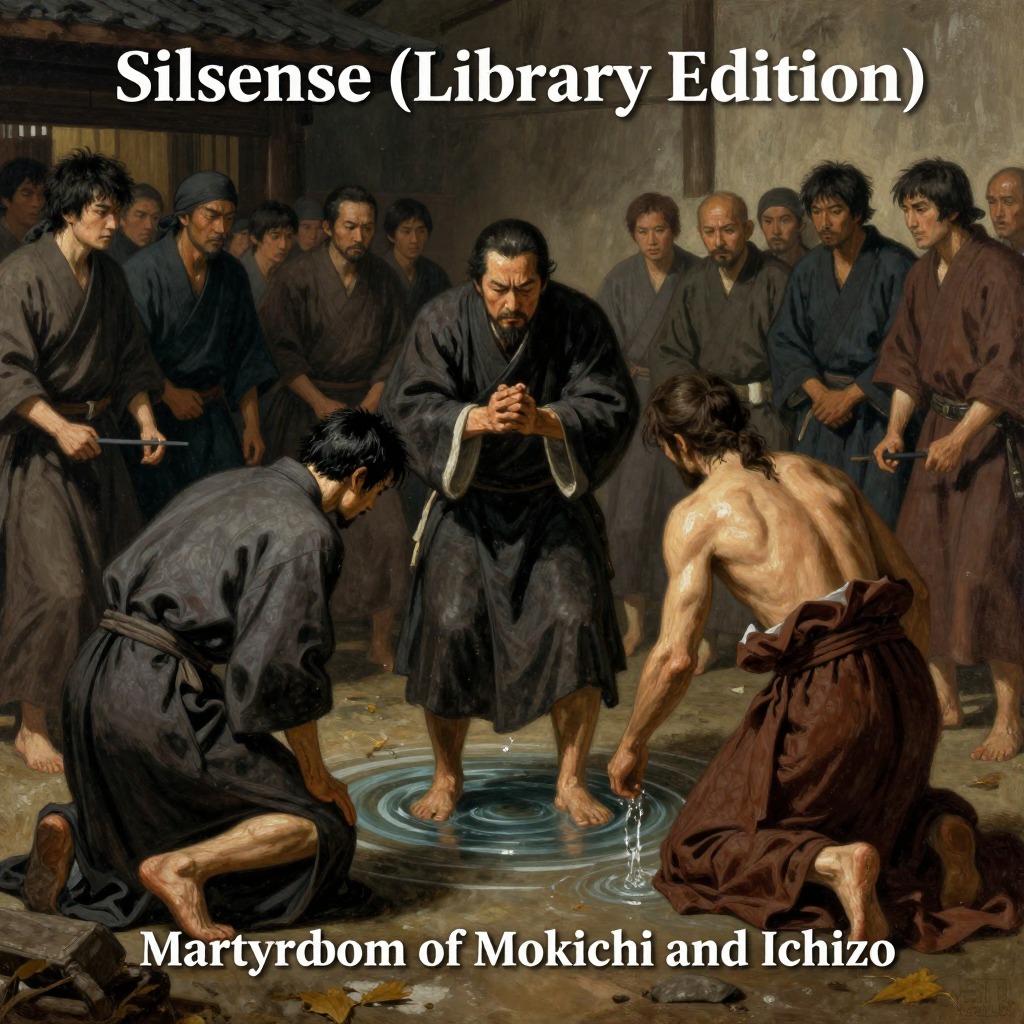
On June 22nd, Ichizo and Mokichi are brought to the beach of Tomogi for the water punishment. Two trees made into the form of a cross are set at the water's edge, and the men are fastened to them. When the tide comes in, their bodies are immersed up to the chin; they will not die at once but after two or even three days of utter physical and mental exhaustion. The authorities intend this prolonged suffering as a spectacle to deter other peasants. Omatsu and her niece approach in a small boat, bringing food. She calls out to Ichizo, but the aged man can make no answer—only occasional slight movements of his head show he is still alive. Mokichi refuses food, wanting to escape the torment quickly, and tells Omatsu to give it to Ichizo instead. On the second day, June 24th, the drizzle continues. When the tide recedes, only the solitary stakes remain in the distance, and it is impossible to distinguish between the stakes and the men. Ichizo and Mokichi have adhered to the stakes in such a way that they become part of them. The only indication of life is the dark moaning of Mokichi's voice. The moaning sometimes ceases; Mokichi has not even the strength to sing the hymn he sang the previous night. The white foaming waves swirl past the stakes, and then all is over. The officials burn the bodies to prevent the Christians from bringing home the remains for veneration, then throw the ashes into the sea.
Thematic Significance
Ichizo's martyrdom is the event that crystallizes Rodrigues' crisis of faith. Rodrigues had long read about martyrdom in the lives of the saints—souls going home to Heaven, glory in Paradise, angels blowing trumpets. But the martyrdom of Ichizo and Mokichi is no such glorious thing. The rain falls unceasingly on the sea, and the sea that kills them surges on uncannily in silence. Rodrigues cannot bear the monotonous sound of the dark sea gnawing at the shore. Behind the depressing silence of the sea, he feels the silence of God—the feeling that while men raise their voices in anguish, God remains with folded arms, silent. This silence becomes the central theological problem of the novel, and Ichizo's quiet, unglamorous death is its most powerful embodiment. The memory of the rain-drenched sea with the two black stakes floating on its surface haunts Rodrigues throughout his imprisonment and is directly invoked during his final confrontation with the apostate Ferreira, who argues that Christianity cannot take root in Japan. Ichizo represents the strong shoot that endures, in contrast to the weak shoot of Kichijiro, and his death becomes a stone that Rodrigues believes will be the foundation of the Church—yet the grief and the silence remain.