Saishoji
Saishoji is a Buddhist temple in Nagasaki that becomes the residence of the apostate missionary Christovao Ferreira after his defection from the Christian faith. It is the setting for the novel's most pivotal encounter, the meeting between Ferreira and the newly captured Sebastian Rodrigues, and functions as a charged space where the themes of apostasy, cultural assimilation, and the silence of God are brought to their most intense expression.
Location and Description
Saishoji is located in the Teramachi district of Nagasaki, an area known for its concentration of Buddhist temples. The temple compound is described as having a two-storied gate, a small temple building bathed in the evening sun, and brown mountains and cliffs stretching out behind. Within the compound, two or three cocks strut arrogantly around, and the air carries the smell of incense and Japanese food, mingled with an alien scent of meat that Rodrigues, long deprived of it, immediately detects. The interior features a lengthy corridor, and the room where the meeting occurs is lit by the setting sun, with a veranda where chickens flutter. The atmosphere is one of quiet, hostile routine: a young bonze appears, looks at Rodrigues with eyes flashing hostility, and disappears without a word of greeting.
Ferreira's Residence and Role
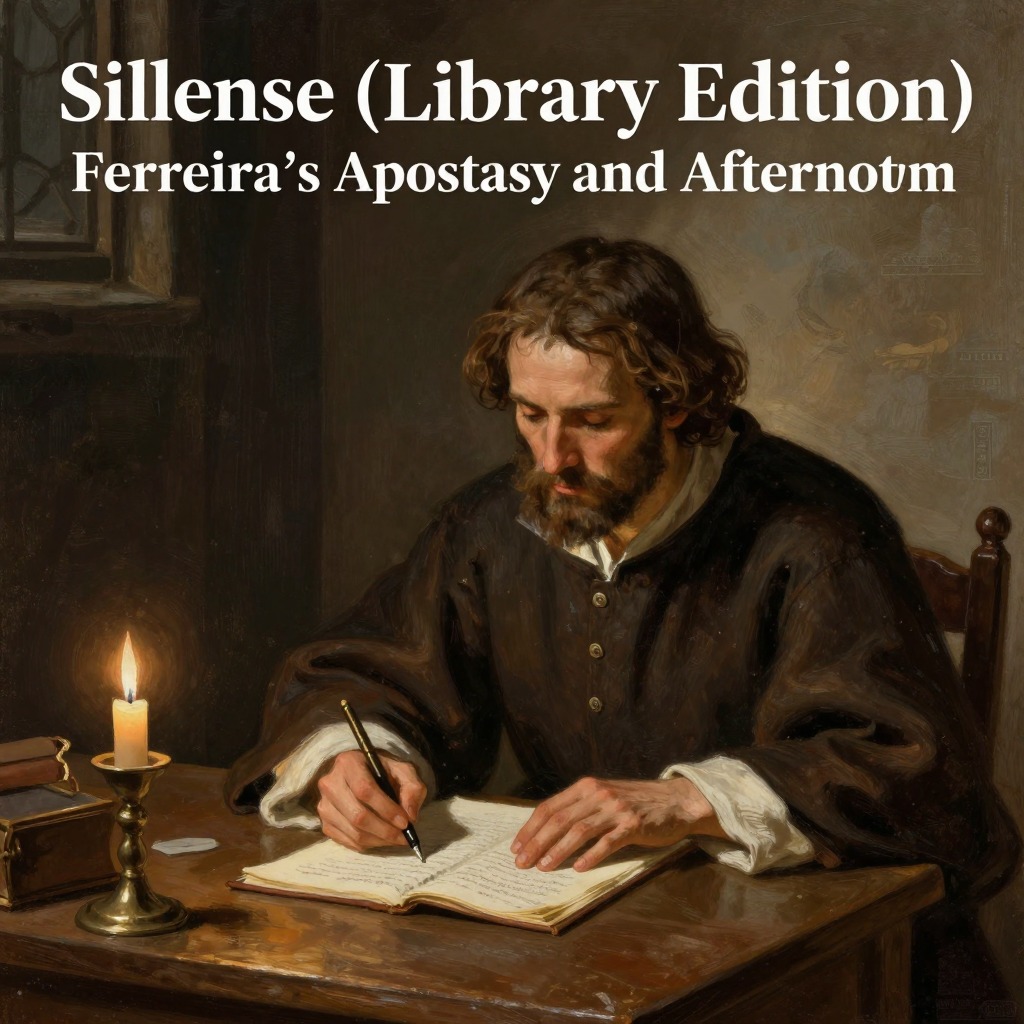
At Saishoji, Ferreira lives under the Japanese name Sawano Chuan, having adopted the clothing, hairstyle, and customs of his captors. He wears a black kimono, has shaved off his beard, and binds his chestnut hair in Japanese style. The interpreter reveals that Ferreira spends his days at the magistrate's order translating a book on astronomy, and that he is also writing a work called Gengiroku, a book intended to refute the teaching of Deus and show the errors of Christianity. The magistrate Inoue praises this manuscript. Ferreira's life at Saishoji is one of enforced collaboration: he is useful to the Japanese authorities, but the priestly identity he once embodied has been replaced by a servile existence. The scar behind his ear, a brown mark like that left by a burn, testifies to the pit torture that broke him.
The Meeting of Rodrigues and Ferreira
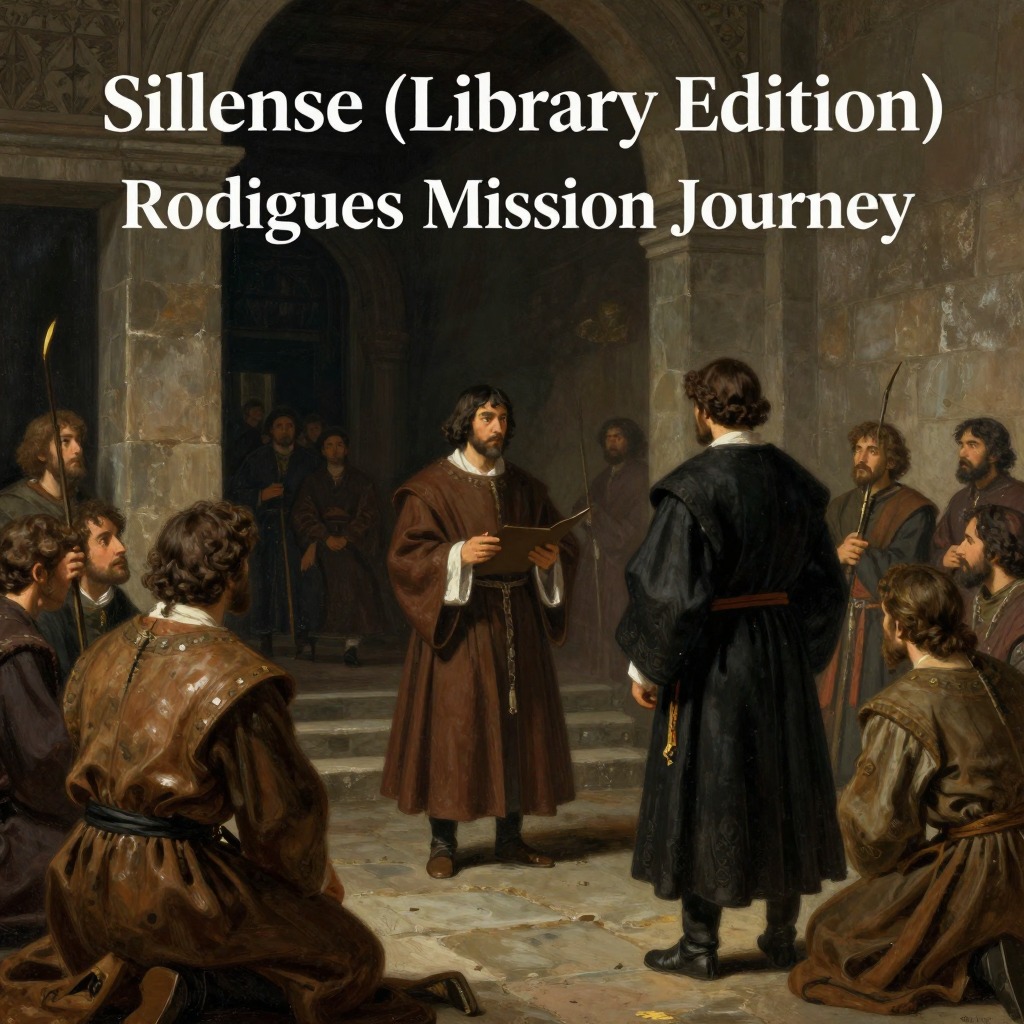
The meeting at Saishoji is arranged by the magistrate's office as a deliberate tactic to pressure Rodrigues into apostasy. Ferreira is brought before Rodrigues, and the encounter is witnessed by the interpreter and an old monk who sits like a stone Buddha. Ferreira initially appears with lowered eyes, looking like a big animal reluctantly trailed along with a rope around its neck. When he speaks, he delivers a sustained argument that Christianity cannot take root in Japan, which he calls a swamp. He claims that the Japanese have never had the concept of a transcendent God and that the faith of the Japanese Christians was always a distortion, a butterfly caught in a spider's web, retaining only the external form while the true substance decayed. Rodrigues, overwhelmed by nostalgia, anger, sadness, and hatred, struggles to respond. Ferreira's words, delivered with a sincerity that seems to go beyond self-justification, strike Rodrigues with the weight of a huge, immovable rock. The meeting ends with Ferreira revealing that he has taken the wife and children of an executed man, and Rodrigues is left in a state of bitter resignation.
Thematic Significance
Saishoji is not merely a physical location but a symbolic space where the novel's central conflicts are crystallized. It represents the complete absorption of the Western missionary into the Japanese cultural and political system, a process Ferreira describes as the swamp swallowing the sapling. The temple, a Buddhist institution, becomes the prison and workshop of a former Christian leader, highlighting the inversion of roles that persecution has wrought. The encounter within its walls forces Rodrigues to confront the possibility that his entire mission has been founded on an illusion, and that the God he served may be silent not because he is testing his followers, but because he has been transformed into something unrecognizable in the Japanese context. The setting's mundane details—the chickens, the evening light, the smell of meat—underscore the terrible ordinariness of this spiritual crisis, making the theological debate feel both intimate and devastating.