
Ethnic Conflict: Pashtun vs. Hazara Discrimination
The Kite RunnerThe systemic discrimination against Hazaras in Afghanistan, as seen through the experiences of Ali, Hassan, and Sohrab.
increasing Bearing strength in each event
 decreasing
Bearing strength in each eventdecreasingThe Slurs and Violence
The Slurs and Violence
The Taunts
Ali and Hassan are called "Babalu" and "flat-nosed" by neighborhood children. Assef is the worst, openly advocating for the expulsion of Hazaras from Afghanistan. The discrimination is casual and accepted.
The History Lesson
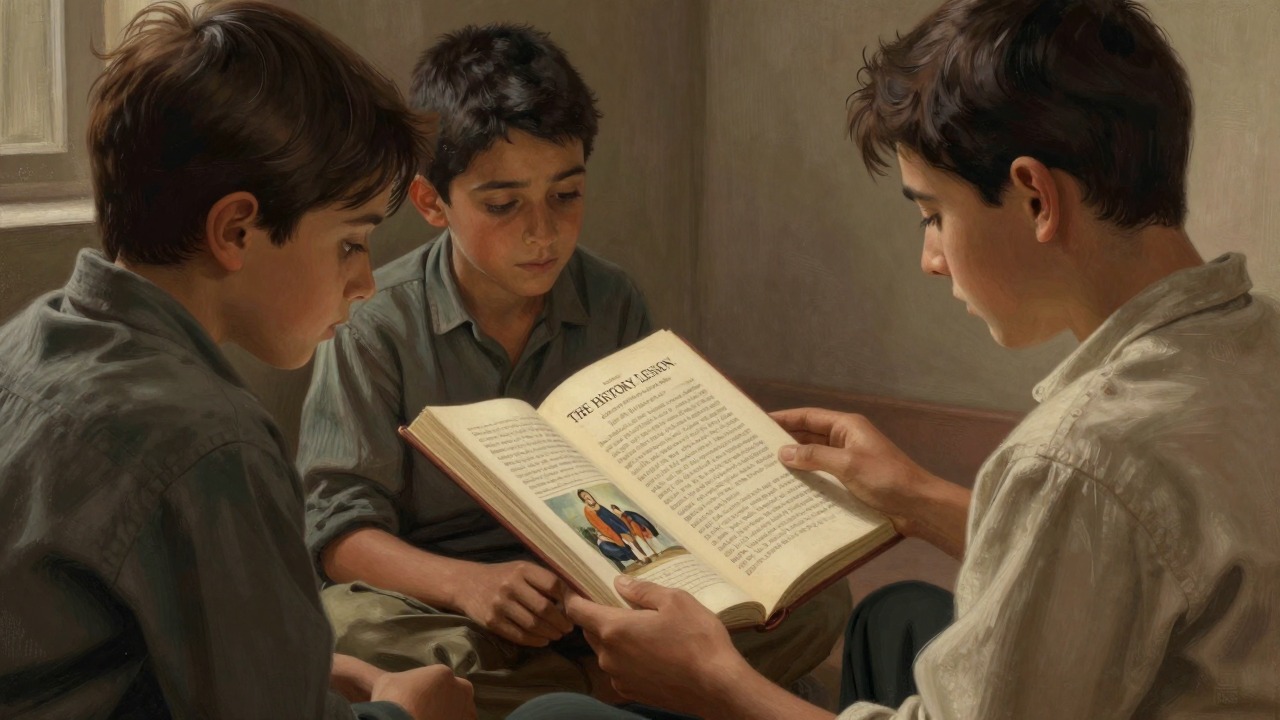
Amir reads a history book that describes how Pashtuns oppressed Hazaras in the 19th century, killing them, burning their homes, and selling their women. His teacher dismisses the Hazaras as martyrs. The prejudice is institutionalized.
The Rape
Assef rapes Hassan partly because he is a Hazara. He sees it as a lesson. The rape is an act of ethnic violence as much as sexual assault. Amir's failure to intervene is also a product of the same prejudice—he thinks, "He was just a Hazara."
The Massacre and Aftermath
The Massacre and Aftermath
The Mazar Massacre
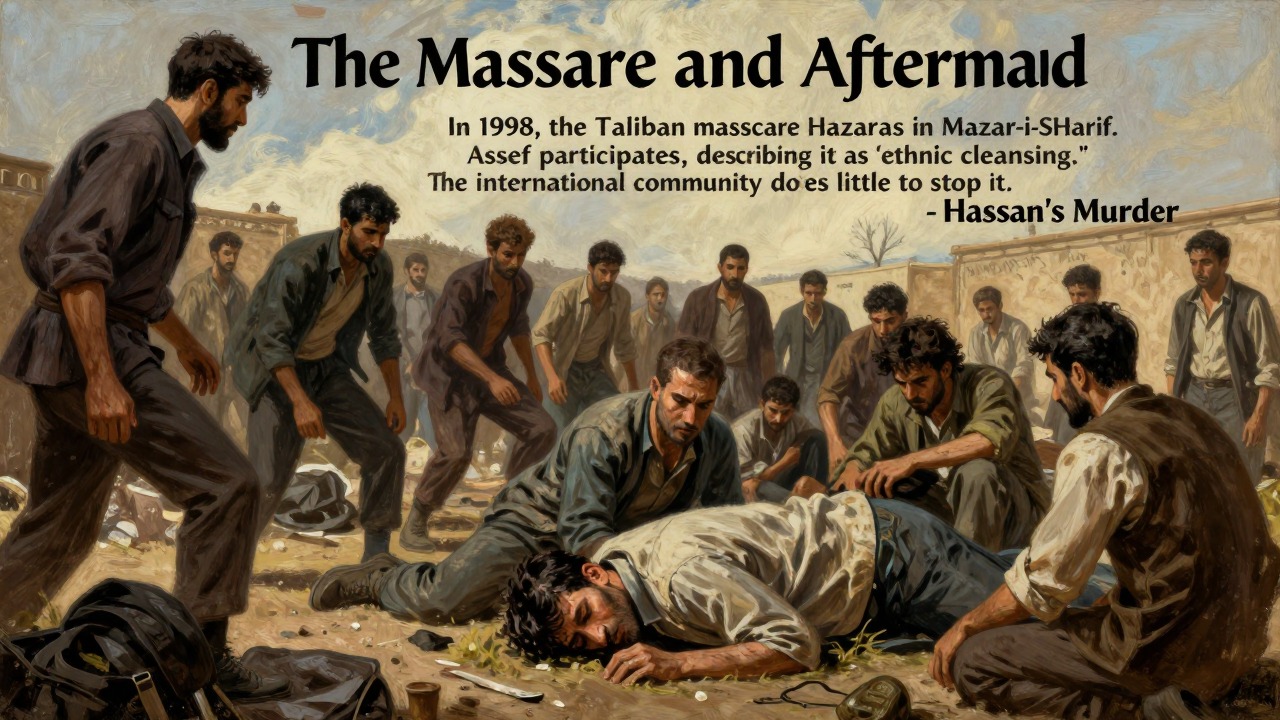
In 1998, the Taliban massacre Hazaras in Mazar-i-Sharif. Assef participates, describing it as "ethnic cleansing." The international community does little to stop it.
Hassan's Murder
Hassan is killed by the Taliban simply for being a Hazara living in a Pashtun house. His murder is dismissed as self-defense. No one speaks up for him.
Sohrab's Abuse
Sohrab is taken by Assef and used as a dancing boy. He is abused because he is a Hazara and powerless. The ethnic conflict is a central theme, showing how prejudice leads to violence and suffering.
1960s to 1970s
1998 to 2001
