Destruction of the portrait and Dorian's death
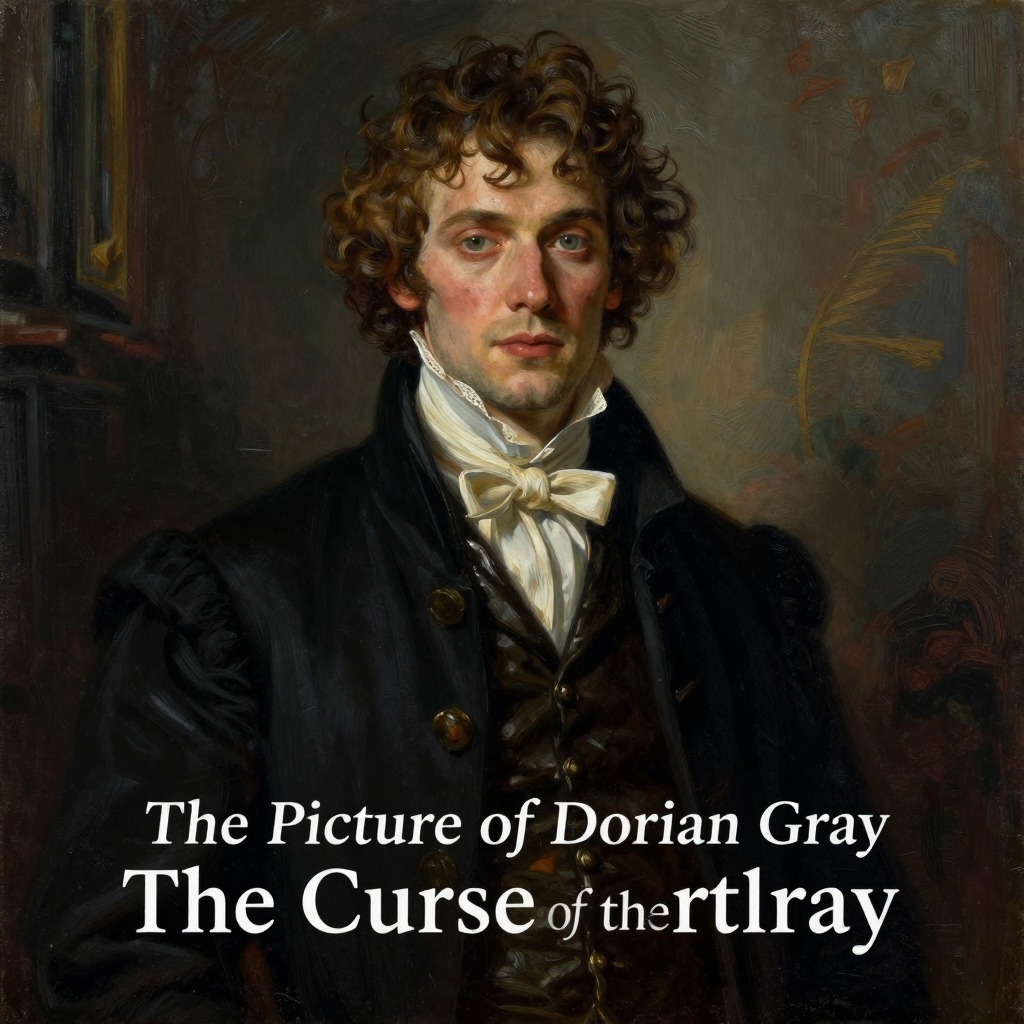
The destruction of the portrait and the simultaneous death of Dorian Gray constitute the final, catastrophic resolution of the supernatural pact that had governed his life. For eighteen years, the canvas painted by Basil Hallward had aged and decayed in his stead, recording every cruelty and crime while Dorian himself remained untouched by time. In the end, unable to bear the portrait's accusatory presence and believing that destroying it would set him free, he seized the knife that had killed the painter and stabbed the canvas, only to find that the magical bond between image and original was absolute: the servants discovered a splendid portrait of their master in all his youthful beauty, and on the floor lay a dead man, withered, wrinkled, and loathsome of visage, identifiable only by the rings on his fingers.
The Decision to Destroy the Portrait
In the final chapter, Dorian Gray returns home after an evening with Lord Henry Wotton, troubled by the older man's cynical dismissal of his attempt at moral reform. He had recently spared a village girl named Hetty Merton from ruin, a gesture he hoped might mark the beginning of a new, virtuous life. Yet when he crept upstairs to the locked room and dragged the purple hanging from the portrait, he saw no improvement: the face was still loathsome, the eyes cunning, the mouth twisted in a hypocritical sneer, and the red stain on the hand—blood from Basil Hallward's murder—had grown larger and brighter. The realization that his one good deed had been motivated by vanity, the desire for a new sensation, or the passion to act a part, rather than genuine goodness, filled him with despair. He concluded that the portrait itself was the only remaining evidence against him, and that by destroying it he could kill the past and free himself from the conscience it had become.
The Act of Stabbing the Canvas
Looking around the room, Dorian's eye fell on the knife he had used to murder Basil Hallward. He had cleaned it many times until no stain remained, and it gleamed brightly. Reasoning that as it had killed the painter, so it would kill the painter's work and all that it meant, he seized the knife and stabbed the canvas, ripping it from top to bottom. The act was immediate and violent, a final attempt to sever the connection between his own unchanging appearance and the hideous record of his soul.
The Immediate Aftermath and Discovery
At the moment Dorian stabbed the portrait, a horrible cry of agony was heard throughout the house, followed by a crash. The frightened servants woke and crept out of their rooms. Two gentlemen passing in the square below stopped, looked up at the great house, and fetched a policeman. The constable rang the bell several times but received no answer; the house was dark except for a light in one of the top windows. After a quarter of an hour, the valet Francis, having failed to force the door, climbed onto the roof with the coachman and a footman, dropped onto the balcony, and entered through windows whose bolts were old. Inside, they found hanging upon the wall a splendid portrait of their master as they had last seen him, in all the wonder of his exquisite youth and beauty. Lying on the floor was a dead man in evening dress, with a knife in his heart. He was withered, wrinkled, and loathsome of visage, and it was not until they examined the rings on his fingers that they recognized who it was: Dorian Gray.
Thematic Significance: The Reversal of the Faustian Bargain
The destruction of the portrait and Dorian's death complete the novel's central moral allegory. The wish Dorian had uttered in Basil Hallward's studio—that he might remain young while the picture grew old—had been granted, but the price was the progressive corruption of his soul, visible only on the canvas. His attempt to destroy the evidence of his sins by destroying the portrait proved futile, for the magical bond was absolute: the knife that killed the painted image killed the man himself. The final tableau—the portrait restored to its original beauty and the corpse bearing all the marks of age and depravity—reverses the terms of the bargain, showing that the soul cannot be separated from the body's fate, and that the attempt to escape moral consequence through art or magic leads only to a more terrible reckoning. The servants' discovery of the unrecognizable body, identifiable only by the rings, underscores the complete erasure of Dorian's physical identity, the very thing he had sacrificed everything to preserve.