
The Corrupting Influence of Ambition and Revenge
The Three MusketeersHow the pursuit of power and vengeance corrupts characters like Milady and the cardinal, and how it tests the integrity of the Musketeers.
increasing Bearing strength in each event
 decreasing
Bearing strength in each eventdecreasingMilady's Descent
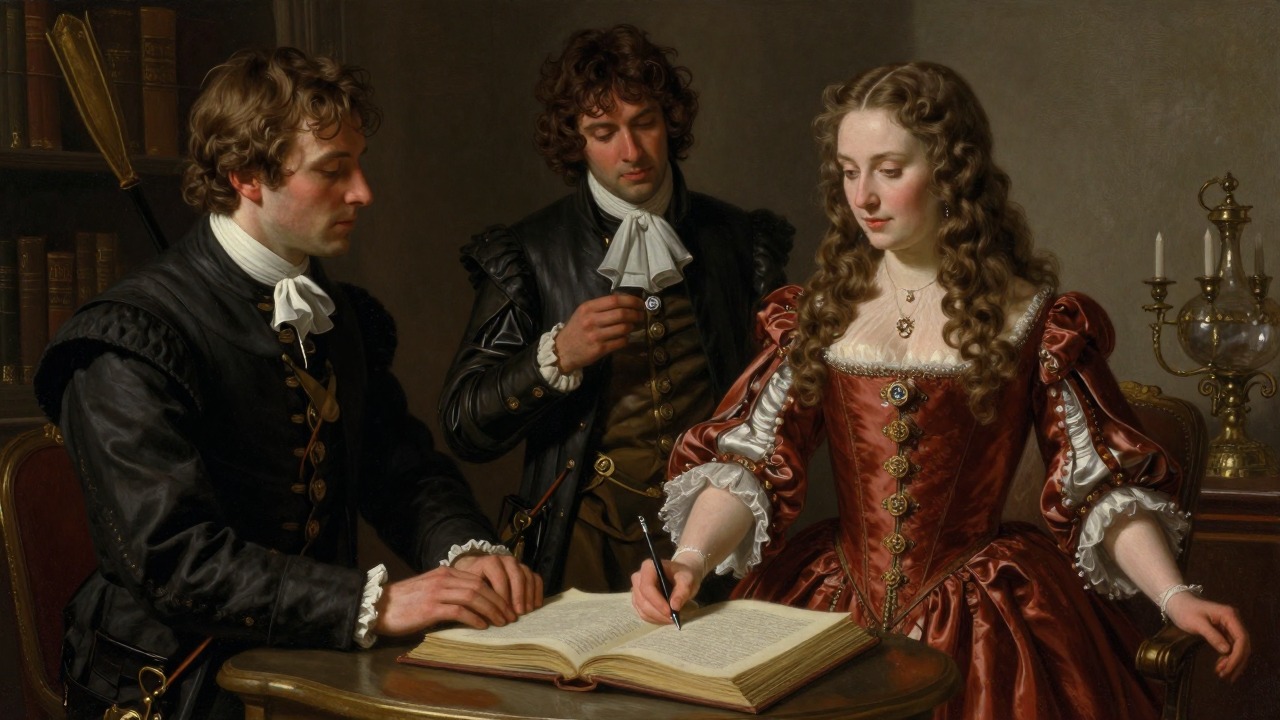
A Life of Crime
The Early Crimes
Milady's past includes seducing a priest, causing his death, and being branded. She then marries Athos, betrays him, and is nearly killed. She becomes the cardinal's agent.
The Escalation
Her crimes escalate: she steals the diamond studs, attempts to poison d'Artagnan, manipulates Felton into murder, and poisons Constance. Each crime makes her more ruthless.
The End
Her ambition and desire for revenge consume her. She dies unrepentant, cursing her judges. Her story is a cautionary tale about the destructive power of hatred.
The Cardinal's Ambition
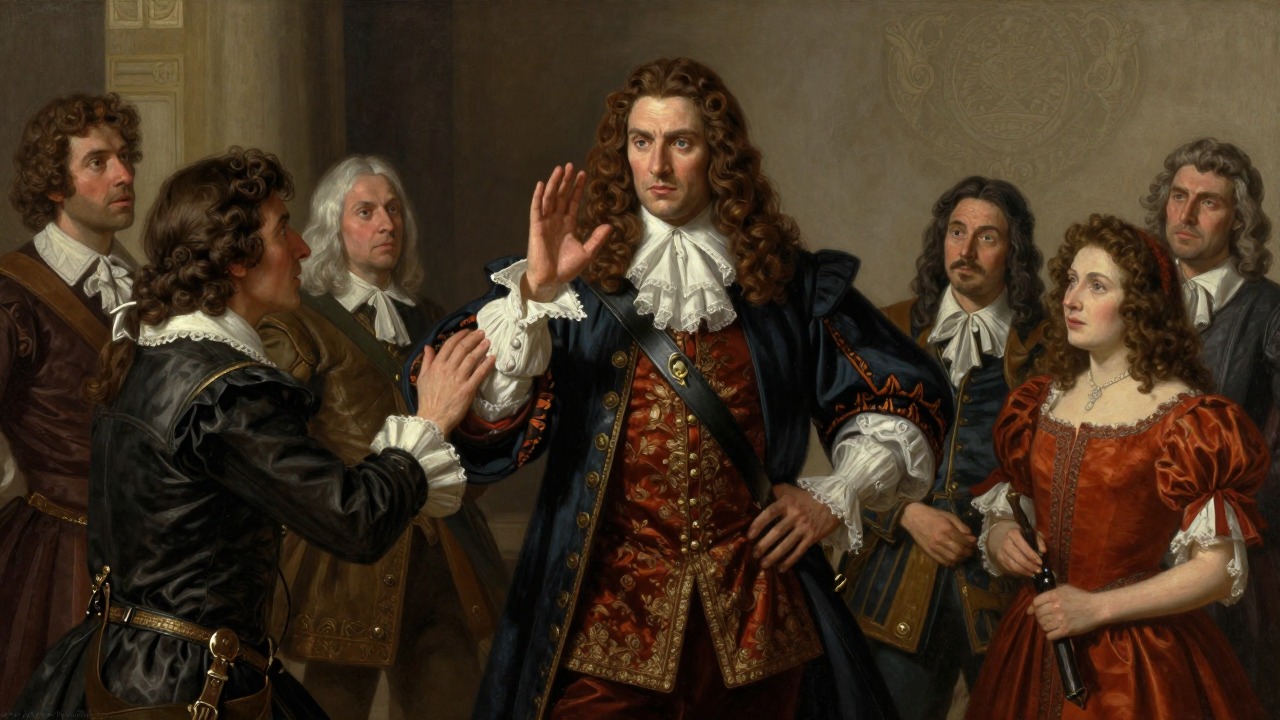
A Minister's Drive
The Quest for Power
Cardinal Richelieu is driven by a desire to unify France under his control. He uses any means necessary, including espionage, manipulation, and murder.
The Personal Vendetta
His conflict with Buckingham is both political and personal. He cannot tolerate a rival for the queen's affection. His ambition leads him to order Buckingham's assassination.
The Cost
The cardinal achieves his goals, but at a great moral cost. He is a brilliant statesman, but he is also a tyrant. His ambition corrupts him, making him willing to sacrifice anyone for power.
d'Artagnan's Vengeance
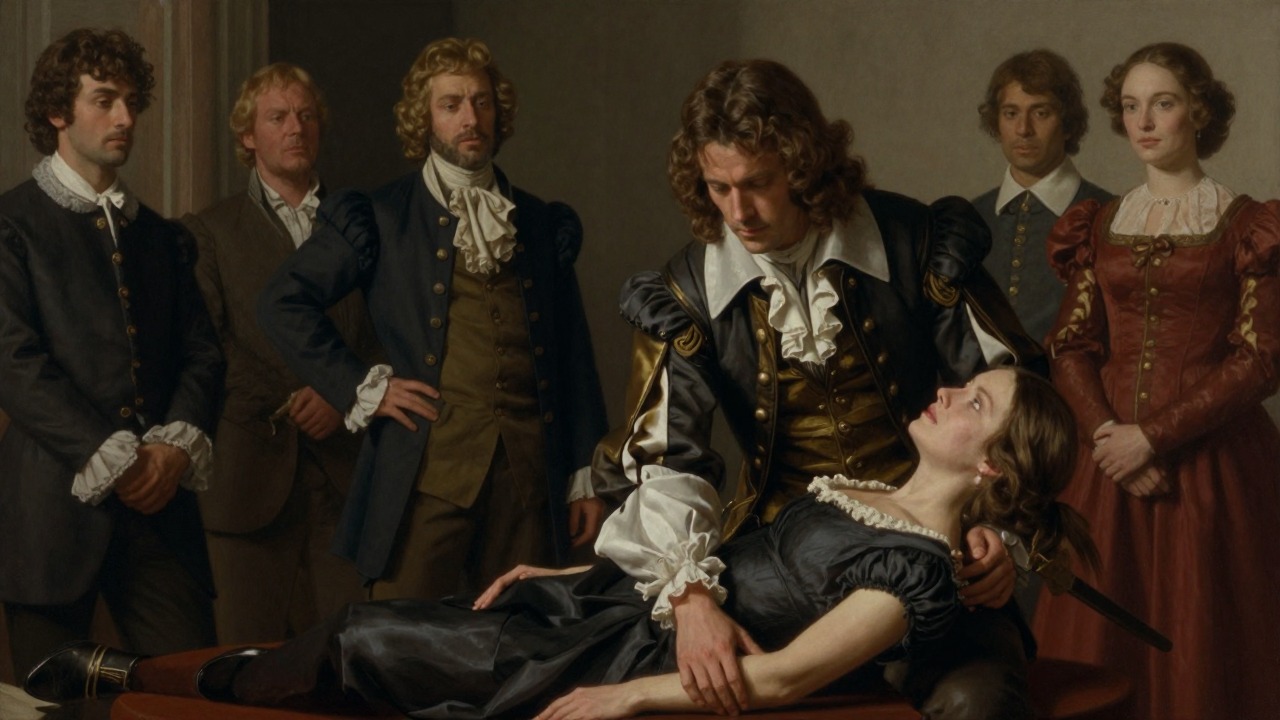
A Justified Pursuit
The Motivation
After Constance's death, d'Artagnan is consumed by a desire for vengeance. He joins the hunt for Milady, determined to see her punished.
The Execution
D'Artagnan participates in Milady's trial and execution. He watches her die, but he finds no peace. His vengeance is complete, but his grief remains.
The Lesson
D'Artagnan's quest for vengeance is justified, but it does not heal his wounds. The novel suggests that revenge, while necessary, is ultimately unsatisfying. It is a duty, not a cure.
throughout the story
throughout the story
near the end of the story
