
Justice and Extrajudicial Punishment
The Three MusketeersThe theme of justice outside the law, as the Musketeers take the law into their own hands to punish Milady.
increasing Bearing strength in each event
 decreasing
Bearing strength in each eventdecreasingThe Trial of Milady
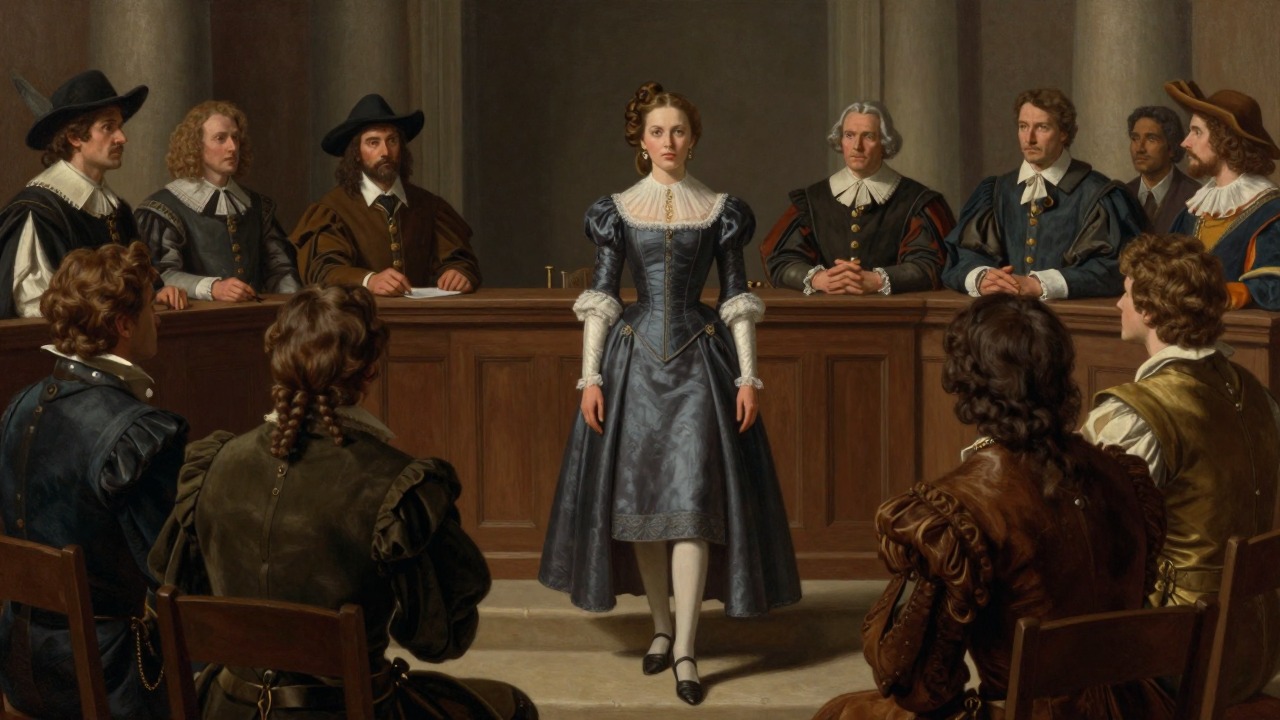
A Court of Vengeance
The Accusers
Milady is tried by a makeshift court consisting of her victims and their allies. Each man accuses her of a crime. There is no judge, no jury, no defense.
The Verdict
The verdict is predetermined. Milady is condemned to death. The trial is more of a sentencing than a legal proceeding.
The Question of Legitimacy
The novel raises questions about the legitimacy of this extrajudicial punishment. The men are acting as judges, jury, and executioners. Is their justice just? The narrative seems to endorse it, but the ambiguity remains.
The Execution
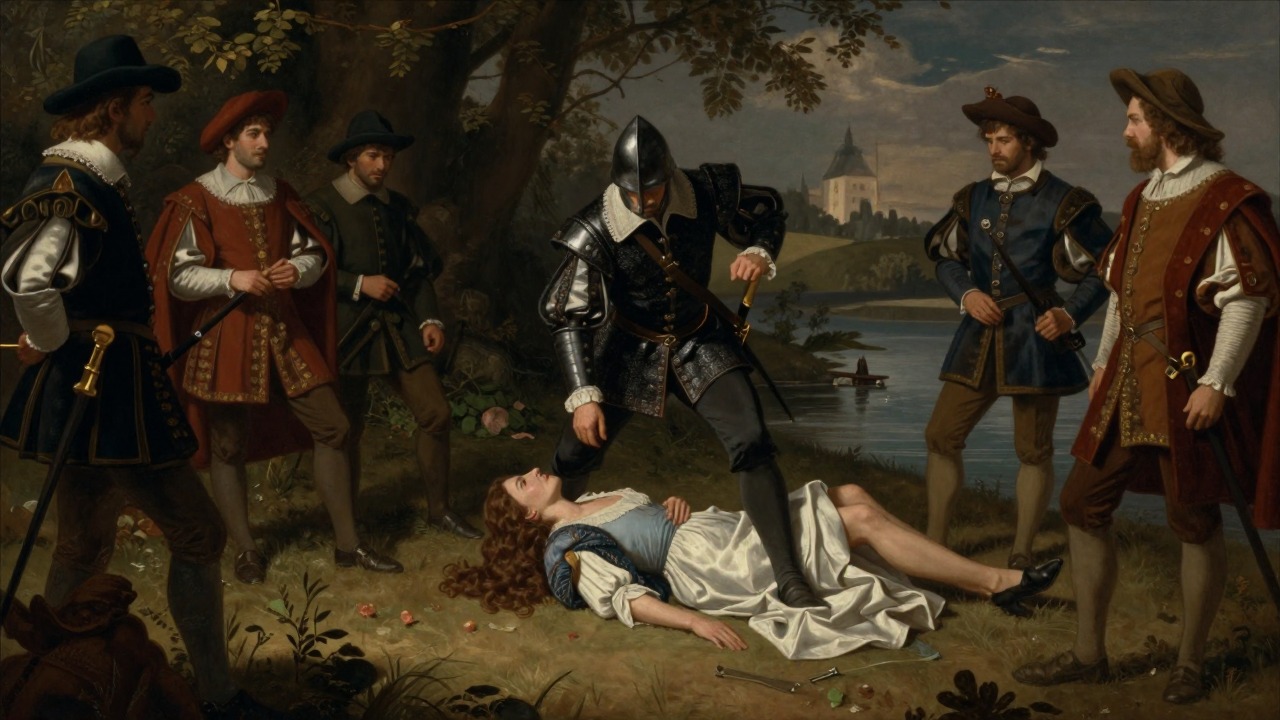
A Grim Necessity
The Act
The executioner beheads Milady and throws her body into the Lys. The act is swift and final. The friends watch from the opposite bank.
The Aftermath
There is no legal consequence for the execution. The cardinal, who might have objected, is silent. The men have taken justice into their own hands.
A Moral Ambiguity
The novel does not condemn their actions. Milady is clearly evil, and her death is presented as a necessary act of justice. However, the extrajudicial nature of the trial and execution raises uncomfortable questions about the rule of law.
near the end of the story
near the end of the story
