Fleur-de-lis
The fleur-de-lis, the royal emblem of France, is transformed in Alexandre Dumas's novel into a brand of shame, a physical mark that exposes a hidden criminal past and becomes the catalyst for the story's most violent acts of retribution. It is not merely a decorative symbol but a scar on the body that carries the full weight of the law and the judgment of men, a secret that, once revealed, can shatter lives and justify execution.
The Brand as a Revelation of Hidden Crime
The fleur-de-lis first appears as a horrifying revelation. When d'Artagnan, having spent the night with Milady, tears her nightdress in the ensuing struggle, he sees on her shoulder "the FLEUR-DE-LIS—that indelible mark which the hand of the infamous executioner had imprinted" . This single image instantly transforms Milady from a seductive femme fatale into a condemned criminal, a woman whose past is literally written on her body. The brand is a secret she guards with murderous intent; its exposure by d'Artagnan turns her from a potential lover into a mortal enemy who swears, "You shall die" . The mark is the key that unlocks her entire history of treachery, bigamy, and murder.
The Brand as a Tool of Vengeance and Justice
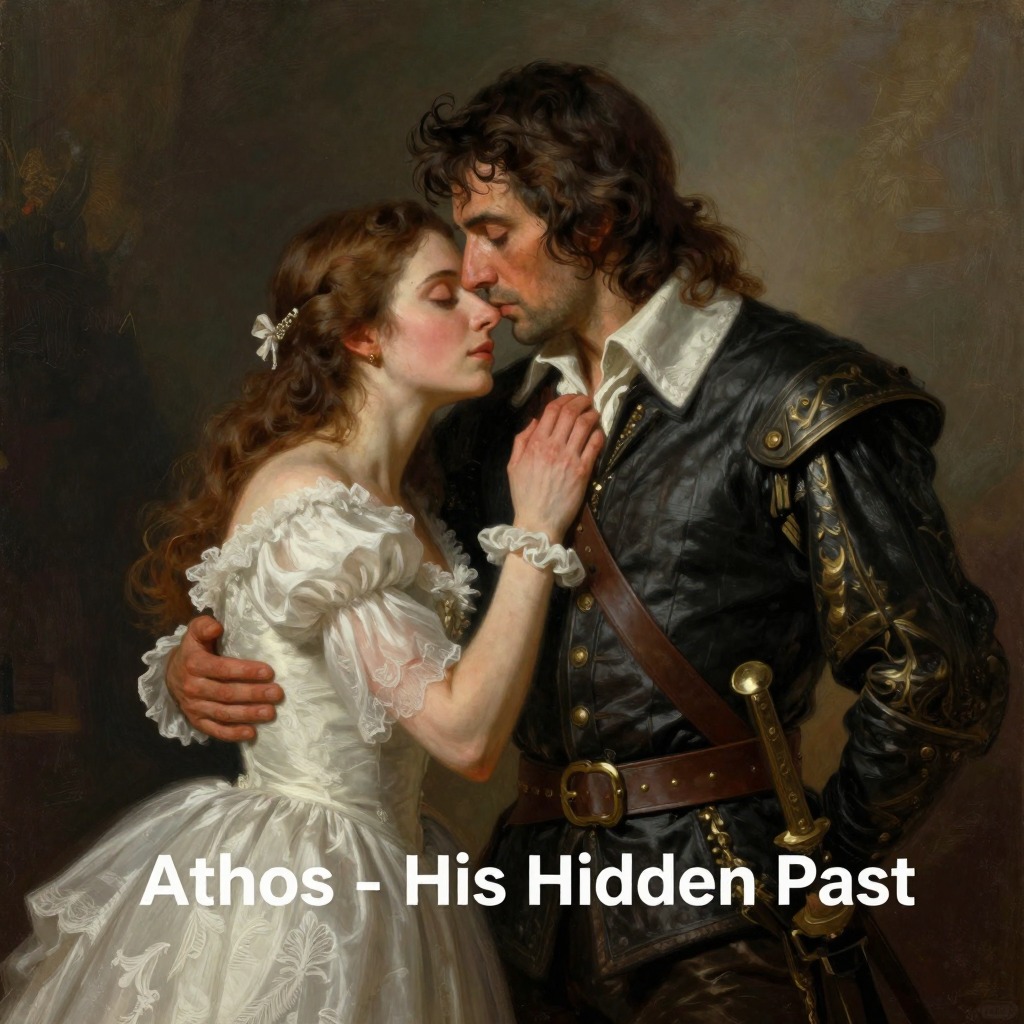
The brand is not only a mark of past crime but also a tool for future vengeance. Athos, who had long ago hanged a woman he believed to be his branded wife, recognizes the same mark on Milady's shoulder. This recognition confirms that the woman he tried to kill is still alive and that she is the same person who has been tormenting d'Artagnan. The fleur-de-lis thus becomes the link between Athos's personal tragedy and the present danger, uniting the four friends in a common cause. Later, when Milady is captured and put on trial by the four friends, the Executioner of Lille steps forward to reveal the brand's origin. He explains that he branded her himself as punishment for seducing his brother, a young priest, and causing his ruin and death . The brand, therefore, is not just a mark of her crime against the priest but a symbol of the executioner's own sworn vengeance, a debt he has waited years to collect.
The Brand as a Justification for Execution
In the final judgment scene, the fleur-de-lis serves as the ultimate proof of Milady's irredeemable guilt. When Athos accuses her of being a branded woman, she defiantly challenges her accusers to find the tribunal that sentenced her or the man who executed the sentence. The Executioner of Lille then steps forward, removes his mask, and declares, "I am the executioner of Lille" . His testimony, grounded in the physical evidence of the brand, provides the moral and legal justification for the friends' extralegal execution. The brand is the final, irrefutable piece of evidence that condemns her. It is a mark that cannot be erased or denied, and it transforms the friends' act of murder into an act of divine justice. The executioner himself, by throwing the payment for his work into the river, declares that he is not acting as a hired killer but as an instrument of a higher law, a law written in the flesh by the fleur-de-lis.