Rowland's unrequited love for Mrs. Selfridge
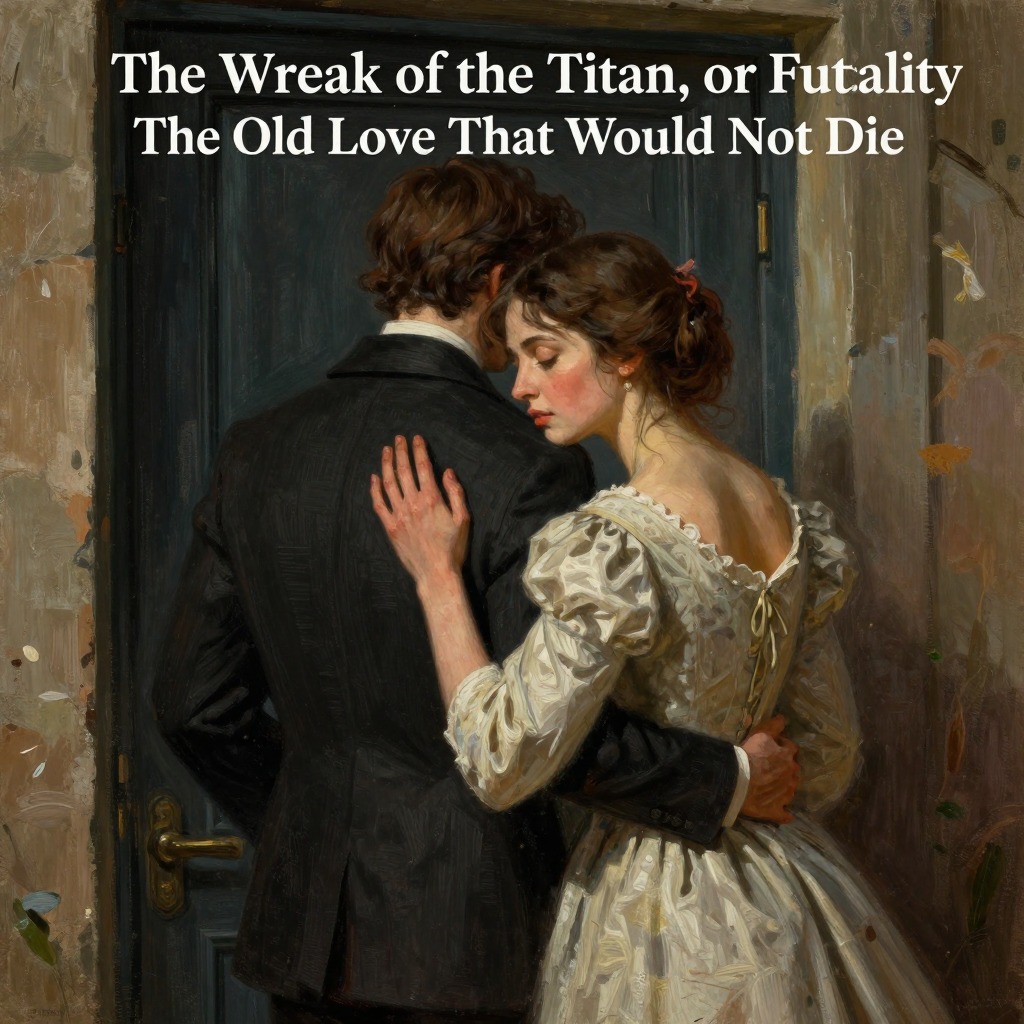
Rowland's unrequited love for Mrs. Selfridge, born as Myra Gaunt, is the central emotional force of the novella, shaping his downfall, his presence on the Titan, and his ultimate redemption. It is a love that has survived five years of separation, rejection, and degradation, and it defines his identity as a man haunted by a past he cannot escape. The narrative traces this love from its origins in a failed courtship through its transformation into a selfless devotion that culminates in his rescue of her daughter and his quiet withdrawal from her life.
Origins and Rejection
Rowland first loved Myra Gaunt when he was a naval officer, a graduate of the United States Naval Academy, and a frequent guest at her father's house. He asked for her hand in marriage, but his request was not granted, and he threatened revenge when rejected. Myra, a professing Christian, was initially attracted to him but turned against him upon discovering his atheism, which he expressed as an "honest unbelief," refusing to be a hypocrite to gain her approval. She also smelled liquor on his breath, which she found repugnant, and she gave him up. His subsequent outburst, in which he accused her of leading him on and playing with him, and spoke of an "immutable law of chance" and a "governing balance of events," left her afraid of him, imagining he might seek revenge by stealing their child. This rejection, and the manner of it, became the wound that festered in Rowland, leading to his disgrace and his descent into alcoholism.
The Persistence of Love
Five years later, Rowland, now a common sailor on the Titan, encounters Myra again. The sight of her, a "sunny-haired young woman with the blue of the sea in her eyes," stops the blood in his veins and brings back "all the heart-hunger and helplessness" that leads a man to insanity. He mutters to himself about "whisky nerves, or the dying flutter of a starved love," revealing that his love has not diminished but has become a source of torment. His reaction is physical and overwhelming; he leans against the deck-house, panting, holding his hand to his breast. Myra is equally affected, her face showing "mingled surprise and terror," and she flees to the library, where she tells her husband, George Selfridge, about Rowland's presence and his fallen state. Rowland's love is thus not a passive memory but an active, painful force that he cannot control.
Love and Loss on the Iceberg
Rowland's love is most poignantly expressed during the shipwreck and its aftermath. When the Titan strikes the iceberg, Rowland, holding Myra's daughter, hears the mother's agonized voice calling "Myra, Myra, where are you? Come back." He recognizes the voice and, in his delirium, imagines a dream in which the woman of his love calls to him from the opposite edge of space, saying "Come back to me." This dream, which he clings to as an oracle, contrasts with his waking fear that she is dead, cold and lifeless, fathoms deep in the sea. He hails invisible boats, shouting her name, encouraging her to swim, to tread water, to float on wreckage, and to answer him until he comes to her. When there is no response, he is weighed down by "the blackest desolation" that has come into his unhappy life. His love is thus intertwined with guilt and despair, as he believes he may have lost her forever.
The Prayer and the Promise
On the iceberg, Rowland's love leads him to a moment of spiritual crisis. He, an atheist who has denied the existence of God, prays to the God he denies, begging for the life of the waif in his care and for the safety of the mother. His prayer is selfless: "beyond the appeal for help in the service of others, not one word or expressed thought of his prayer included himself as a beneficiary." He whispers "For you, Myra" as he looks at the sleeping child, and his prayer is seemingly answered when a bark appears. This act of prayer, born of helplessness and love, marks a turning point in his character, though his love remains unrequited.
The Aftermath and the Letter
After the rescue, Rowland's love continues to shape his actions. He refuses to testify against the Titan's owners, choosing to protect the child's inheritance rather than seek revenge or justice. He accepts a bribe of passage to New York, not for himself, but to return Myra to her mother. When he is arrested and tried for kidnapping, he says nothing in his defense, and the magistrate discharges him after learning of his heroism. He then disappears into the world, working as a dock lounger, fishing, tallying cargo, and eventually securing a government position through the United States Civil Service. He tells himself, "Now John Rowland, your future is your own. You have merely suffered in the past from a mistaken estimate of the importance of women and whisky." But he is wrong. Six months later, he receives a letter from Mrs. Selfridge, who writes, "Do not think me indifferent or ungrateful. I have watched from a distance while you made your wonderful fight for your old standards. You have won, and I am glad and I congratulate you. But Myra will not let me rest. She asks for you continually and cries at times. I can bear it no longer. Will you not come and see Myra?" And the man went to see Myra. This ending suggests that his love, though unrequited in a romantic sense, has found a new form in his relationship with the child, and that the mother's gratitude and the child's need may offer him a kind of fulfillment.
Thematic Significance
Rowland's unrequited love is not merely a personal tragedy but a commentary on the nature of love, loss, and redemption. His love for Myra Gaunt is idealized and unattainable, and it drives him to the brink of self-destruction. Yet it also inspires his greatest acts of courage and selflessness, from fighting the polar bear to praying for the mother's safety. The novella suggests that love, even when unreturned, can be a transformative force, leading a man from degradation to a life of purpose. Rowland's final decision to go to Myra, despite his earlier resolve to move on, indicates that his love is not easily extinguished, and that the bonds formed through suffering and sacrifice may be more enduring than those of romance.