
Vengeance and Justice
Twenty Thousand Leagues Under the SeaExplores the moral ambiguity of Captain Nemo's quest for revenge, questioning whether justice can be achieved through violence.
increasing Bearing strength in each event
 decreasing
Bearing strength in each eventdecreasingThe Roots of Vengeance
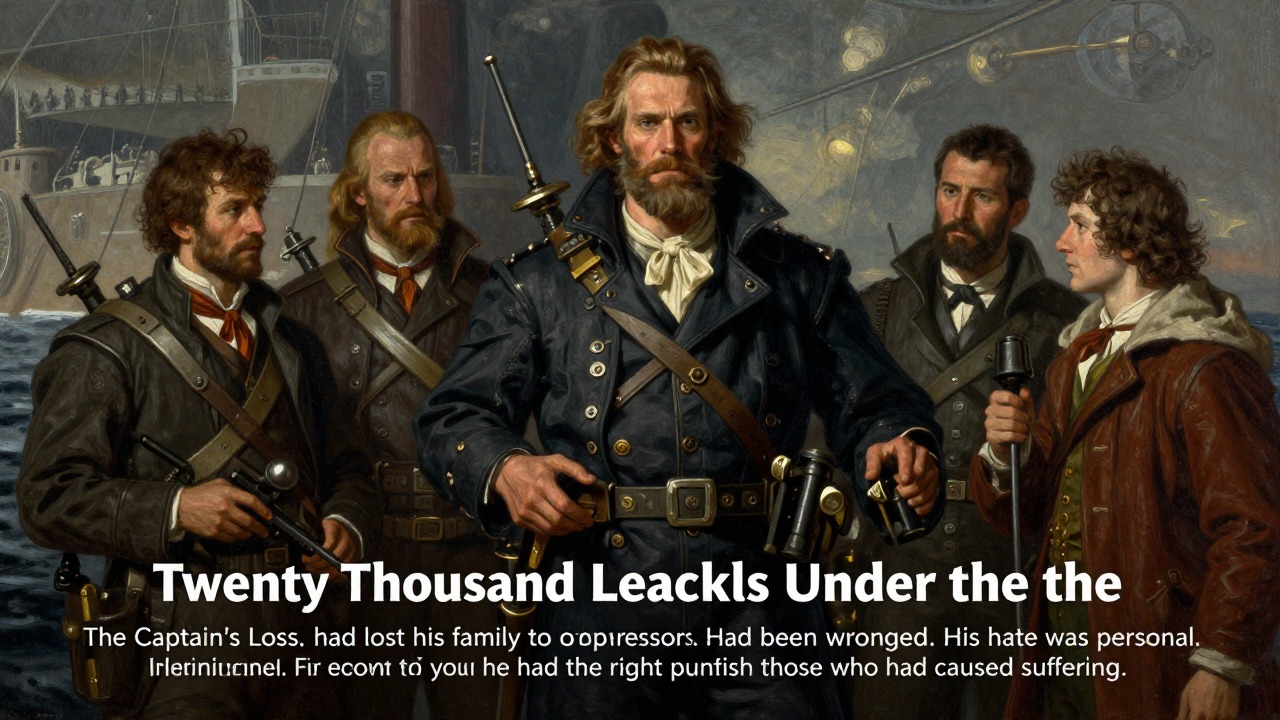
The Roots of Vengeance
The Captain's Loss
Captain Nemo had lost his family to the oppressors. He had been wronged. His hate was personal.
The Justification
He saw himself as a judge and executioner. He believed he had the right to punish those who had caused suffering.
The Attack on the Warship
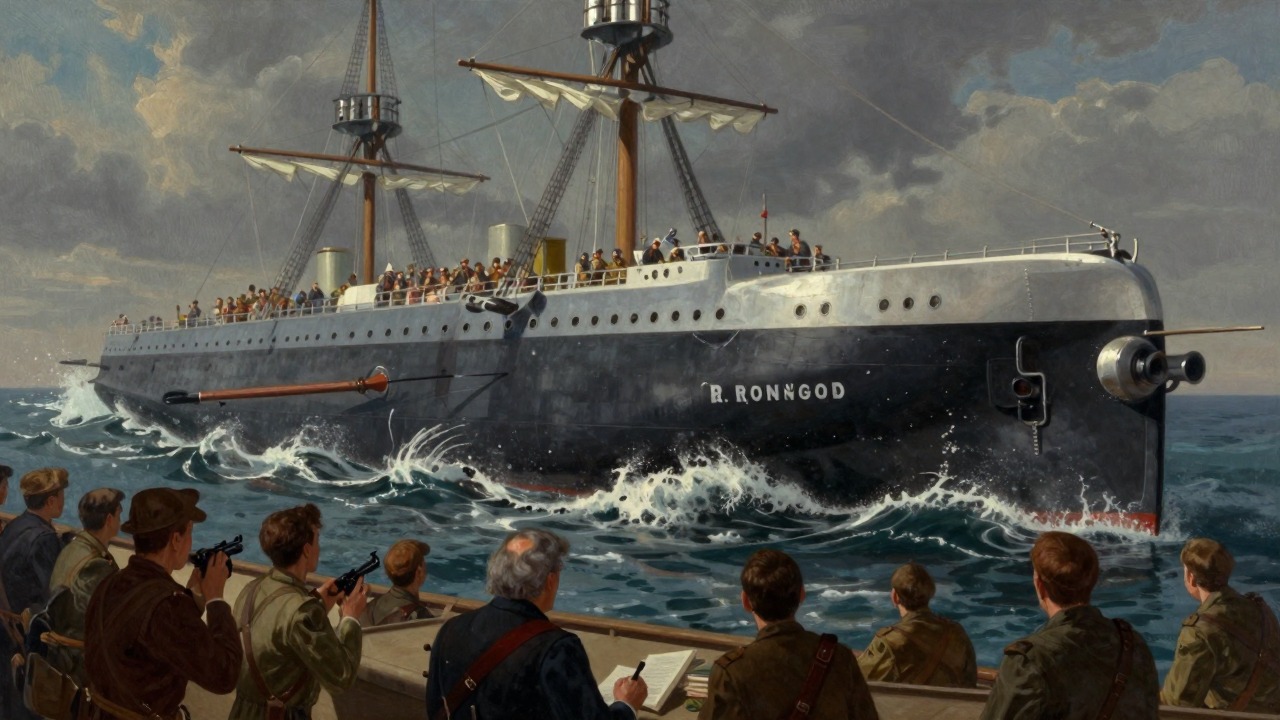
The Attack on the Warship
The Cold-Blooded Sinking
The Nautilus rammed and sank a warship with no warning. Captain Nemo watched without emotion. It was a massacre.
The Cost of Revenge
Aronnax was horrified. The act was indiscriminate. The warship's crew were innocent sailors. The vengeance was monstrous.
The Captain's Remorse
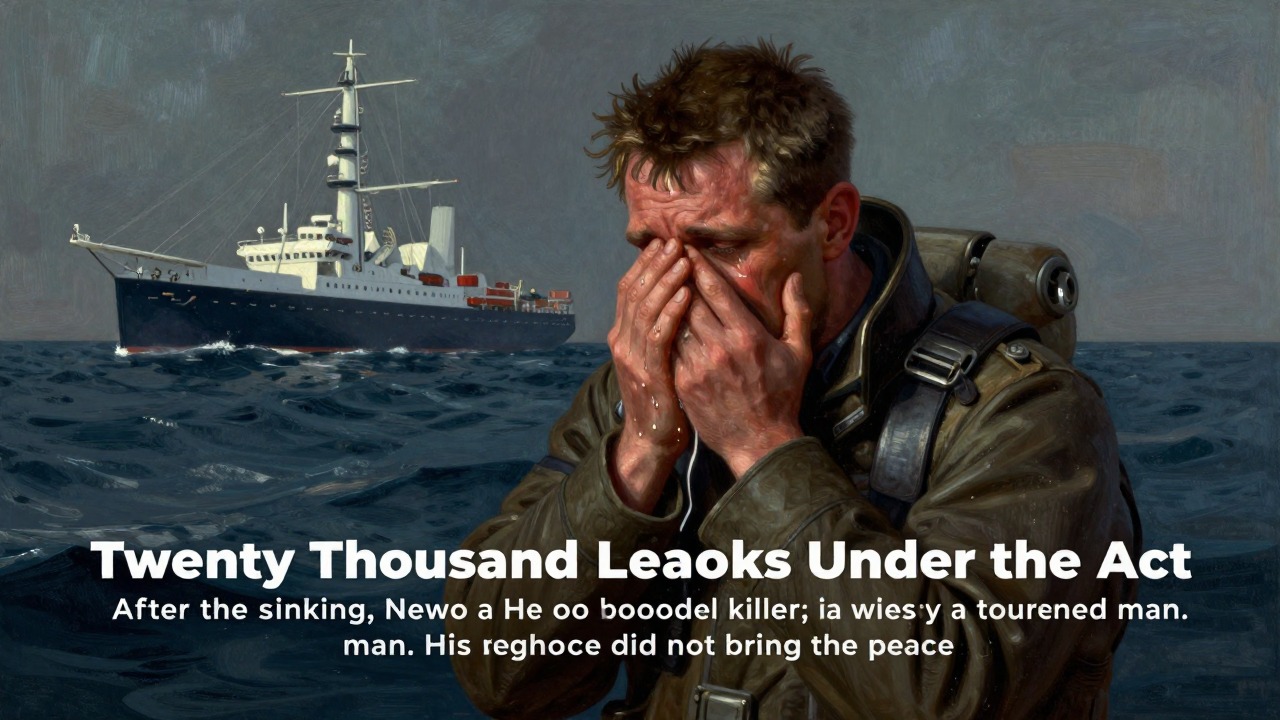
The Captain's Remorse
Tears after the Act
After the sinking, Captain Nemo wept. He was not a cold-blooded killer; he was a tortured man. His revenge did not bring him peace.
The Tragedy of Hate
He was consumed by his hate. The theme suggests that vengeance destroys the avenger as well as the victim.
Aronnax's Judgment
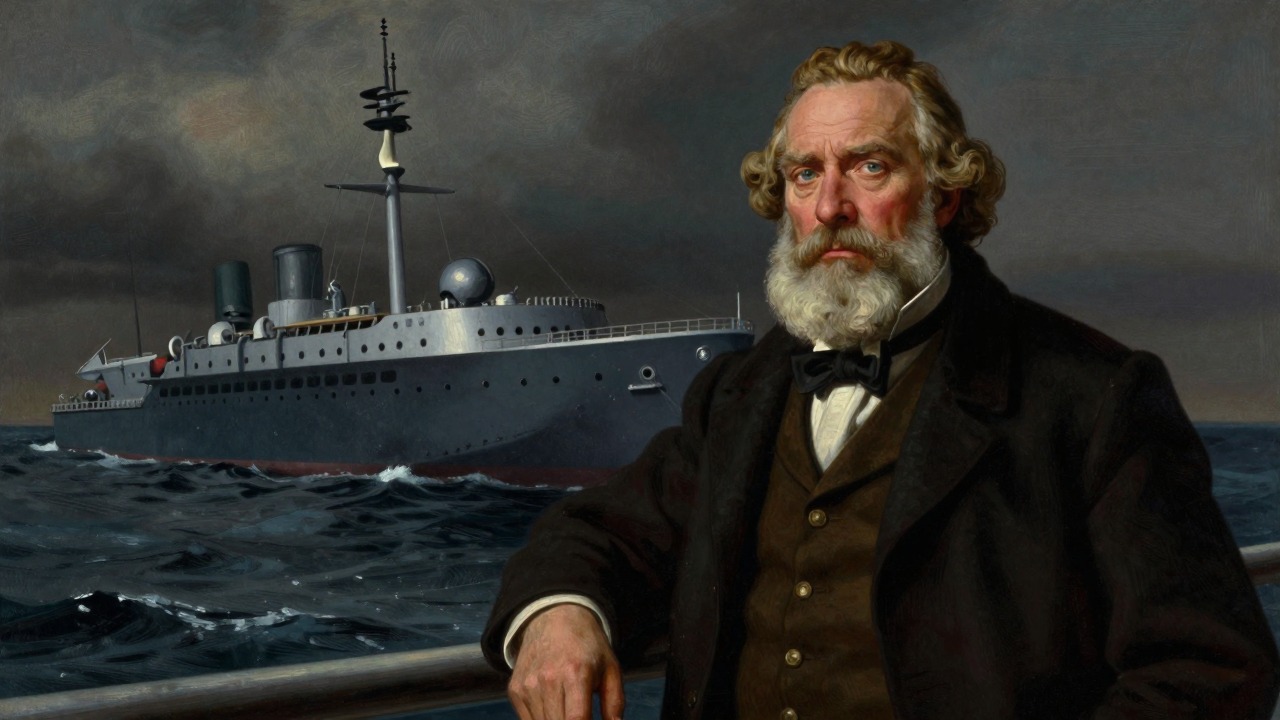
Aronnax's Judgment
The Professor's Moral Stand
Aronnax decided that Captain Nemo had no right to take lives. He could not be an accomplice. He chose to escape.
The Question of Justice
The novel leaves the question open. Is Captain Nemo a hero or a villain? His actions were born of suffering, but they were still wrong.
The End of the Avenger
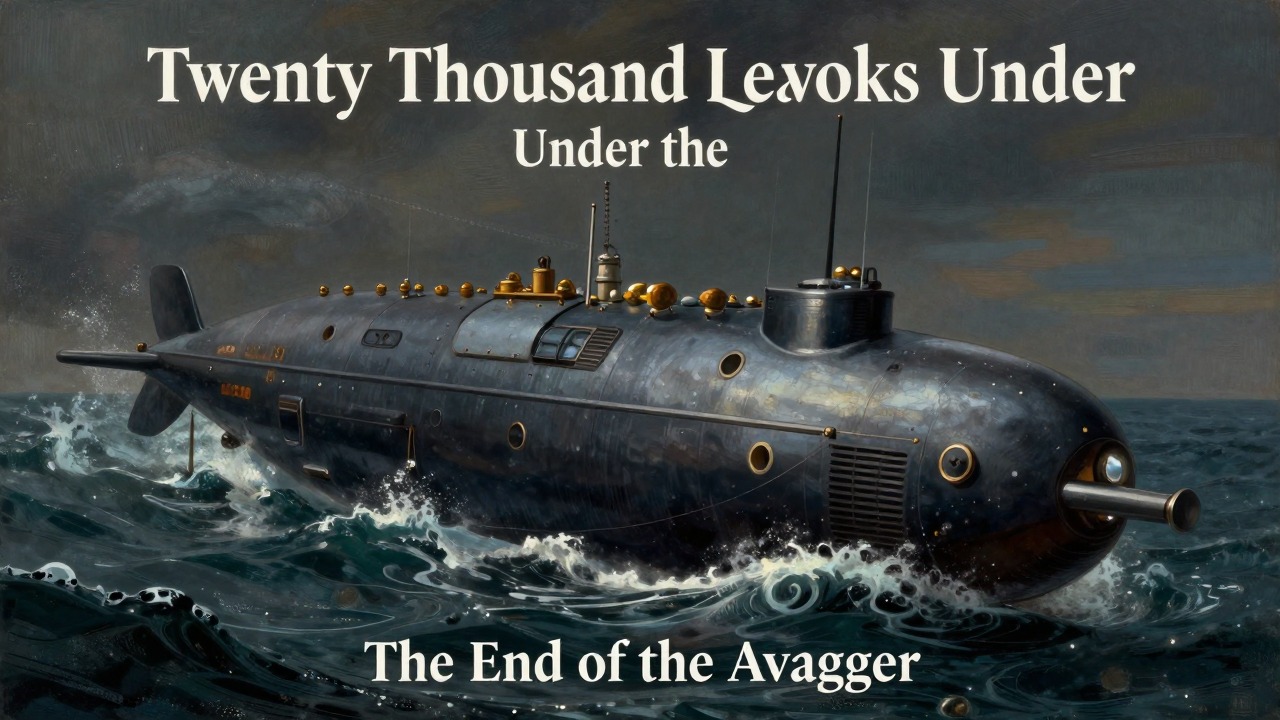
The End of the Avenger
The Maelstrom
The Nautilus was caught in the Maelstrom. It was as if the sea itself was punishing the captain. The cycle of vengeance ended in destruction.
A Final Punishment?
Captain Nemo's fate was ambiguous. He may have perished. The sea, which he loved, became his judgment.
1868年6月
1868年6月2日
1868年6月2日
1868年6月
1868年6月
