Allan Grey
Allan Grey exists in A Streetcar Named Desire only through Blanche DuBois's memory and confession, yet his brief, catastrophic life is the engine of the play's tragedy. A poetically inclined young man of extreme good looks, he married Blanche when she was sixteen, and she loved him "unendurably." His suicide after Blanche discovered him in a sexual encounter with an older man—and her subsequent, impulsive declaration of disgust—shattered her world, leaving her with a guilt that drives her compulsive need for kindness, her fear of light and reality, and her pattern of seeking intimacy with strangers.
Identity and Background
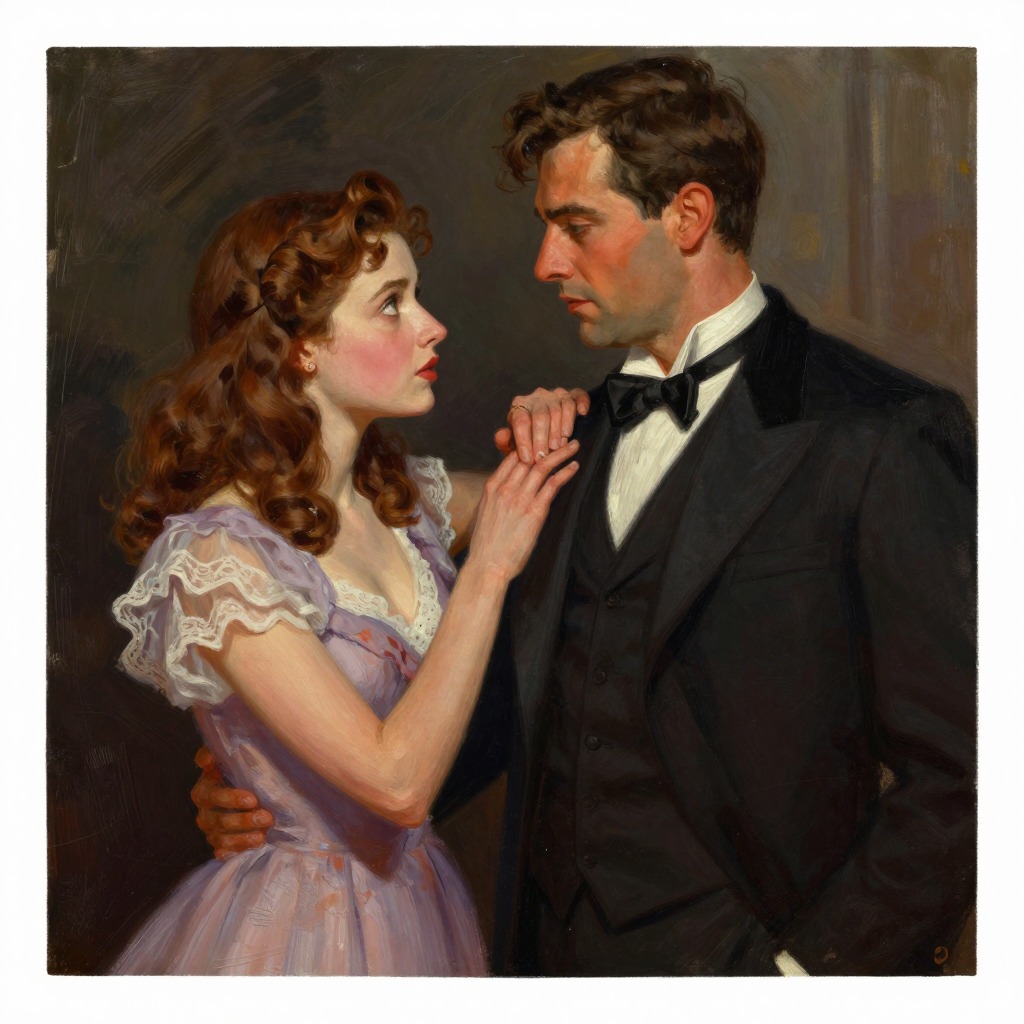
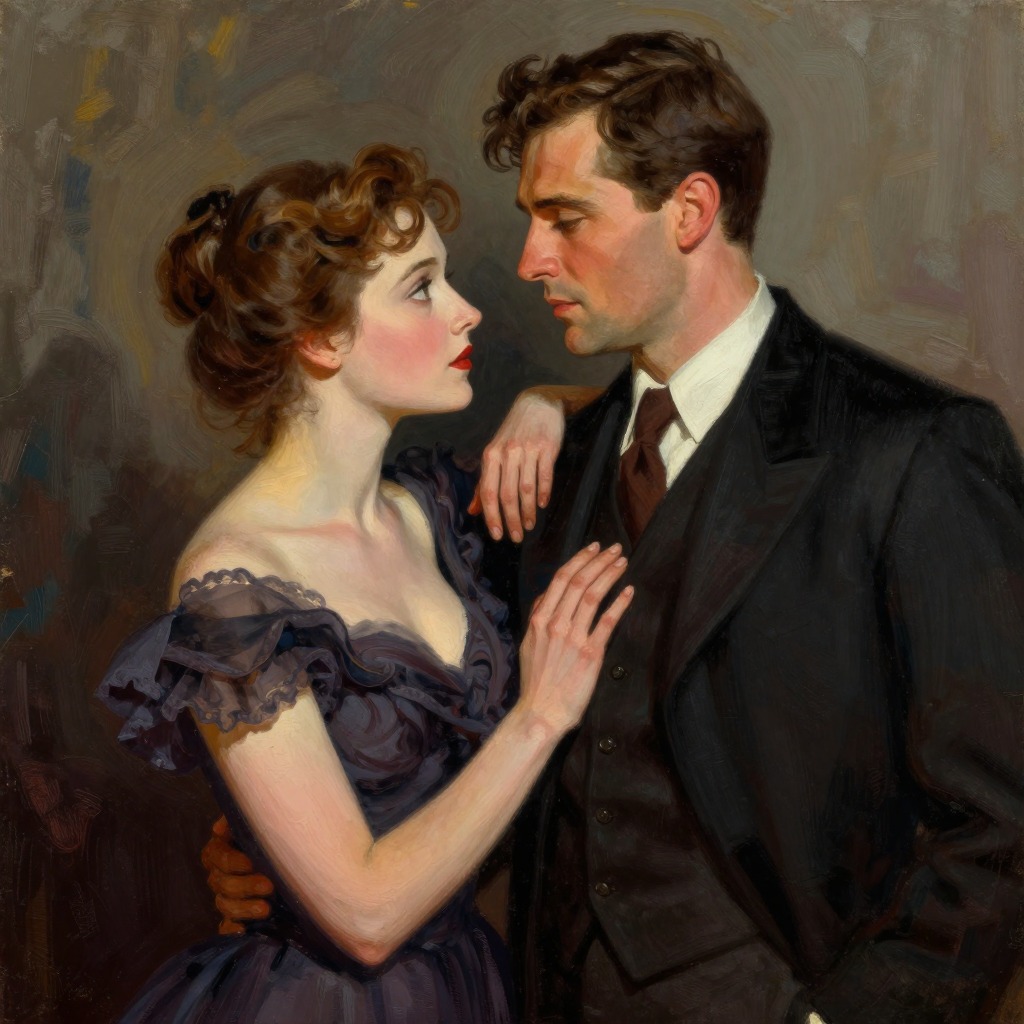
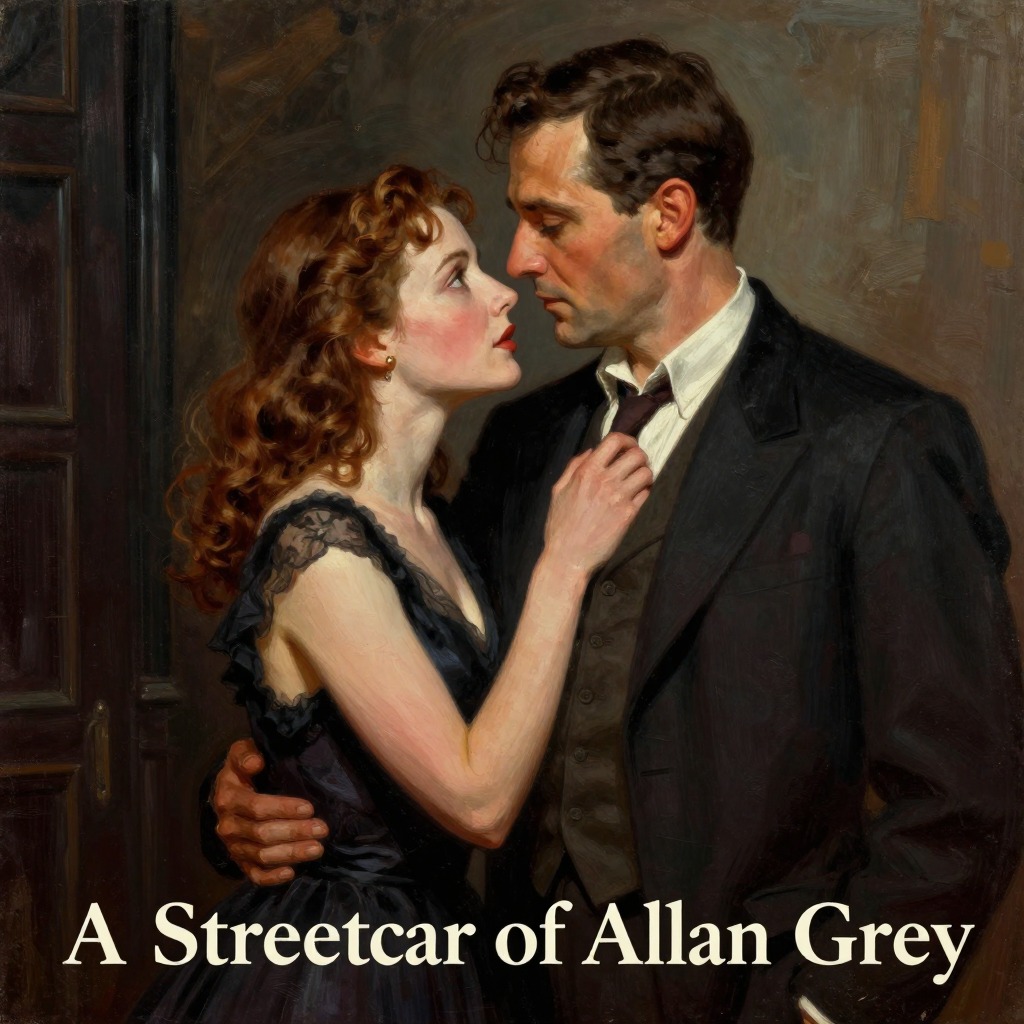
Allan Grey was a young man of extraordinary beauty and a poetic temperament. Stella Kowalski, recalling him years later, describes him as "extremely good-looking" and notes that Blanche "didn't just love him but worshipped the ground he walked on! Adored him and thought him almost too fine to be human!" . Blanche herself tells Mitch that when she was sixteen, she made "the discovery—love. All at once and much, much too completely. It was like you suddenly turned a blinding light on something that had always been half in shadow" . The boy had a "nervousness, a softness and tenderness which wasn't like a man's, although he wasn't the least bit effeminate looking" . He wrote poems, which Blanche still keeps in a tin box, yellowing with age, and which she fiercely protects from Stanley Kowalski's touch, calling them "poems a dead boy wrote" .
The Marriage and Its Destruction
Blanche and Allan married when she was very young, but the marriage was built on a hidden crisis. Allan "came to me for help," Blanche confesses, but she "didn't know that" and "didn't find out anything till after our marriage" . She sensed she had "failed him in some mysterious way and wasn't able to give the help he needed but couldn't speak of" . The truth emerged in the worst possible way: she came "suddenly into a room that I thought was empty—which wasn't empty, but had two people in it . . . the boy I had married and an older man who had been his friend for years" . Stella later confirms this to Stanley, calling Allan "a degenerate" .
The Suicide at Moon Lake Casino
After the discovery, the three of them—Blanche, Allan, and the older man—drove to Moon Lake Casino, "very drunk and laughing all the way" . The polka tune known as the "Varsouviana" was playing. In the middle of the dance, unable to stop herself, Blanche said to Allan: "I saw! I know! You disgust me . . ." . Allan broke away from her, ran out of the casino, and a few moments later a shot was heard . He had "stuck the revolver into his mouth, and fired—so that the back of his head had been—blown away" . The polka stopped abruptly, and for Blanche, the "searchlight which had been turned on the world was turned off again and never for one moment since has there been any light that's stronger than this—kitchen—candle" .
Consequences and Thematic Significance
Allan's death is the primal wound from which all of Blanche's subsequent behavior flows. The "Varsouviana" plays in her mind whenever she is under stress, and she drinks to escape it . She tells Mitch that after Allan's death, "intimacies with strangers was all I seemed able to fill my empty heart with. . . . I think it was panic, just panic, that drove me from one to another, hunting for some protection" . Her desperate need for illusion—her insistence that "I don't want realism. I want magic!"—is a direct response to the unbearable reality she once faced. Even her final, famous line, "I have always depended on the kindness of strangers," echoes the pattern of seeking comfort from unknown men that began with Allan's death. Stanley Kowalski, in the moment of his rape of Blanche, taunts her with the phrase "We've had this date with each other from the beginning!" , suggesting that the violent, sexualized destruction Allan's death set in motion was always destined to reach its conclusion in Stanley's hands. Allan Grey, though dead before the play begins, is the ghost that haunts every scene.