Stanley Kowalski
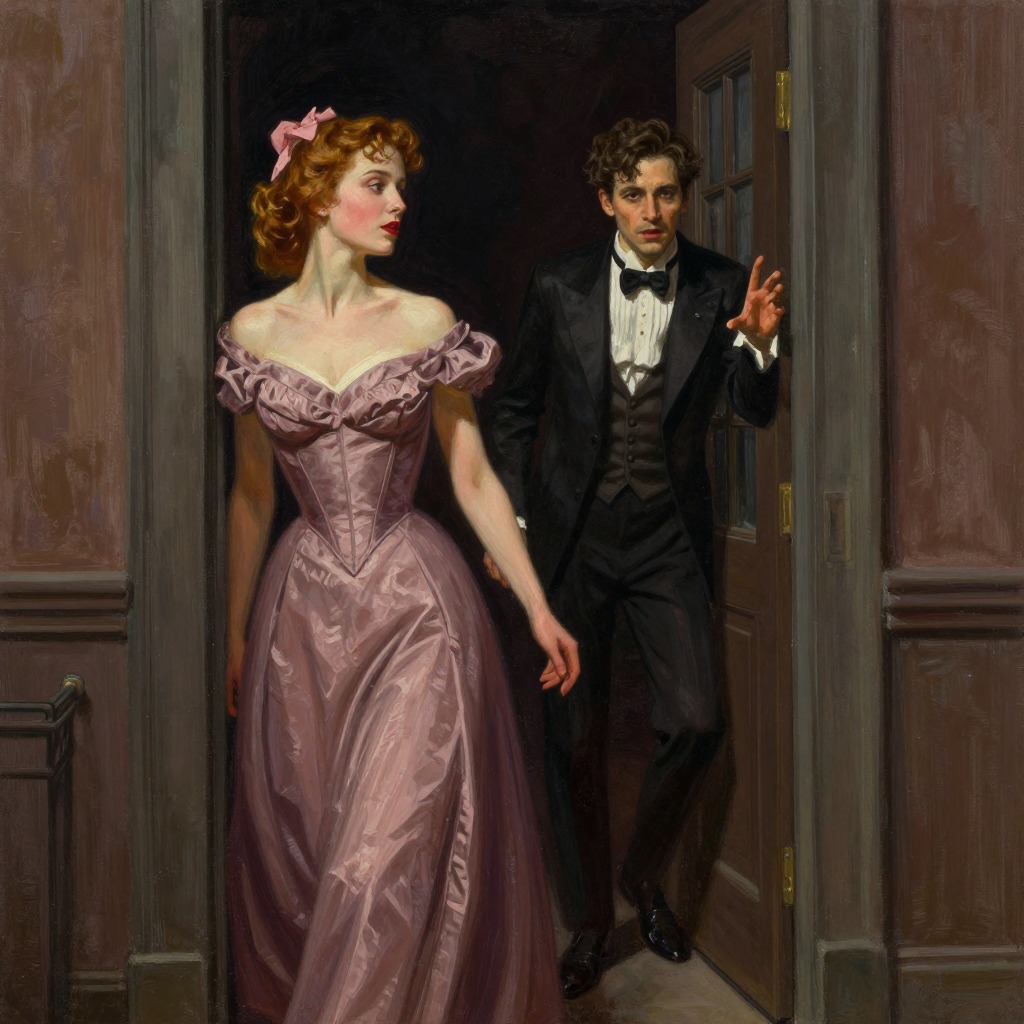
Stanley Kowalski is the engine of conflict in Tennessee Williams's A Streetcar Named Desire, a figure of pure, unapologetic physicality whose arrival onstage announces a world governed by appetite, force, and the will to dominate. As the husband of Stella Kowalski and the brother-in-law of Blanche DuBois, Stanley represents everything the fading antebellum world of Belle Reve is not: coarse, direct, and ruthlessly present. His confrontation with Blanche is not merely personal but elemental, a clash between the dying cult of Southern gentility and the rising tide of industrial America, and his victory—the rape and expulsion of Blanche—is the play's dark, unmitigated conclusion.
Identity and Background
Stanley is introduced as a man of medium height, about five feet eight or nine, and strongly, compactly built, with "animal joy in his being" implicit in all his movements and attitudes. Since earliest manhood, the center of his life has been pleasure with women, the giving and taking of it, not with weak indulgence but with the power and pride of a richly feathered male bird among hens. He sizes women up at a glance, with sexual classifications, crude images flashing into his mind and determining the way he smiles at them. He is a Master Sergeant in the Engineers' Corps, a veteran, and works as a traveling salesman for a plant supply company. He lives with Stella in a two-room flat on Elysian Fields in the French Quarter of New Orleans, a poor but raffish neighborhood where he holds sway as the king of his domain. His background is Polish, a fact he insists on with pride: "I am not a Polack. People from Poland are Poles, not Polacks. But what I am is a one hundred percent American, born and raised in the greatest country on earth and proud as hell of it." He works at a plant, bowls on a team with his friends, and plays poker with a ferocious sense of ownership over his home and his wife.
Arc Through the Plot
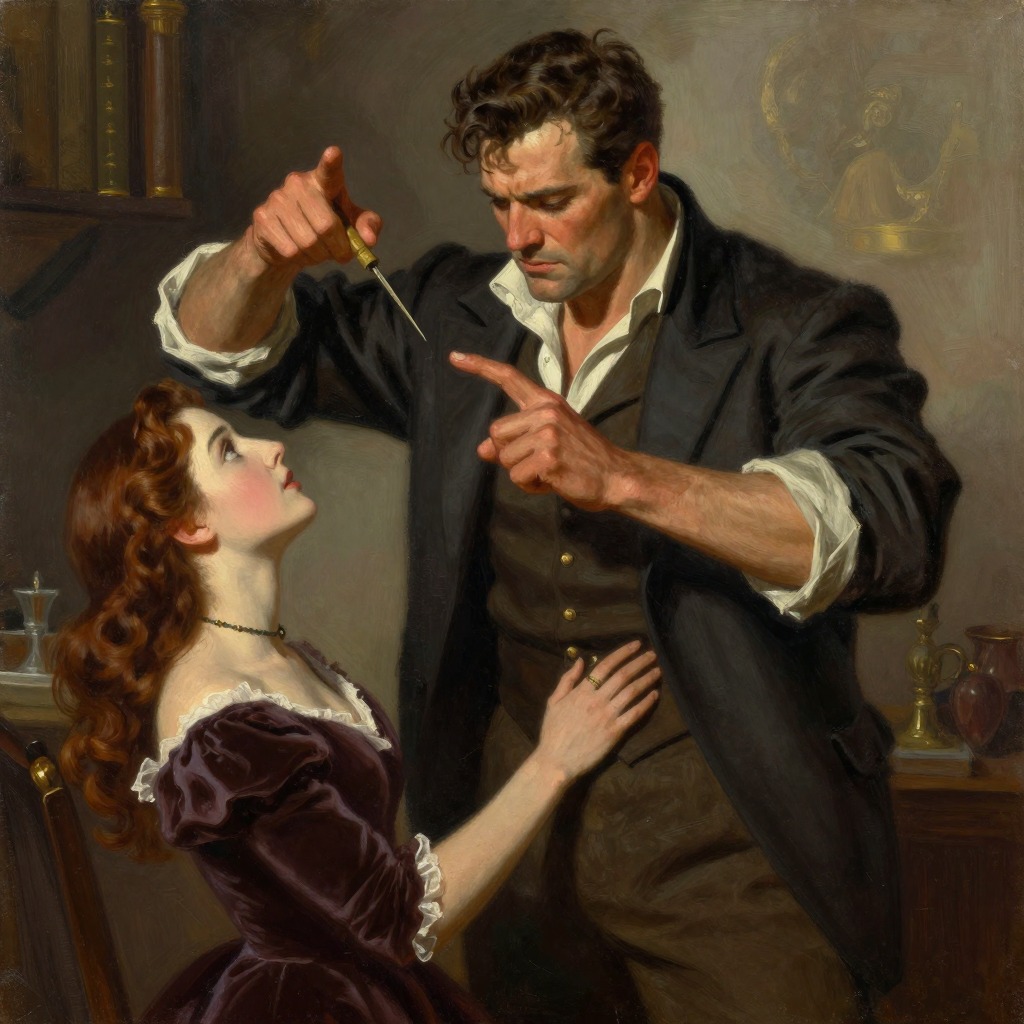
Stanley's trajectory is one of escalating suspicion, exposure, and violent reclamation. From the moment Blanche arrives, he is instinctively hostile, sensing her as a threat to his marriage and his household. He immediately questions the loss of Belle Reve, invoking the Napoleonic code to assert his right to any property that might have belonged to his wife. He rifles through Blanche's trunk, examining her furs and costume jewelry as evidence of fraud. His suspicion hardens into active investigation: he learns from a supply-man who travels through Laurel that Blanche had a notorious reputation at the Flamingo Hotel, that she was asked to leave, and that she was dismissed from her teaching job for an affair with a seventeen-year-old boy. He relays this information to Stella and, more devastatingly, to Mitch, destroying Blanche's chance at marriage. On her birthday, he presents her with a bus ticket back to Laurel, a cruel public humiliation. When Stella goes into labor, Stanley returns home alone, and in the empty apartment he rapes Blanche, an act that completes her destruction. In the final scene, weeks later, he presides over a poker game while a doctor and matron arrive to take Blanche to a state institution; he tears the paper lantern from the light bulb and offers it to her, a final symbolic stripping of her illusions.
Relationships and Conflict
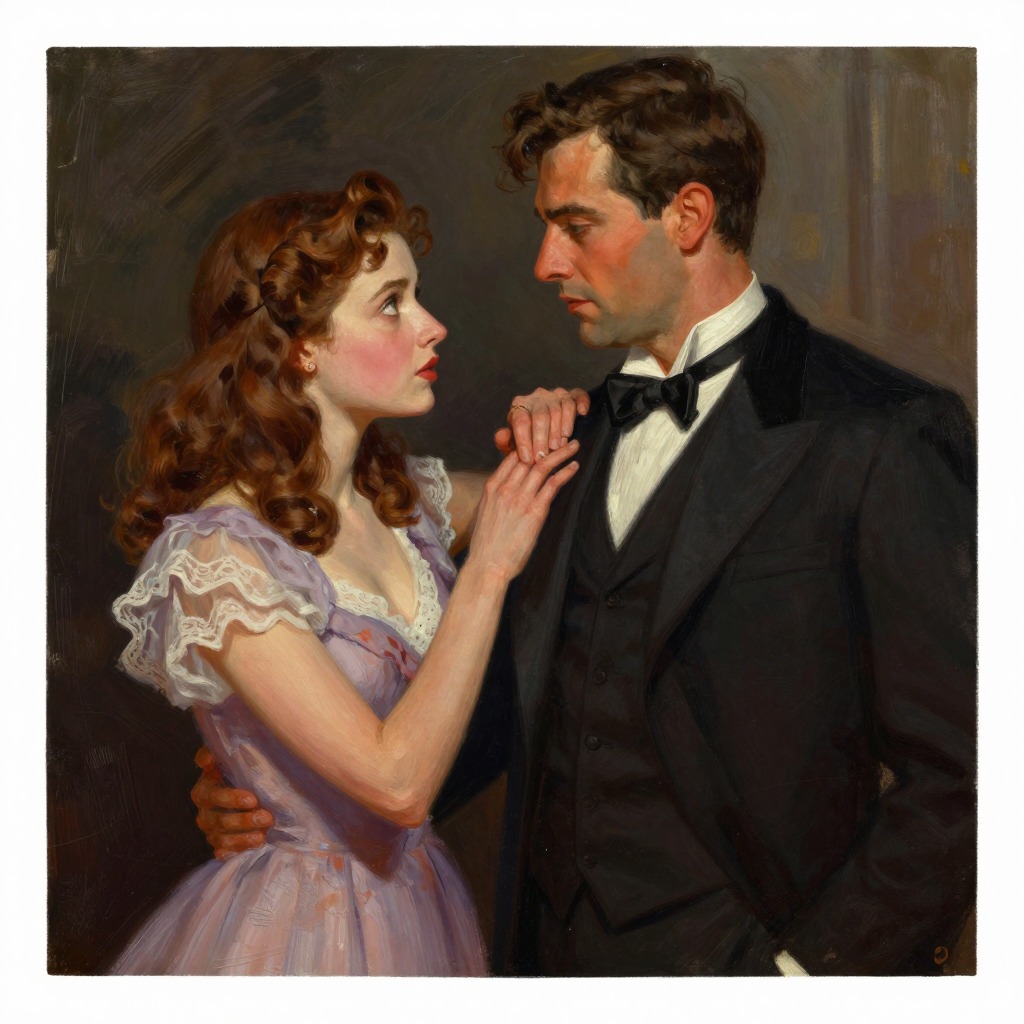
Stanley's relationship with Stella is the play's central paradox: a marriage founded on raw sexual passion that Blanche cannot comprehend. Stella describes their bond in terms of "things that happen between a man and a woman in the dark—that sort of make everything else seem—unimportant." Stanley himself recalls how he "pulled you down off them columns and how you loved it, having them colored lights going!" Their physical reunion after the poker-night violence—when Stella comes down the rickety stairs and they embrace with "low, animal moans"—is the moment that seals Blanche's isolation. Against Blanche, Stanley's antagonism is immediate and total. She calls him "common," "bestial," "ape-like," a "survivor of the stone age." He, in turn, sees her as a fraud and a threat, and he sets out to expose her lies with the methodical satisfaction of a hunter. His friendship with Mitch is genuine but instrumental: he tells Mitch the truth about Blanche's past because he "would have that on my conscience the rest of my life if I knew all that stuff and let my best friend get caught." Yet when Mitch tries to intervene during Blanche's removal, Stanley shoves him aside, and Mitch collapses sobbing at the table.
Change and Ending
Stanley undergoes no moral transformation. He ends the play as he began: triumphant, in control, and sexually possessive. After Blanche is led away by the doctor, he goes to Stella, who is sobbing on the porch, and kneels beside her, his fingers finding the opening of her blouse, murmuring "Now, honey. Now, love. Now, now, love." The play's final image is of Stanley's world restored: the poker game resumes, the "blue piano" swells, and Stella's surrender to his embrace is described as "luxurious." His victory is complete, but it is the victory of a world that has no place for Blanche's poetry, her paper lanterns, or her desperate need for kindness. Arthur Miller, in his introduction, called Stanley "a tiger on the loose, a sexual terrorist" who "roared out Williams' celebratory terror of sex, its awful truthfulness and its inexorable judgments." The play does not judge Stanley; it simply shows him as he is, and that is perhaps the most damning judgment of all.
Thematic Significance
Stanley Kowalski is the embodiment of what Blanche calls "the opposite" of death: desire. He is the streetcar named Desire that bangs through the Quarter, the force that cannot be denied or refined. In Marxist terms, he represents the rising industrial working class that displaces the old agrarian aristocracy; in Nietzschean terms, he is the Dionysian principle that shatters Apollonian illusion. His victory is the victory of the real over the ideal, of the body over the spirit, of the present over the past. But the play refuses to celebrate this victory. Stanley is not a villain in the conventional sense—he is simply a man who gets what he wants, and what he wants is his wife, his home, and his dominance. The tragedy is not that Stanley is evil, but that the world he represents has no room for the kind of fragile, beautiful, self-deceiving humanity that Blanche embodies. As Williams himself wrote, "I don't believe in villains or heroes—only right or wrong ways that individuals have taken, not by choice but by necessity or by certain still-uncomprehended influences in themselves, their circumstances, and their antecedents." Stanley is one of those individuals, and his triumph is the play's most devastating irony.