Joseph Behm
Joseph Behm is a minor but symbolically crucial figure in Paul Bäumer's narrative, representing the individual conscience that was overridden by peer pressure and patriotic exhortation, and whose early death exposes the lethal gap between the rhetoric of the older generation and the reality of the war. He is remembered not for his actions at the front but for the circumstances of his enlistment and the manner of his dying, which together crystallize the novel's indictment of the schoolmaster Kantorek and the system that sent a generation to its destruction.
Identity and Background
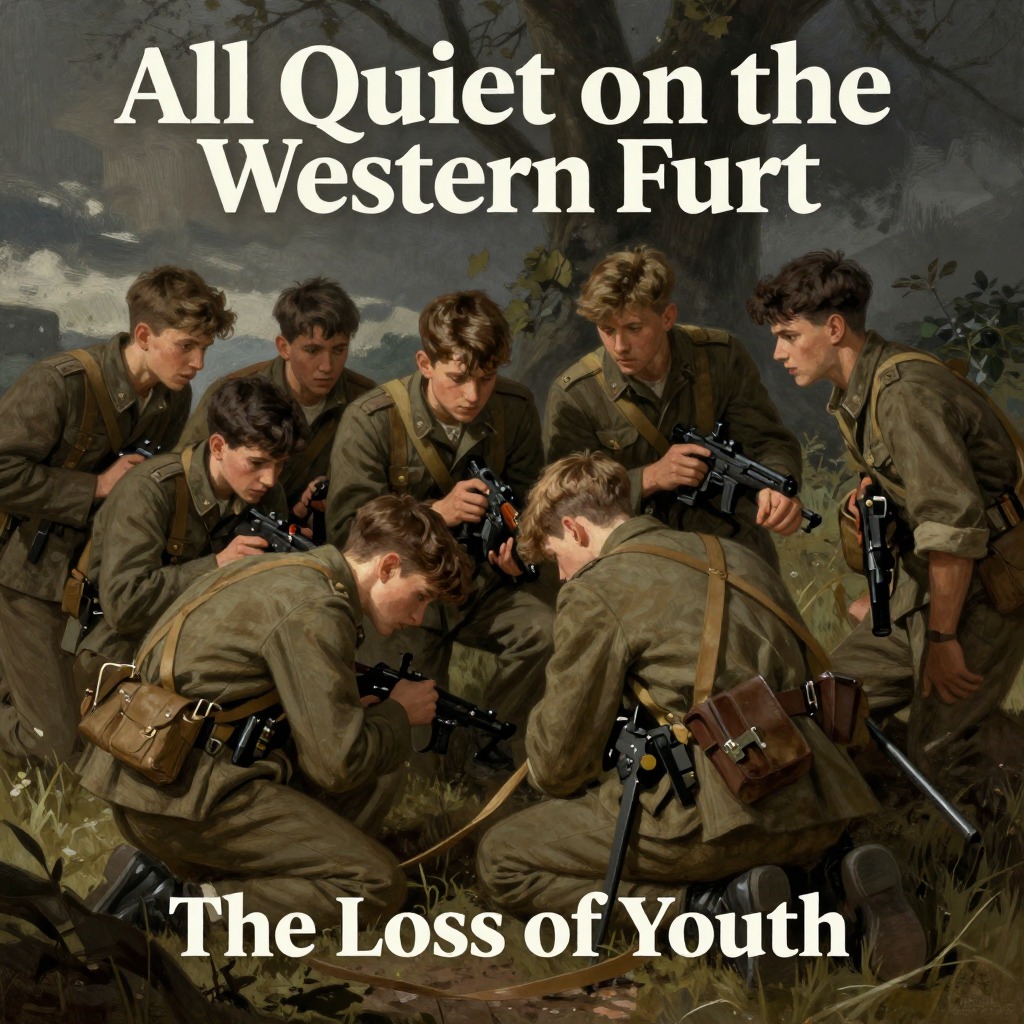
Behm is described as a plump, homely fellow, one of the twenty young men in Paul's class who went to the District Commandant to volunteer under the shepherding of their schoolmaster, Kantorek. Unlike most of his classmates, Behm hesitated and did not want to fall into line. He allowed himself to be persuaded only because he would otherwise have been ostracized. Paul reflects that perhaps more of the class thought as Behm did, but no one could stand out, because even their parents were ready with the word "coward." The wisest, Paul notes, were the poor and simple people, who knew the war to be a misfortune, whereas those who were better off were beside themselves with joy. Katczinsky later remarks that this was a result of their upbringing, which made them stupid.
Death and Its Circumstances
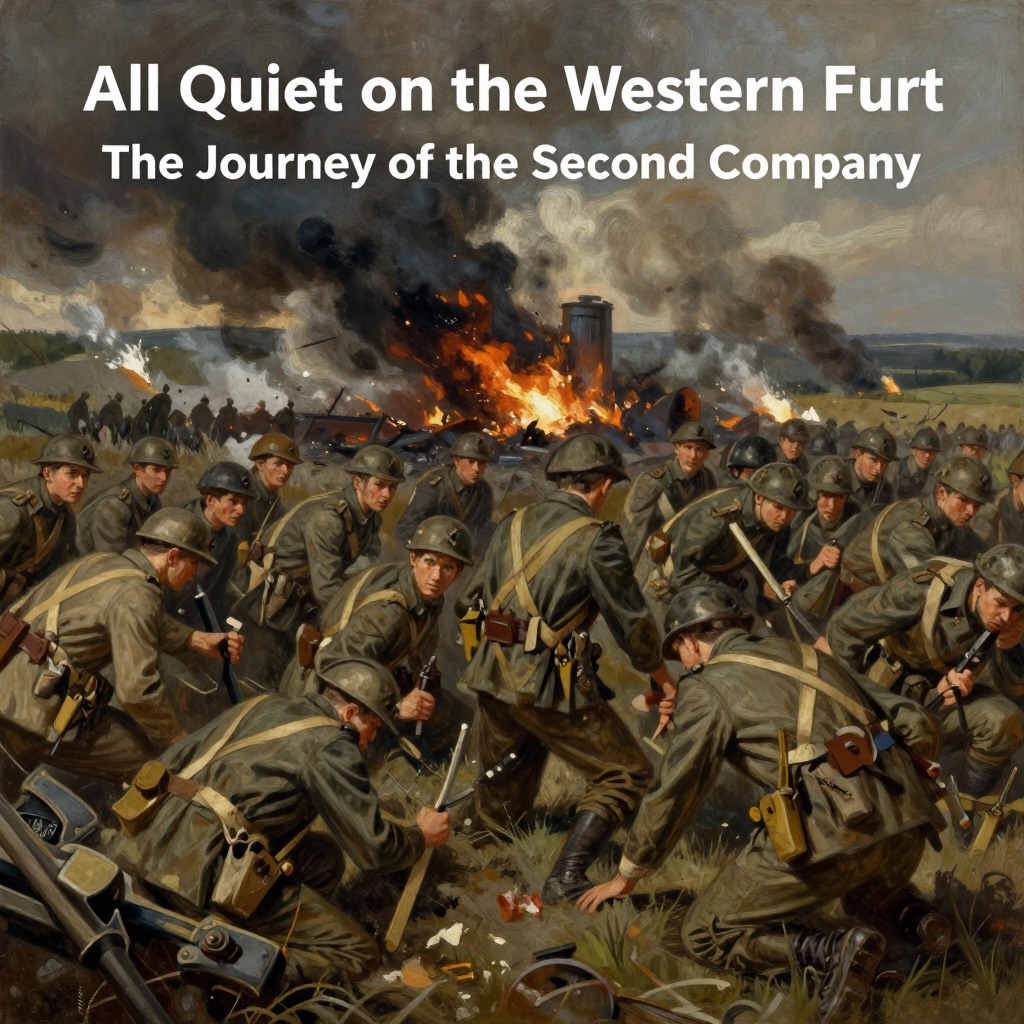
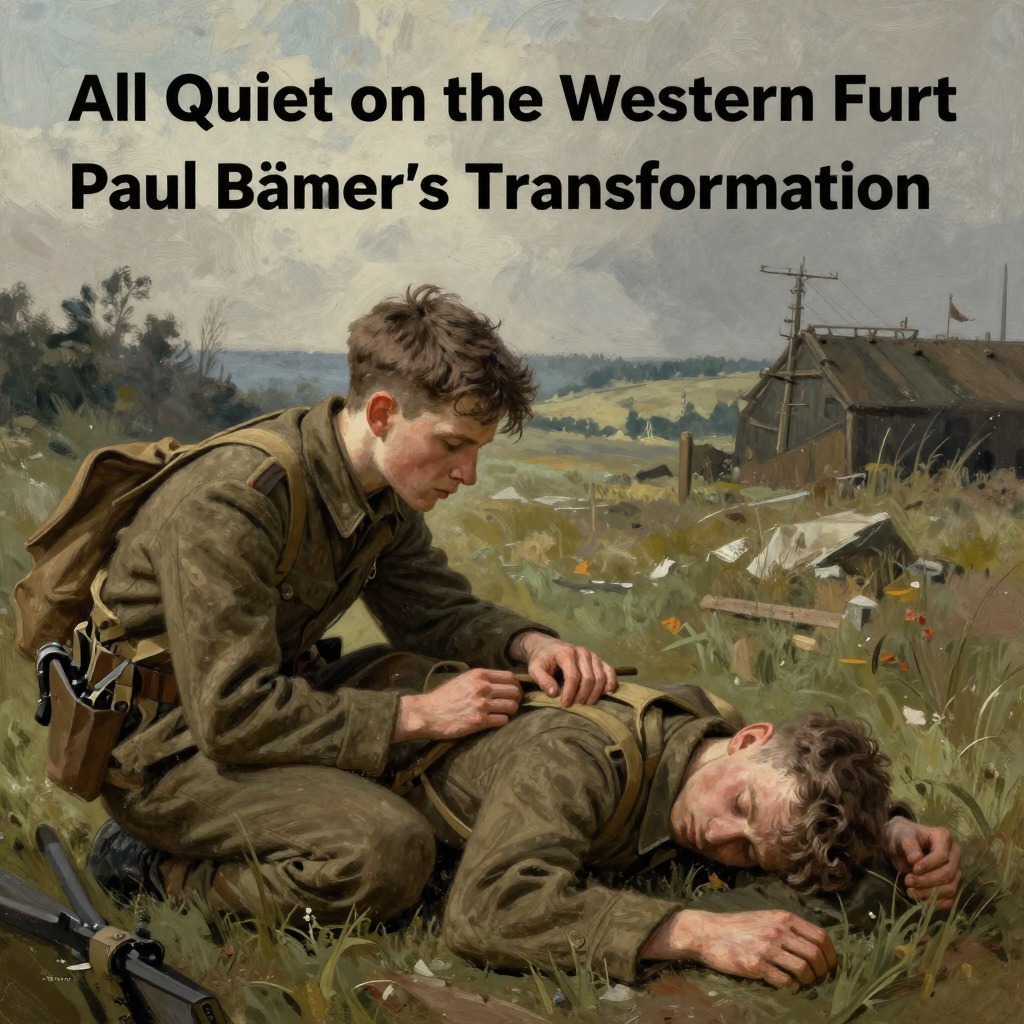
Strange to say, Behm was one of the first to fall. He was hit in the eye during an attack, and his comrades left him lying for dead, unable to bring him with them because they had to come back helter-skelter. In the afternoon, they suddenly heard him call and saw him crawling about in No Man's Land. Because he could not see and was mad with pain, he failed to keep under cover, and was shot down before anyone could go and fetch him in. His death is thus a drawn-out, visible, and agonizing process, not a clean battlefield end.
Thematic Significance: The Failure of Authority
Paul explicitly connects Behm's fate to Kantorek's influence. He reflects that naturally they could not blame Kantorek for this—where would the world be if one brought every man to book? There were thousands of Kantoreks, all convinced they were acting for the best in a way that cost them nothing. And that, Paul concludes, is why they let the young men down so badly. Behm's death becomes the first concrete proof that the world as the teachers had taught it—the world of duty, culture, and progress—had broken in pieces under the first bombardment. The idea of authority, which the teachers represented, was associated in the young men's minds with greater insight and more humane wisdom, but the first death they saw shattered this belief. Paul recognizes that his generation was more to be trusted than theirs.
Narrative Role and Evaluation
Behm functions as a cautionary figure and a touchstone for the theme of lost youth. He is one of the seven from Paul's class who are dead by the time of the armistice, and his story is invoked by Mittelstaedt when he confronts Kantorek after the latter has been conscripted as a territorial. Mittelstaedt reminds Kantorek that among those he preached into enlisting was Joseph Behm, who did not want to enlist and was killed three months before he would have been called up in the ordinary way. If it had not been for Kantorek, Mittelstaedt says, Behm would have lived just that much longer. Behm's name thus becomes a weapon of moral accusation, a permanent indictment of the schoolmaster's role in the war.