Reldresal
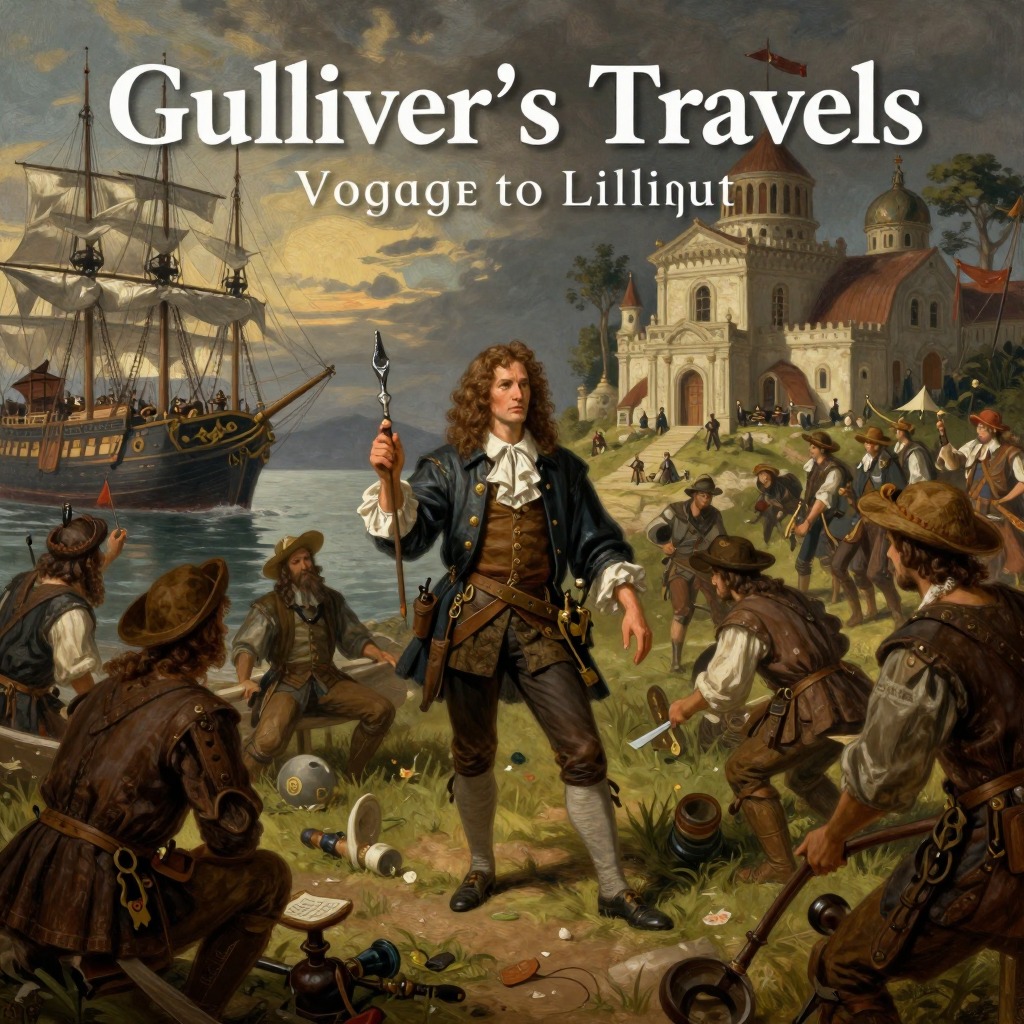
Reldresal, the Principal Secretary for Private Affairs in Lilliput, is the most significant political ally Gulliver gains during his captivity. He is a figure of considerable skill and influence, described by Gulliver as second only to the treasurer Flimnap in the art of rope-dancing, a courtly competition that determines high office. More importantly, he is the conduit through which Gulliver learns of the empire's precarious political state, and he ultimately becomes the architect of a compromise that spares Gulliver's life while condemning him to a terrible mutilation.
Role as Informant and Ally
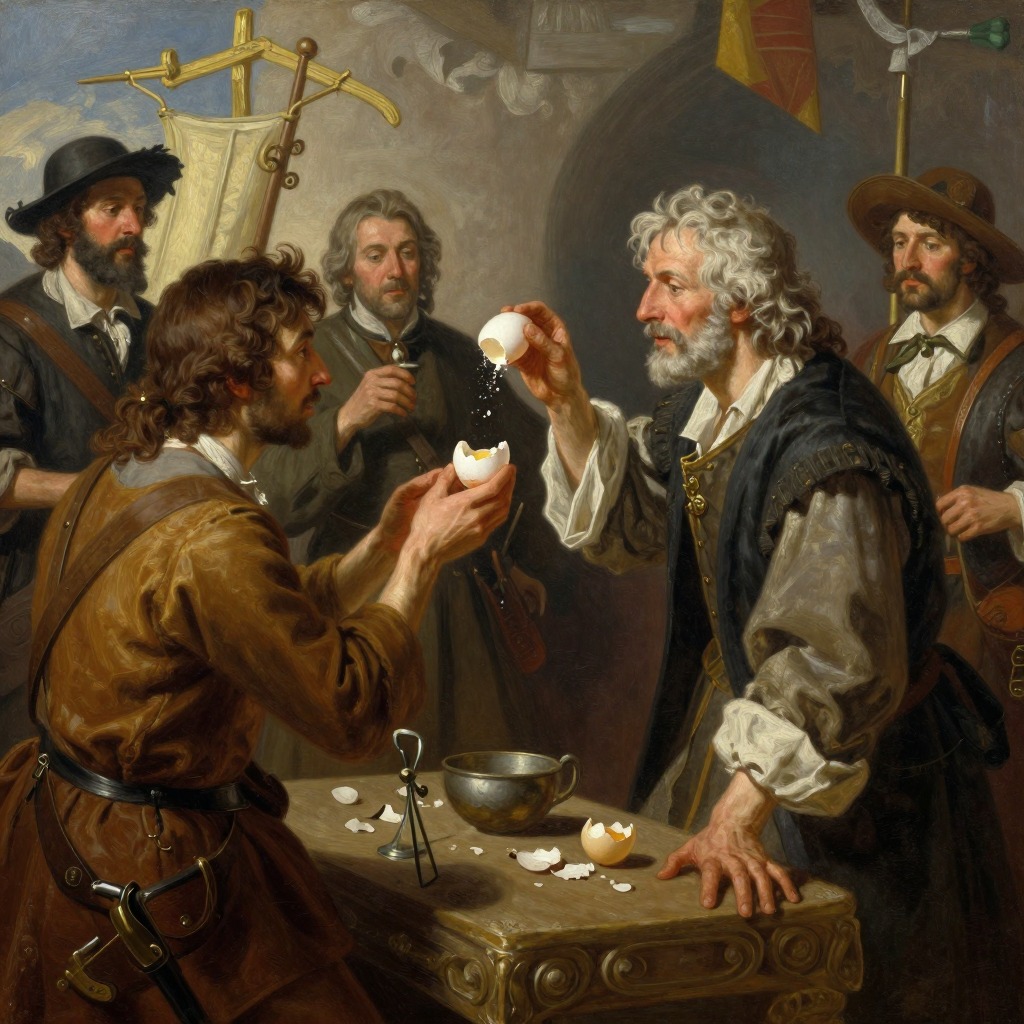
Reldresal first demonstrates his importance to Gulliver about a fortnight after Gulliver obtains his liberty. He arrives at Gulliver's house, attended only by one servant, and requests a private audience. Rather than have Gulliver lie down to speak at ear-level, Reldresal chooses to be held in Gulliver's hand during their conversation, a gesture of trust and intimacy. In this meeting, he lays bare the two great evils threatening Lilliput: a violent internal faction between the Tramecksan (high heels) and Slamecksan (low heels), and the imminent threat of invasion from the island empire of Blefuscu. He explains the absurd origin of the war—the Big-endian controversy over which end of an egg to break—and details the immense losses both empires have suffered over thirty-six moons. This briefing is the catalyst for Gulliver's offer to serve the emperor in his wars, setting the stage for the capture of the Blefuscu fleet.
Advocate for a Brutal Compromise
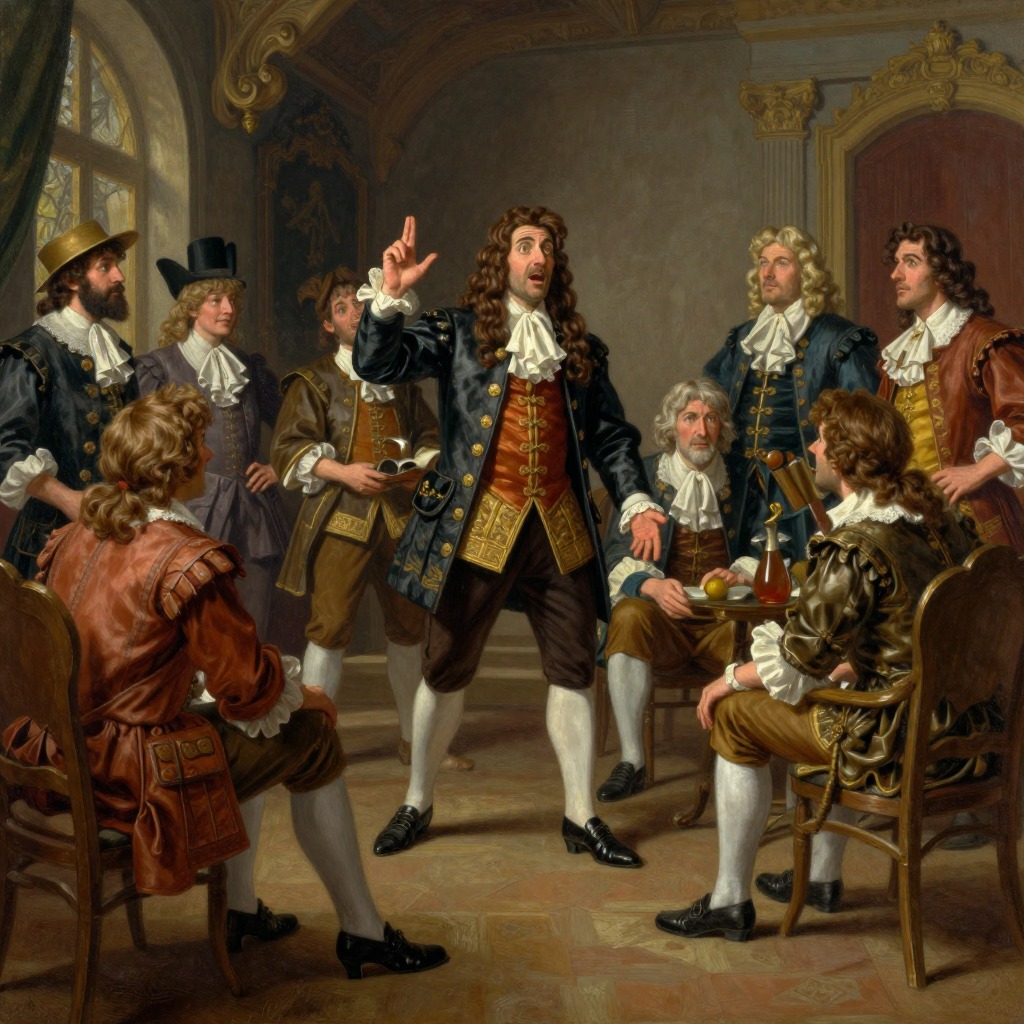
Reldresal's most consequential act occurs during the secret conspiracy against Gulliver. When a cabal of ministers, including Skyrris Bolgolam and Flimnap, draws up articles of impeachment for high treason, the emperor commands Reldresal to deliver his opinion. Despite his known friendship with Gulliver, Reldresal does not argue for full acquittal. Instead, he proposes a middle path: that Gulliver's life be spared, but that both his eyes be put out. He argues that this would satisfy justice while allowing the emperor to display his celebrated lenity, and that blindness would not diminish Gulliver's bodily strength, making him still useful. He further suggests that the loss of eyes would remove Gulliver's greatest fear, which had been the only difficulty in capturing the enemy fleet. This proposal, though horrifying, is presented as a merciful alternative to the death sentence demanded by Bolgolam and Flimnap, who advocated for poisoning, starvation, or a fiery execution.
The Starvation Plot and Final Intervention
When the council rejects the eye-gouging sentence as too lenient, Reldresal speaks again. He counters the treasurer's objection about the cost of maintaining Gulliver by proposing a gradual reduction of his food allowance, which would cause him to weaken and die over several months. He then adds a grotesque detail: upon Gulliver's death, five or six thousand subjects could cut the flesh from his bones, cart it away, and bury it in distant parts to prevent infection, leaving the skeleton as a monument. This plan, which combines slow starvation with posthumous dismemberment, is the one that the council ultimately compromises upon, keeping the starvation plot secret while officially entering the sentence of blinding into the records. Reldresal's intervention thus directly shapes the terms of Gulliver's peril, demonstrating his pragmatic, if ruthless, political maneuvering. It is this inside knowledge, delivered by a friend at court, that prompts Gulliver's desperate escape to Blefuscu.