Mr. Lloyd
Mr. Lloyd, the apothecary sometimes summoned by Mrs. Reed when the servants were ailing, plays a small but decisive role in Jane Eyre's early life. He is the first adult outsider to hear Jane's account of her suffering at Gateshead, and his professional recommendation that she be sent away to school directly precipitates her removal from the Reeds' household. Years later, his written testimony to Miss Temple provides the external corroboration that publicly clears Jane of the charge of deceit leveled by Mr. Brocklehurst.
Identity and Role at Gateshead
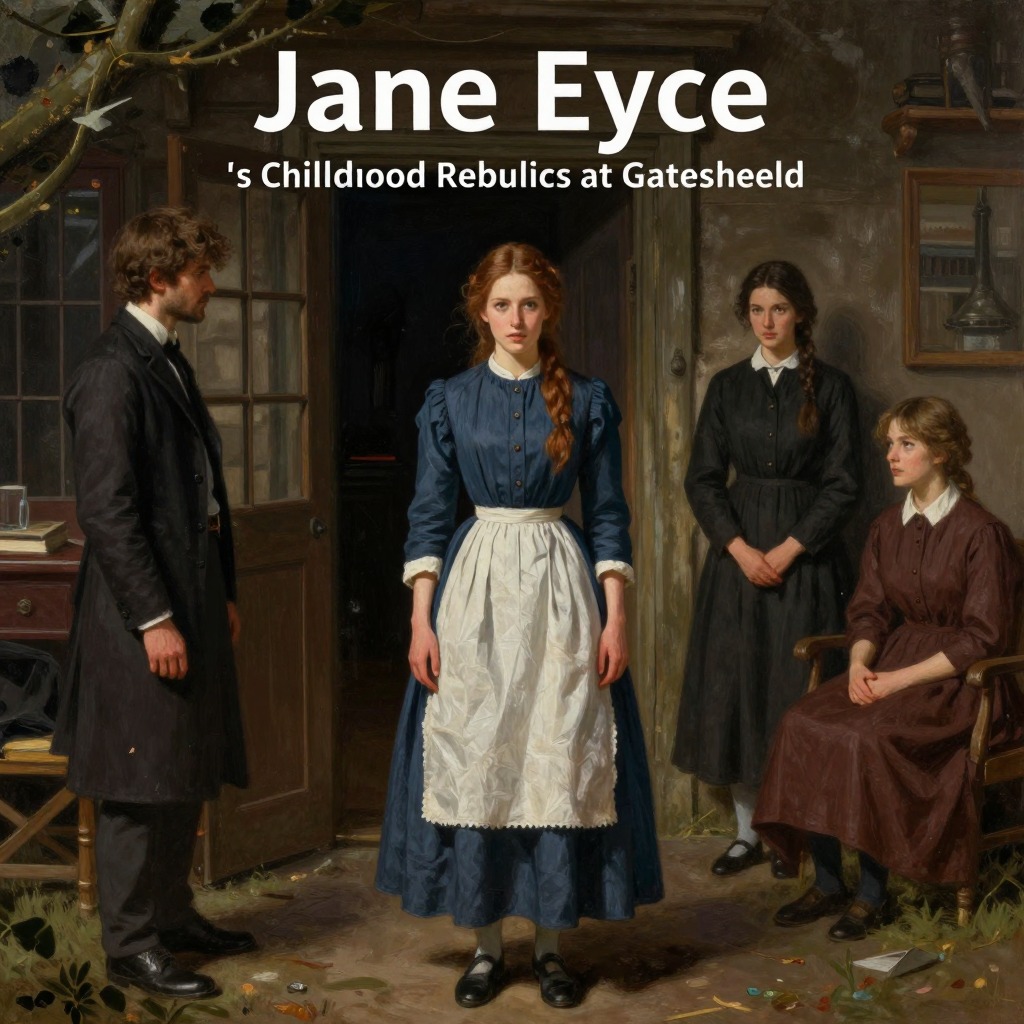
Mr. Lloyd is a gentleman of the apothecary's profession, called in by Mrs. Reed only when the servants were ill; for herself and her children she employed a physician. He is described as having a hard-featured yet good-natured face, with small, shrewd grey eyes. When he first appears at Jane's bedside after her collapse in the red-room, Jane feels an inexpressible relief and a soothing conviction of protection and security simply because he is a stranger not belonging to Gateshead and not related to Mrs. Reed. He treats her with a gentle, professional kindness that contrasts sharply with the hostility she has endured: he takes her hand, smiles, and charges Bessie to be careful not to disturb her during the night.
Intervention and Recommendation
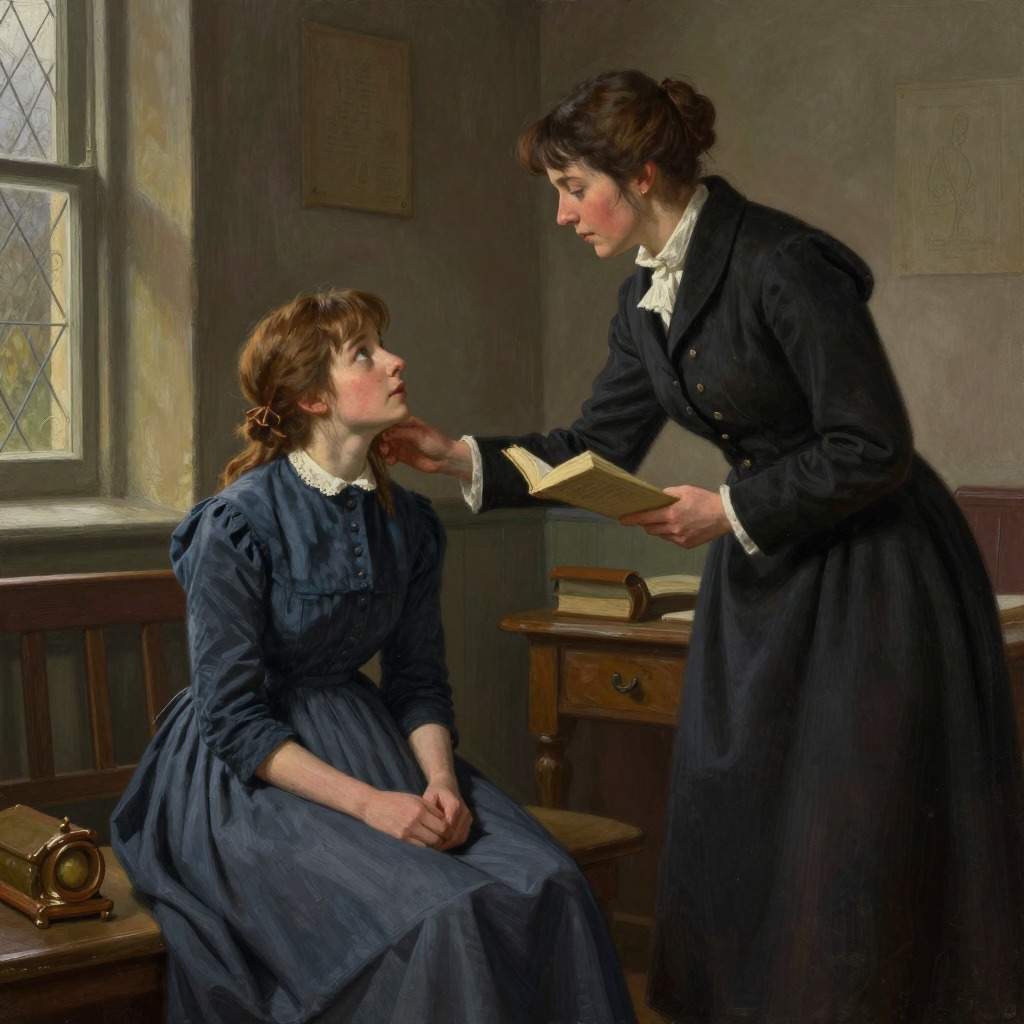
During his second visit the following morning, Mr. Lloyd draws Jane into a conversation that becomes the turning point of her childhood. When Bessie attributes Jane's tears to pettishness about missing a carriage ride, Jane indignantly corrects her: "I never cried for such a thing in my life: I hate going out in the carriage. I cry because I am miserable." Mr. Lloyd persists in questioning her, and Jane reveals that she was shut up in the red-room after dark, that John Reed knocked her down, and that she has no parents or siblings. When Mr. Lloyd asks if she would like to go to school, Jane, after reflecting on Bessie's accounts of the accomplishments taught there, answers that she would indeed like to go. Mr. Lloyd, speaking to himself, remarks that "the child ought to have change of air and scene; nerves not in a good state." He then seeks an interview with Mrs. Reed, and from after-occurrences it is presumed he recommended that Jane be sent to school—a recommendation Mrs. Reed readily adopted, being, as Abbot said, "glad enough to get rid of such a tiresome, ill-conditioned child."
Later Corroboration and Vindication
Mr. Lloyd's role extends beyond Gateshead. After Mr. Brocklehurst publicly denounces Jane as a liar at Lowood, Miss Temple writes to Mr. Lloyd to inquire into the truth of Jane's account of her childhood. His reply corroborates Jane's story, and Miss Temple assembles the whole school to announce that Jane has been completely cleared from every imputation. The teachers shake hands with her and kiss her, and a murmur of pleasure runs through the ranks of her companions. This vindication, made possible by Mr. Lloyd's honest testimony, allows Jane to begin her life at Lowood afresh, freed from the stigma that had threatened to isolate her permanently.
Narrative Significance
Mr. Lloyd functions as a catalyst for Jane's escape from Gateshead and as an external validator of her truthfulness. He is the first person in the novel who listens to Jane seriously and acts on what she says, setting in motion the chain of events that leads her to Lowood and, ultimately, to Thornfield. His brief but crucial appearances illustrate the power of a single sympathetic witness to alter the course of a life, and his corroboration of Jane's story underscores the novel's theme that truth, once spoken and believed, can overcome slander and oppression.