Colonel Arbuthnot
Colonel Arbuthnot is a British Army officer traveling from India to England on the Orient Express, who becomes a key suspect in the murder of Samuel Edward Ratchett due to a pipe-cleaner found at the crime scene, but is ultimately revealed to be one of the twelve conspirators executing private vengeance for the Armstrong kidnapping case.
Identity and Background
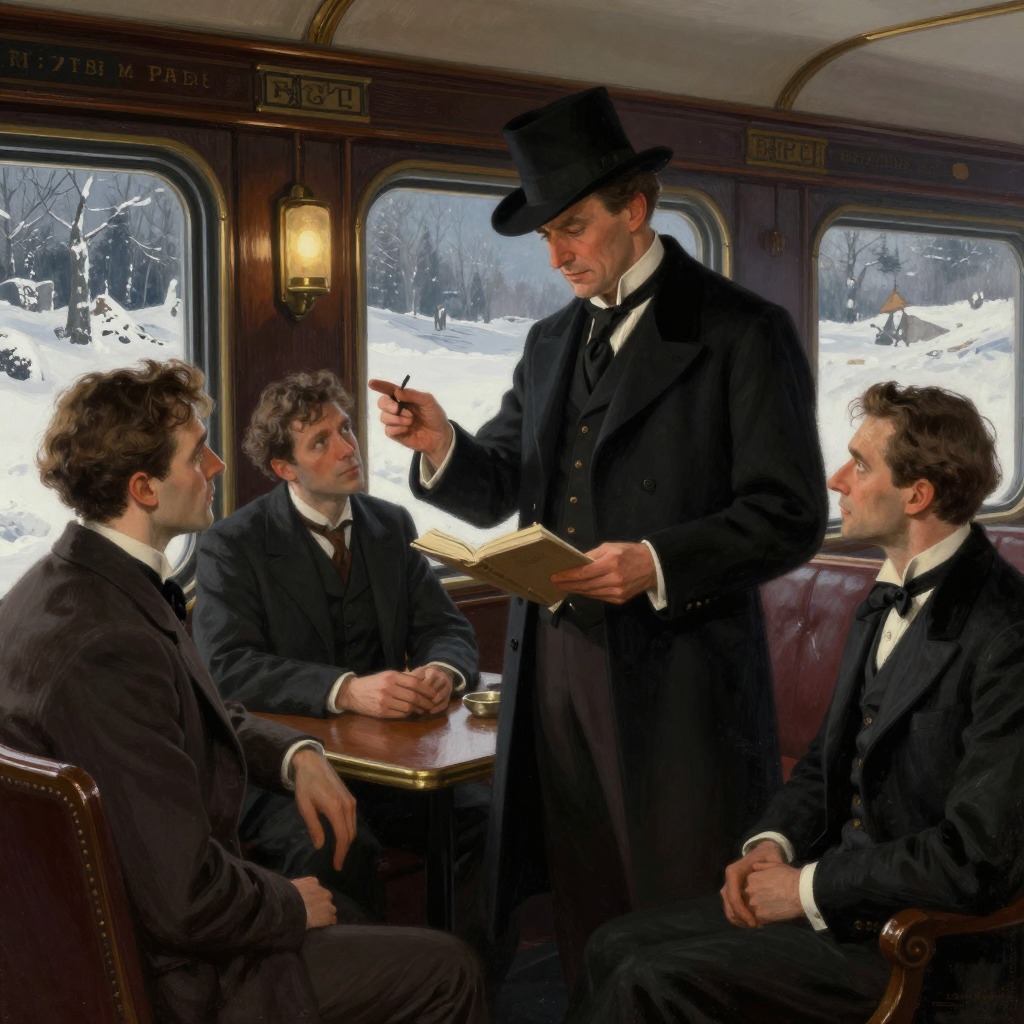
Colonel Arbuthnot is a lean, brown-skinned man of between forty and fifty, with hair slightly grizzled around the temples. He is a decorated soldier who won the Victoria Cross and served in India for nearly thirty years. He is introduced on the Taurus Express from Aleppo to Constantinople, where he shares a table with Mary Debenham, a young English governess returning from Baghdad. Their conversation reveals mutual acquaintances in the Punjab and a growing intimacy, though Arbuthnot maintains a stiff, reserved demeanor typical of his class. He is described by Hercule Poirot as having a "square line of his jaw" and a "grim" expression, and he speaks with true British brevity, showing little patience for foreigners. His military bearing and upright character are emphasized throughout the investigation.
Arc Through the Plot
Arbuthnot's journey on the Orient Express is marked by his developing relationship with Mary Debenham and his role in the murder conspiracy. On the first day of the journey, he and Debenham share meals and conversation, and he expresses concern about her position as a governess. At Konya station, Poirot overhears Debenham telling Arbuthnot, "Not now. Not now. When it's all over. When it's behind us," a phrase that later becomes a crucial clue. On the second night, Arbuthnot spends hours talking with Hector MacQueen, Ratchett's secretary, in MacQueen's compartment, discussing world politics and India. He provides an alibi for MacQueen from midnight to 1:30 a.m., and MacQueen reciprocates. After the murder is discovered, Arbuthnot is interviewed by Poirot and denies any knowledge of the crime, but his pipe-cleaner is found in Ratchett's compartment. In a second interview, he refuses to explain the overheard conversation with Debenham, citing a lady's secret. When Poirot reveals that Debenham was a governess in the Armstrong household, Arbuthnot becomes fiercely protective, threatening violence against Poirot. Ultimately, he is revealed as one of the twelve conspirators, having been Colonel Armstrong's best friend and a fellow soldier who saved Armstrong's life in the war.
Relationships and Conflict
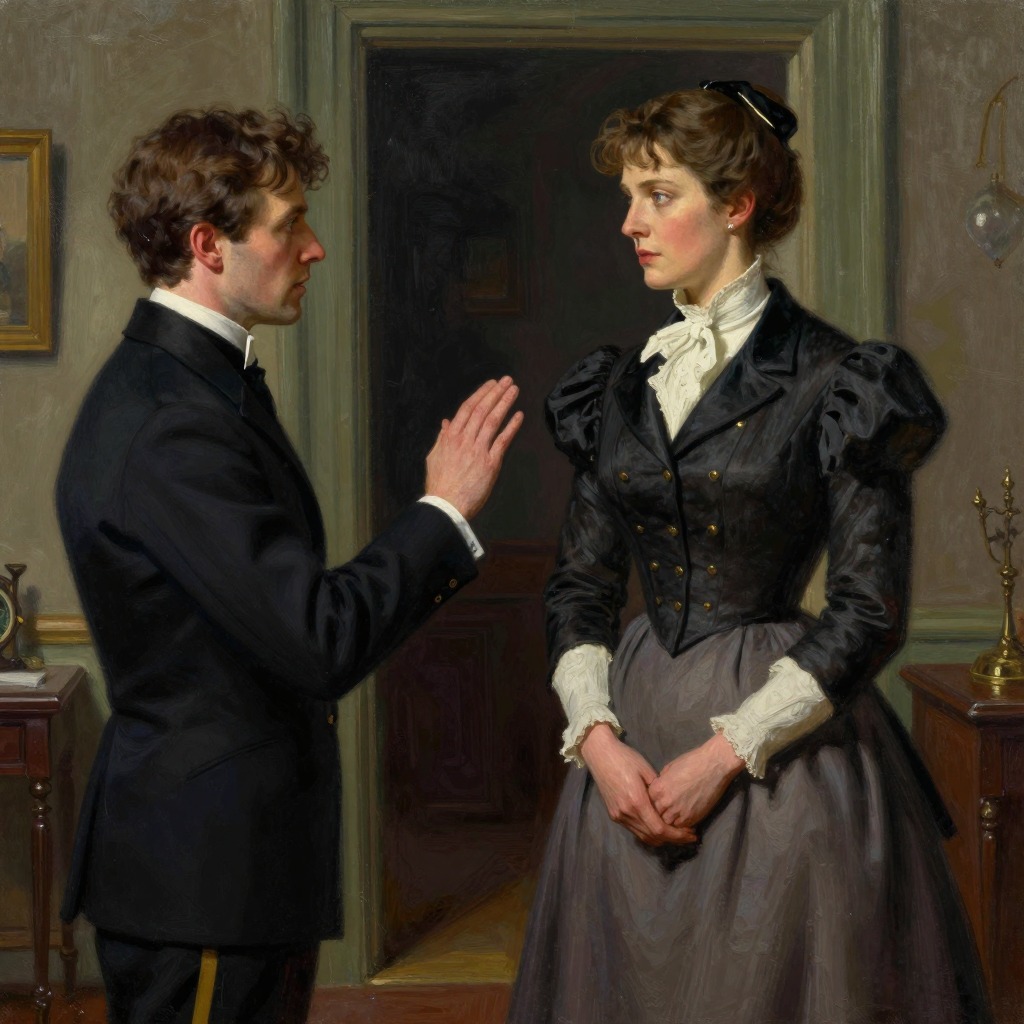
Arbuthnot's primary relationship is with Mary Debenham, whom he calls by her first name despite claiming to have met her only days before. Poirot notes that this intimacy is inconsistent with the Colonel's reserved English character, suggesting a pre-existing connection. Arbuthnot is also closely tied to Colonel Armstrong, the victim's father, whom he knew as "Toby Armstrong" and describes as a "nice fellow" with a distinguished career. His loyalty to Armstrong drives his participation in the conspiracy. He is initially hostile to Poirot, viewing him as a "damned foreigner" and resenting his questions. His conflict with Poirot escalates when Poirot presses Debenham about her past, leading Arbuthnot to threaten physical violence. Despite his anger, Arbuthnot maintains a code of honor, refusing to betray Debenham's secret even under suspicion.
Change and Ending
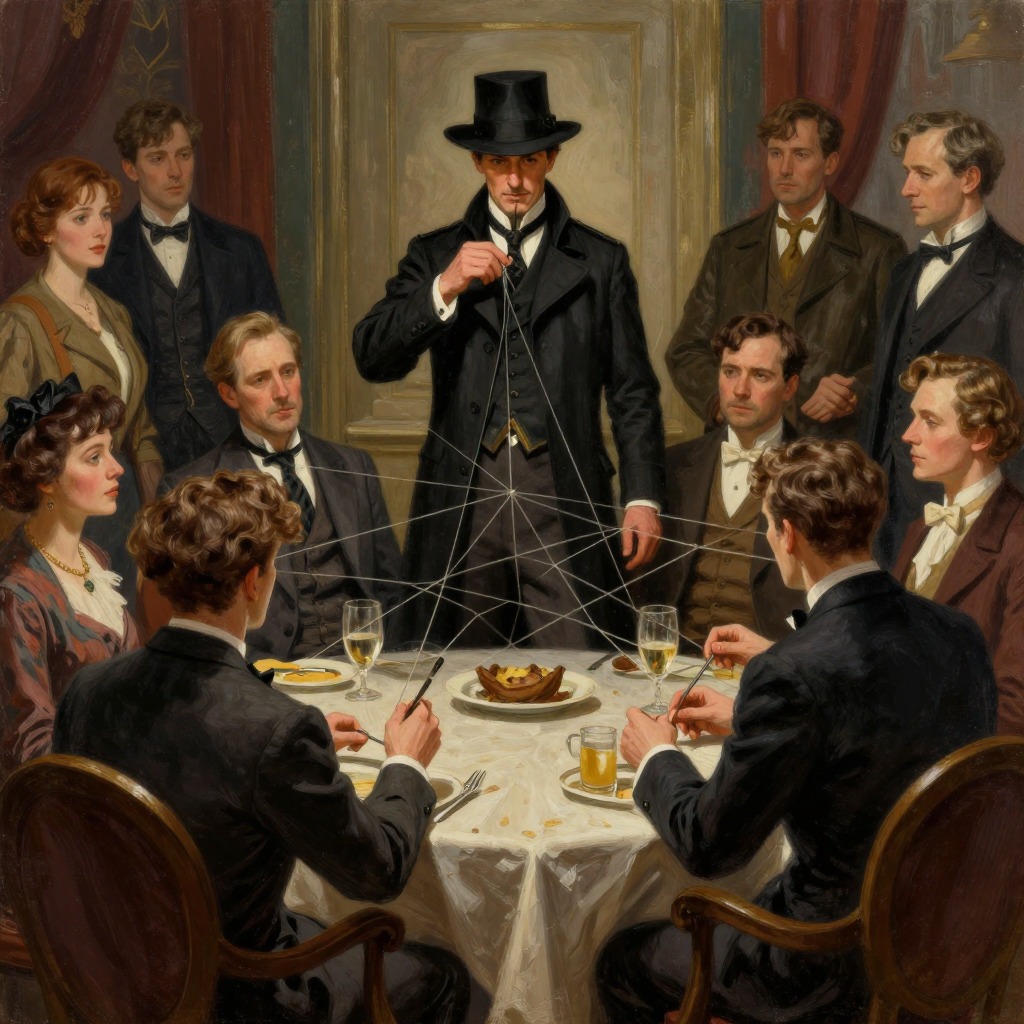
Arbuthnot's transformation is from a seemingly upright, aloof British officer to a committed member of a vigilante jury. He is the one who insisted on having twelve conspirators, believing it made the execution "more in order." He initially objected to the stabbing method but agreed it solved practical difficulties. In the final scene, when Linda Arden (disguised as Mrs. Hubbard) confesses, Arbuthnot is present as a silent participant, his role confirmed by her statement that he was there on the day of the tragedy. Poirot's second solution reveals that Arbuthnot, along with the others, entered Ratchett's compartment and stabbed him, each delivering one of the twelve wounds. The novel ends with Arbuthnot's fate left ambiguous, as M. Bouc and Dr. Constantine accept Poirot's first, false solution, allowing the conspirators to go free.
Thematic Significance
Arbuthnot embodies the tension between law and private justice. As a soldier and a gentleman, he represents the British establishment's commitment to order, yet he willingly participates in an extrajudicial execution. His insistence on a jury of twelve mirrors the legal system he claims to uphold, but the jury is self-appointed and its verdict is death. His character illustrates how personal loyalty and grief can override legal principles, and how even the most honorable individuals can become complicit in collective vengeance. His relationship with Debenham also highlights the theme of love as a motivating force, as their mutual affection is intertwined with their shared mission.