Mrs. Maylie
Mrs. Maylie is the elderly, benevolent matriarch who, together with her niece Rose Maylie, rescues the wounded Oliver Twist and provides him with a loving home, embodying the novel's ideal of Christian charity and domestic virtue in stark contrast to the institutional cruelty of the parish workhouse and the predatory criminal underworld of Fagin and Sikes.
Identity and Background
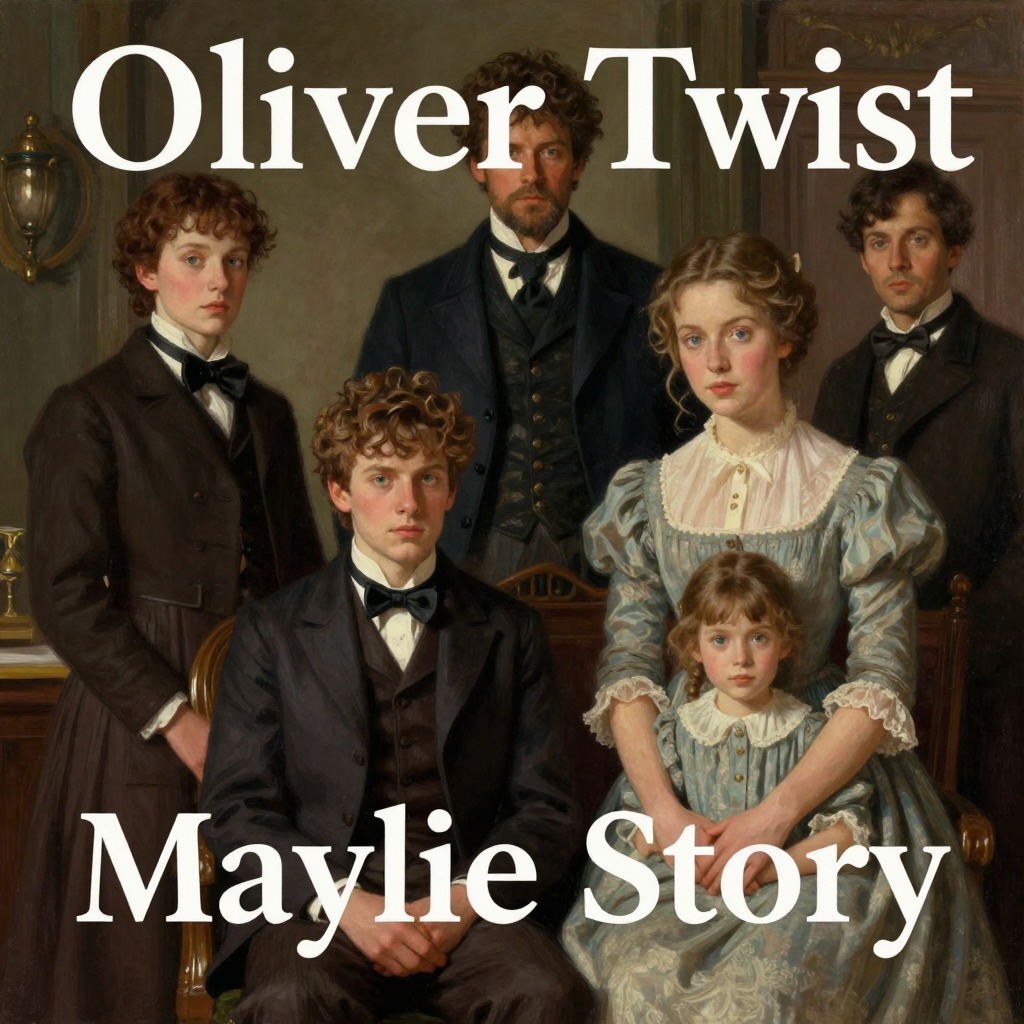
Mrs. Maylie is introduced as the mistress of a handsome, old-fashioned country house near Chertsey, where she lives with her beautiful young niece, Rose Maylie. She is described as a lady "well advanced in years" but still upright and precise, dressed in a quaint mixture of by-gone costume with slight concessions to prevailing taste. Her eyes, though dimmed by age, retain much of their brightness, and she sits in a stately manner with her hands folded. She is the mother of Harry Maylie, a young man of about five-and-twenty who bears a strong likeness to her. Her household includes the loyal butler and steward Mr. Giles and the slow-witted lad-of-all-work Brittles. Her life before the events of the novel has been marked by deep personal loss: she speaks of having "bestowed my dearest love" on those who now "lie deep in their graves," and of having suffered "great pain and sorrow." This experience of grief has not hardened her heart but, as she tells Oliver, has "strengthened and refined" her affections, a philosophy she later puts into practice.
Rescue of Oliver and Maternal Care
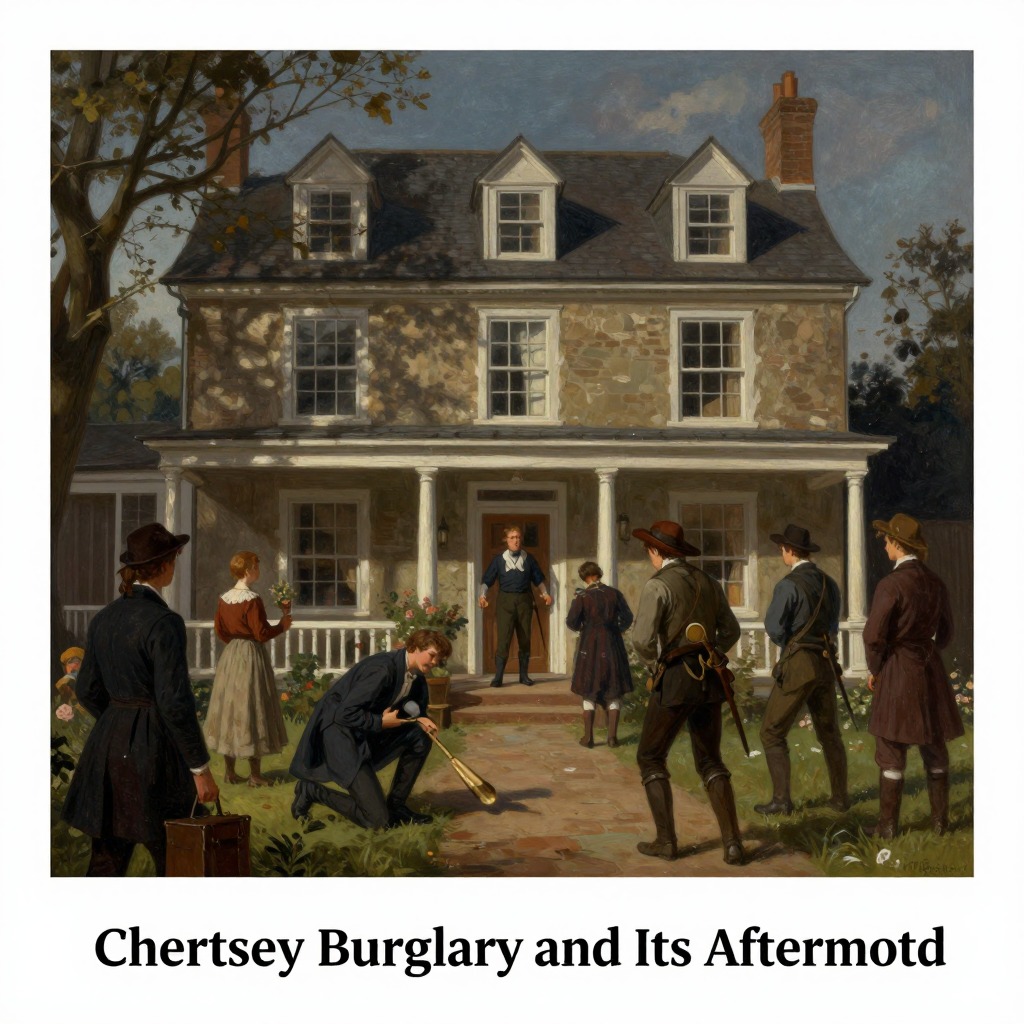
When Oliver, shot and left for dead after the failed burglary at her house, crawls to her door, Mrs. Maylie's first instinct is compassion. She overrides the initial suspicion of her servants and, guided by the doctor Mr. Losberne, agrees to see the boy. Upon beholding the "mere child" worn with pain and exhaustion, she exclaims, "This poor child can never have been the pupil of robbers!" and immediately resolves to protect him. When Rose pleads for mercy, Mrs. Maylie folds her in her arms and declares, "do you think I would harm a hair of his head?" and "my days are drawing to their close: and may mercy be shown to me as I show it to others!" She authorizes Mr. Losberne to manage the situation with the Bow Street officers, Blathers and Duff, to shield Oliver from prosecution. She provides bail for him and, once he recovers, takes him with her to a country cottage, where she oversees his education and moral development. She treats him with unwavering kindness, and Oliver becomes "completely domesticated" with her, his "fervent attachment" repaid by her "pride in, and attachment to, himself."
Relationship with Rose Maylie and Harry
Mrs. Maylie's deepest emotional bond is with Rose, whom she has raised from childhood. When Rose falls dangerously ill with a fever, Mrs. Maylie is thrown into profound grief, wringing her hands and crying, "Oh, what shall I do without her!" Yet she displays remarkable fortitude, checking her lamentations and performing all duties "steadily, and, to all external appearances, even cheerfully." Her love for Rose is tested when Harry declares his intention to marry her. Mrs. Maylie, knowing the "stain" on Rose's birth, warns her son that a wife "on whose name there is a stain" may be "visited by cold and sordid people" and that he might one day repent. She acts not from snobbery but from a protective impulse, saying, "it is because I think so much of warm and sensitive hearts, that I would spare them from being wounded." Ultimately, she does not oppose the match, and after the revelation that Rose is the sister of Oliver's mother Agnes Fleming, she embraces her as "not the less my niece" and "not the less my dearest child." She takes up residence with the newly married couple, finding her greatest happiness in "the contemplation of the happiness of those on whom the warmest affections and tenderest cares of a well-spent life, have been unceasingly bestowed."
Thematic Significance
Mrs. Maylie functions as the novel's moral counterweight to the institutional cruelty of the parish and the predatory amorality of Fagin's gang. Where the workhouse board operates on a principle of calculated neglect, Mrs. Maylie acts on spontaneous, personal compassion. Where Fagin exploits and corrupts, she nurtures and educates. Her home becomes a sanctuary—a "Heaven itself" after the "noise and turbulence" of Oliver's former life. Her willingness to forgive Rose's unknown past and to accept Oliver as a son prefigures the novel's final resolution, in which love and domestic peace triumph over the forces of social condemnation and criminality. Her character embodies the Victorian ideal of the angel in the house, but with a strength and moral authority that actively shapes the plot's outcome.