Charles Bingley
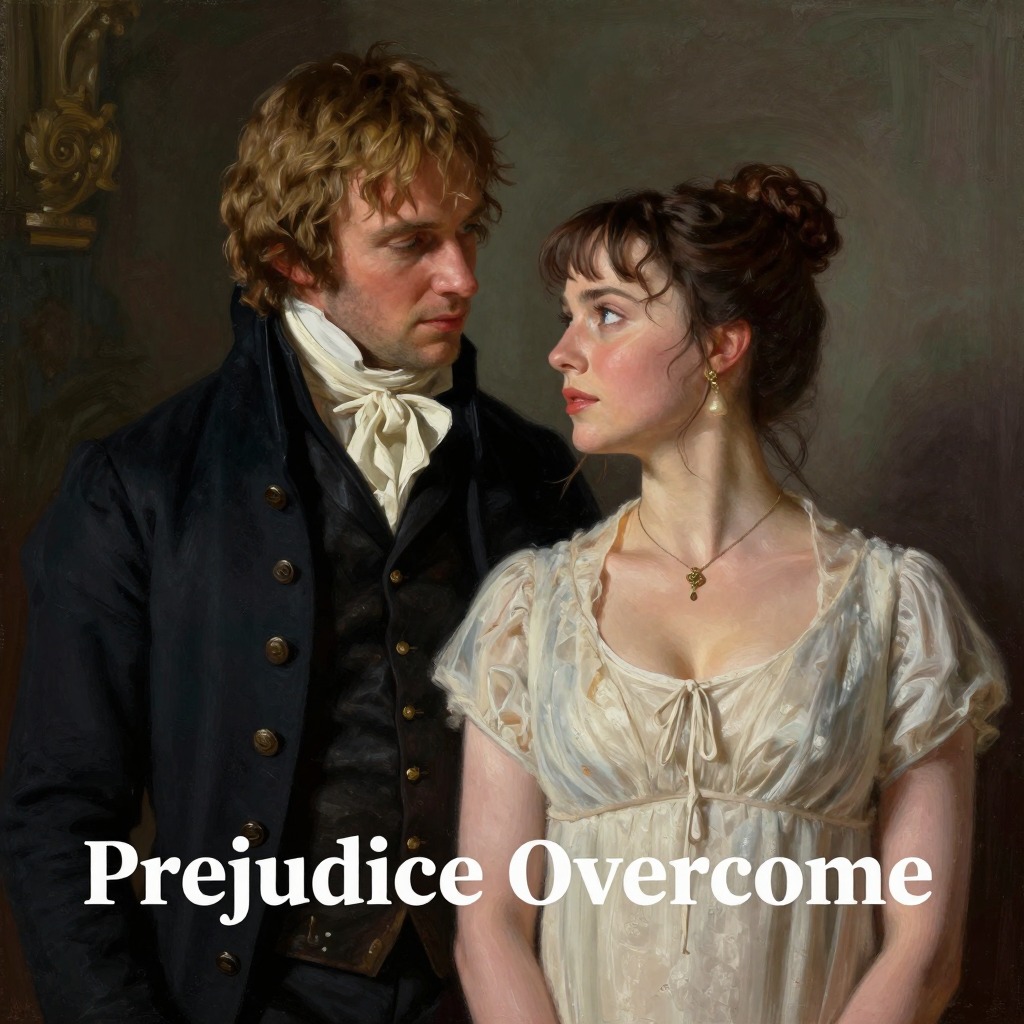
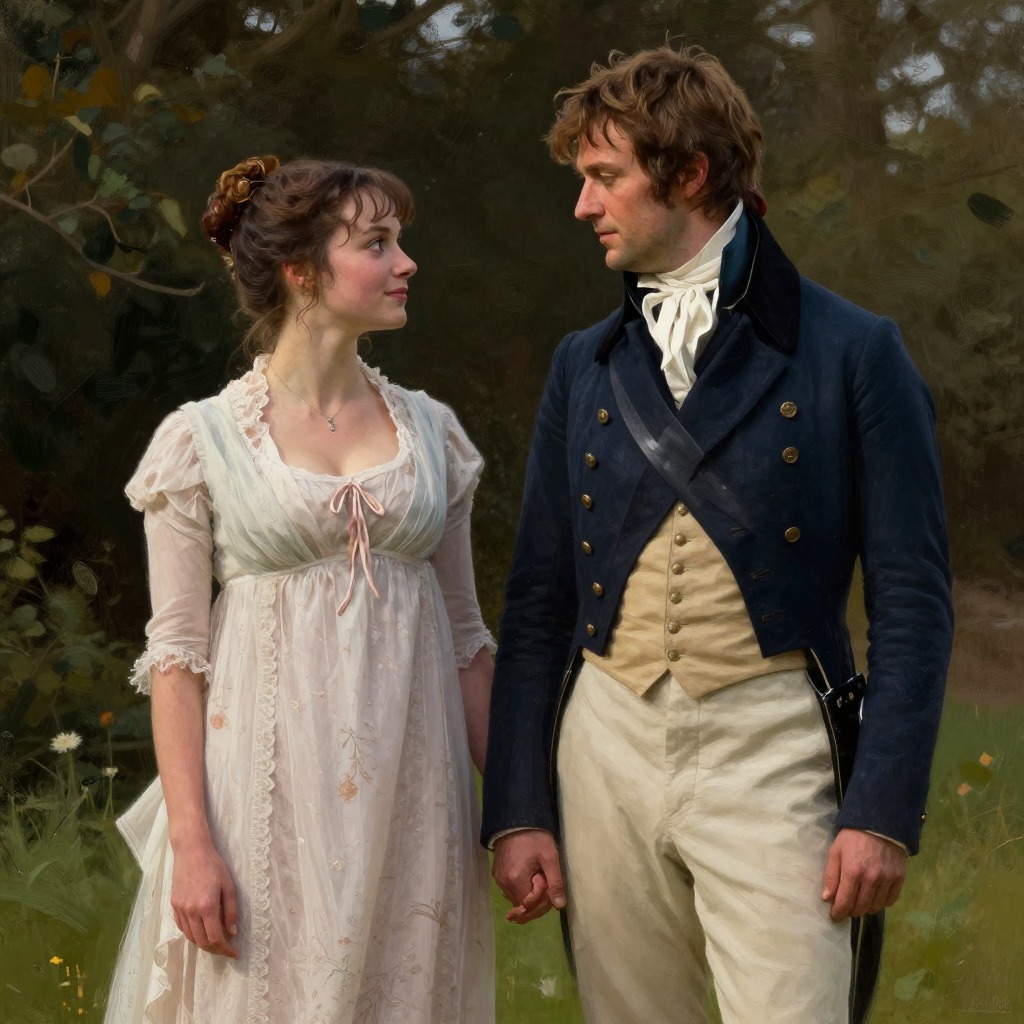
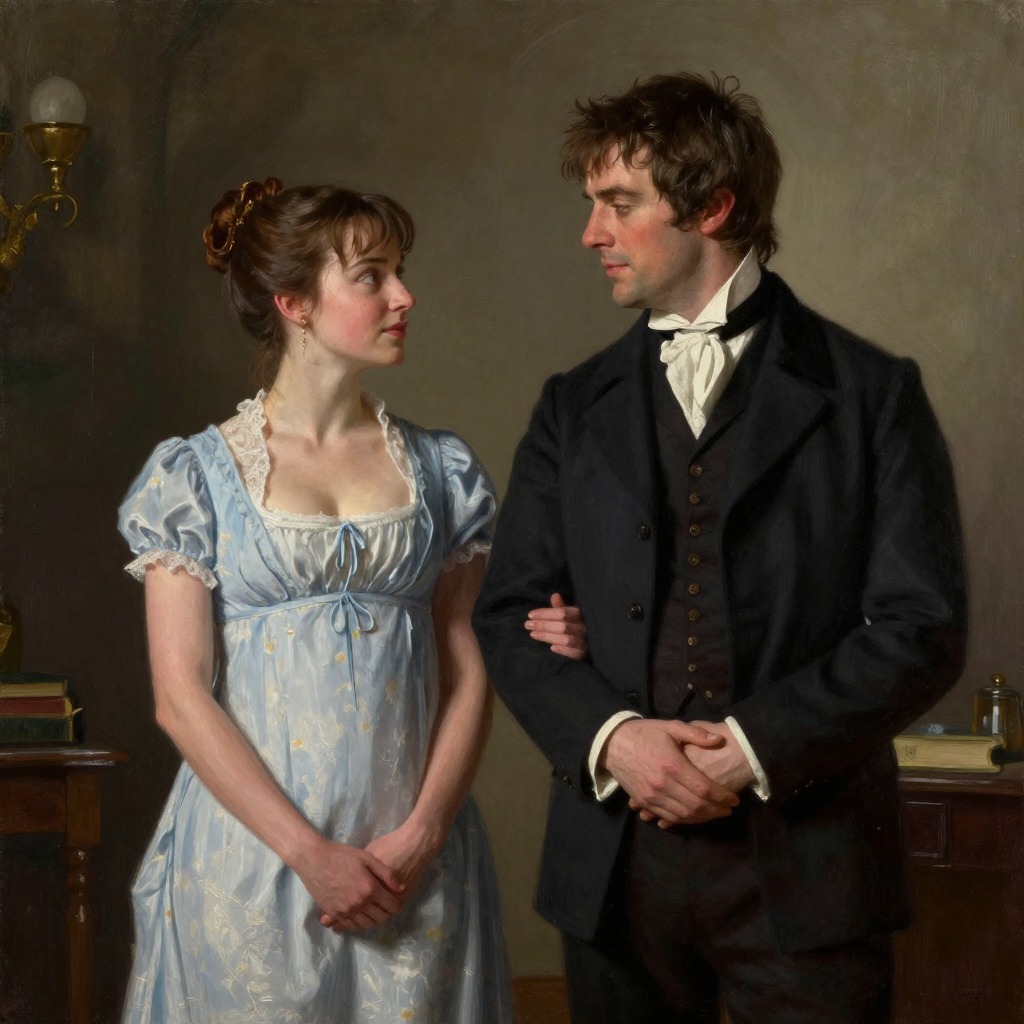
Charles Bingley is a wealthy, good-natured young gentleman whose arrival at Netherfield Park sets the novel's marriage plot in motion; his easy temper, genuine affection for Jane Bennet, and susceptibility to the influence of his friend Fitzwilliam Darcy make him a pivotal figure in both the romance and the social dynamics of the story.
Identity and Introduction
Charles Bingley is a single man of large fortune, with four or five thousand a year, who has taken Netherfield Park, a country house in Hertfordshire. He is described as good-looking and gentlemanlike, with a pleasant countenance and easy, unaffected manners. He inherited property to the amount of nearly a hundred thousand pounds from his father, who had intended to purchase an estate but did not live to do it. Bingley himself intends to buy an estate, but for the present he is content as a tenant. His sisters, Caroline Bingley and Louisa Hurst, are fine women with an air of decided fashion, and they are anxious for him to have an estate of his own. Bingley's character is marked by easiness, openness, and ductility of temper, which forms a great contrast to his friend Darcy's haughty and reserved nature. Despite this opposition of character, there is a very steady friendship between them, and Bingley has the firmest reliance on Darcy's regard and the highest opinion of his judgement.
Arc Through the Plot
Bingley's arrival at Netherfield creates immediate excitement in the Bennet household, as Mrs. Bennet sees him as a potential husband for one of her daughters. At the Meryton assembly, he dances every dance, is lively and unreserved, and is particularly struck by Jane Bennet, dancing with her twice. He soon becomes a regular visitor at Longbourn, and his attentions to Jane grow increasingly marked. When Jane falls ill during a visit to Netherfield, Bingley shows genuine concern, urging that the apothecary be sent for and giving directions that every attention be paid to the sick lady and her sister. He also promises to give a ball at Netherfield, which he later fulfills. However, after the Netherfield ball, Bingley abruptly leaves for London, persuaded by Darcy and his sisters that Jane is indifferent to him. He does not return to Hertfordshire for many months, leaving Jane heartbroken. When he finally returns, he is accompanied by Darcy, and his behavior toward Jane is initially guarded. But his affection for her soon rekindles, and he proposes to her, leading to their engagement.
Relationships and Conflict
Bingley's most significant relationship is with his friend Fitzwilliam Darcy. Darcy is the superior in understanding, and Bingley defers to his judgement, a trait that proves both a strength and a weakness. Darcy's interference in Bingley's courtship of Jane, based on his belief that Jane is indifferent and that the Bennet family is unsuitable, nearly destroys Bingley's chance at happiness. Bingley's sisters, Caroline Bingley and Louisa Hurst, also influence him, sharing Darcy's uneasiness about the connection and actively working to separate him from Jane. Bingley's own good nature and lack of resolution make him susceptible to their designs. His relationship with Jane Bennet is characterized by genuine affection and mutual admiration. He finds her the most beautiful creature he has ever beheld, and his love for her is sincere and lasting, surviving the months of separation and the efforts of his friends to keep them apart.
Change and Ending
Bingley's character undergoes a subtle but important change. Initially, he is easily led by Darcy and his sisters, allowing them to persuade him that Jane does not care for him. However, after Darcy confesses his interference and admits that he was mistaken about Jane's feelings, Bingley is able to forgive his friend and return to Hertfordshire. He proposes to Jane, and they are engaged. The marriage proves to be a happy one. They remain at Netherfield for only a twelvemonth, as the proximity to Mrs. Bennet and the Meryton relations is not desirable even to Bingley's easy temper. He eventually buys an estate in a neighbouring county to Derbyshire, placing Jane and Elizabeth within thirty miles of each other.
Thematic Significance
Bingley embodies the theme of the conflict between personal happiness and social or familial pressure. His initial weakness in allowing Darcy and his sisters to dictate his actions nearly costs him his chance at love. His eventual assertion of his own desires, aided by Darcy's correction of his mistake, represents a triumph of genuine affection over the influence of pride and social ambition. Bingley's character also serves as a foil to Darcy: his easy, open, and unreserved nature contrasts sharply with Darcy's pride and reserve, highlighting the different ways in which a gentleman can navigate the social world. His marriage to Jane, based on mutual affection and compatible temperaments, stands as one of the novel's ideal unions, in contrast to the more pragmatic marriage of Charlotte Lucas and Mr. Collins or the imprudent match of Lydia and Wickham.