Sir Danvers Carew
Sir Danvers Carew is a prominent Member of Parliament and a client of the lawyer Mr. Utterson. His murder at the hands of Edward Hyde is the pivotal crime of the narrative, a singularly ferocious act that shocks London and sets in motion the chain of events leading to the revelation of Henry Jekyll's double life. The victim's high social standing makes the case a public sensation, and the evidence left at the scene—a broken cane and a letter addressed to Utterson—provides the first concrete link between Hyde and Jekyll's circle, forcing the mystery into the open.
The Murder
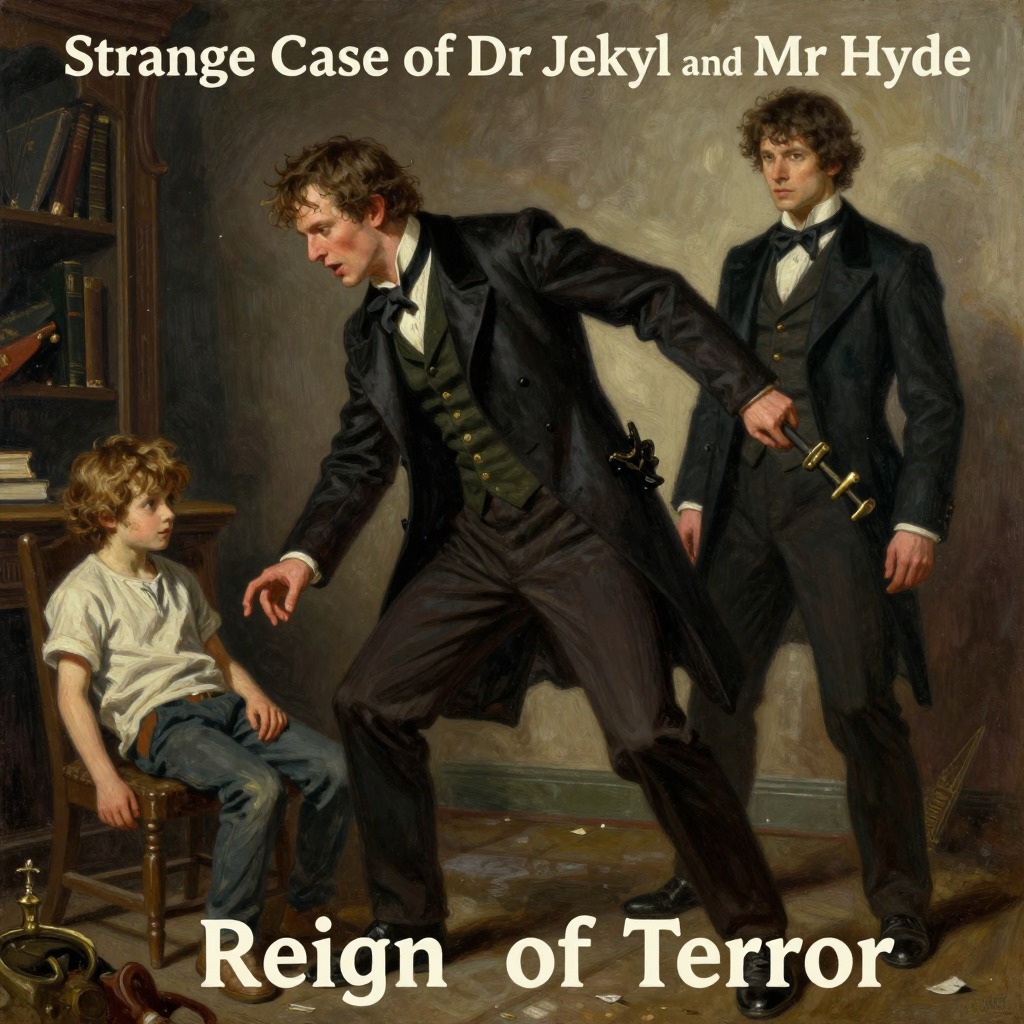
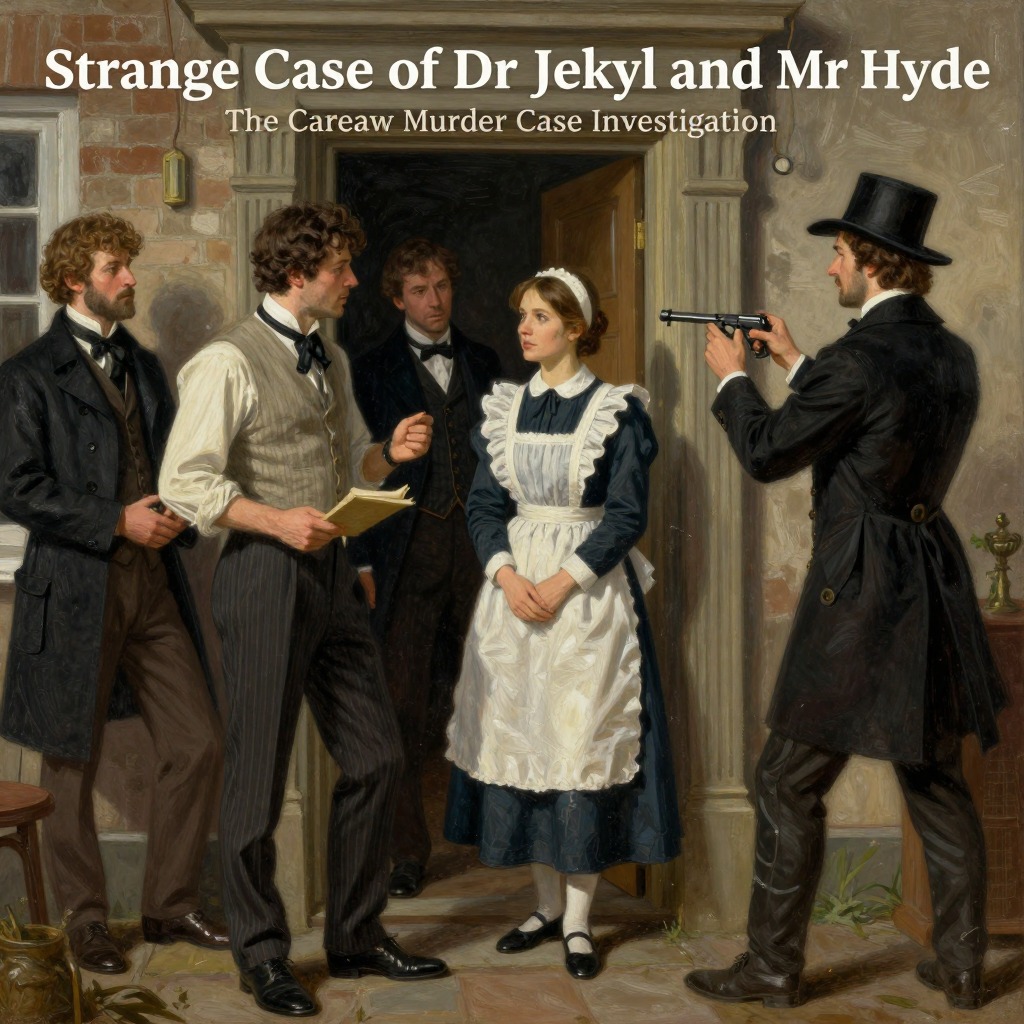
On a cloudless night in October, 18—, a maid servant witnessed the attack from her window overlooking a lane brilliantly lit by the full moon. She saw an aged, beautiful gentleman with white hair—Sir Danvers Carew—approach and politely address a small man whom she recognized as Mr. Hyde. Hyde, who had been trifling with a heavy cane, answered not a word but listened with ill-contained impatience. Suddenly he broke out in a great flame of anger, stamping his foot and brandishing the cane like a madman. When the old gentleman stepped back, surprised and hurt, Hyde broke all bounds, clubbed him to the earth, and with ape-like fury trampled his victim underfoot, hailing down a storm of blows until the bones were audibly shattered and the body jumped upon the roadway. The maid fainted from the horror. When she came to herself at two o'clock and called the police, the murderer was long gone. The victim lay incredibly mangled in the middle of the lane. The stick, made of some rare, tough, and heavy wood, had broken in the middle under the stress of the insensate cruelty; one splintered half had rolled into the gutter, the other carried away by the murderer. A purse and gold watch were found on the victim, but no cards or papers except a sealed and stamped envelope bearing the name and address of Mr. Utterson.
Identification and Investigation
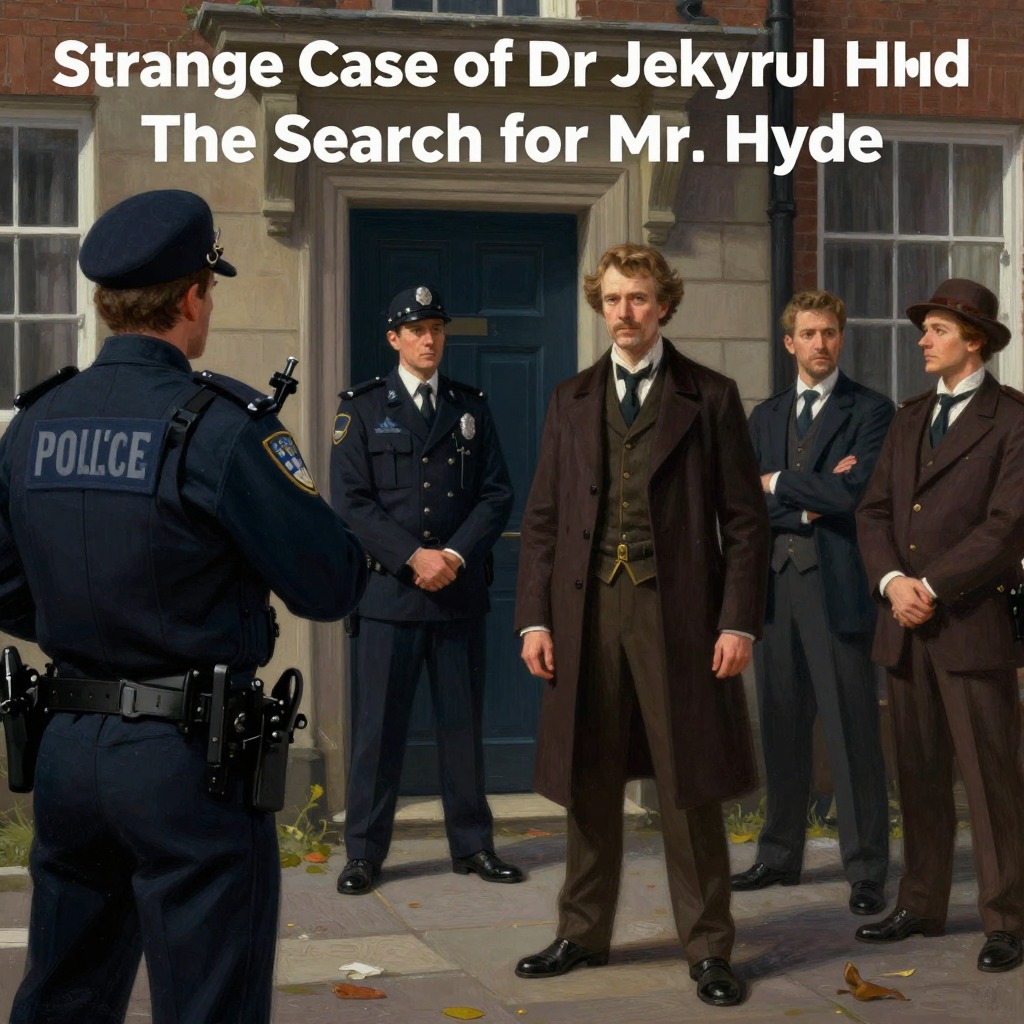
The next morning, the envelope was brought to Mr. Utterson before he was out of bed. As soon as he saw it and heard the circumstances, he solemnly declared he would say nothing until he had seen the body. At the police station, he identified the victim: "I am sorry to say that this is Sir Danvers Carew." The officer, his eye lighting up with professional ambition, exclaimed that the case would make a deal of noise and asked Utterson's help in finding the man. When the broken stick was laid before him, Utterson recognized it as one he himself had presented many years before to Henry Jekyll. He then led the police to Hyde's house in Soho, where the rooms bore every mark of having been recently and hurriedly ransacked, with clothes on the floor, lock-fast drawers open, and a pile of grey ashes on the hearth where many papers had been burned. The inspector disinterred from the embers the butt end of a green cheque book and found the other half of the stick behind the door. A visit to the bank, where several thousand pounds lay to the murderer's credit, completed his gratification. The officer declared, "I have him in my hand."
Consequences and Significance
The murder of Sir Danvers Carew transforms Hyde from a merely repellent figure into a hunted murderer, making his existence a capital crime. For Jekyll, the event is a moral watershed: after the killing, he experiences a fit of remorse, falls to his knees with streaming tears of gratitude and remorse, and resolves that Hyde must be impossible thenceforth. Yet the murder also seals Jekyll's doom, for it makes Hyde's identity known to the world and ensures that any future transformation will bring the scaffold. The victim's high public estimation—he was a Member of Parliament—means the crime is resented as a public injury, with thousands of pounds offered in reward. Sir Danvers Carew himself, though he appears only as a corpse and a name, functions as the innocent other whose face, in the Levinasian sense, issues an ethical command that is violently erased. His murder is the irreversible act that shatters the possibility of Jekyll's secret life continuing, and the broken cane—a gift from Jekyll to Utterson, then from Utterson to Jekyll—becomes the material link that binds the three men together in a chain of responsibility and guilt.