Gordon Lachance
Gordon Lachance, known to his friends as Gordie, is the twelve-year-old narrator and central consciousness of Stephen King's novella The Body. The story is told by an adult Gordon looking back from the vantage point of a successful novelist, and his retrospective voice frames the entire narrative. He is the youngest of four close friends—Chris Chambers, Teddy Duchamp, and Vern Tessio—and the only one who will survive into adulthood. His journey with them to find the body of a missing boy, Ray Brower, becomes the defining event of his childhood, a rite of passage that crystallizes his understanding of mortality, class, and the power of storytelling.
Identity and Background
Gordon is the younger son of older parents; his mother was forty-two when he was born, and his father was sixty-three. He grew up in the shadow of his older brother, Dennis Lachance, a golden boy who was killed in a Jeep accident at Fort Benning, Georgia, in April of 1960. Dennis's death devastated their parents, leaving Gordon feeling invisible in his own home. He describes himself as "the Invisible Boy" that summer, noting that his parents' attention was so fixed on Dennis that even when Gordon spoke at the dinner table, they would respond as if Dennis had spoken. This emotional neglect is a central wound in his childhood. He finds solace in reading paperback novels by John D. MacDonald and in writing his own stories, a secret passion he keeps hidden from most of his peers. His friends, particularly Chris, recognize his talent and encourage him, even when his stories are crude or derivative.
Arc Through the Plot
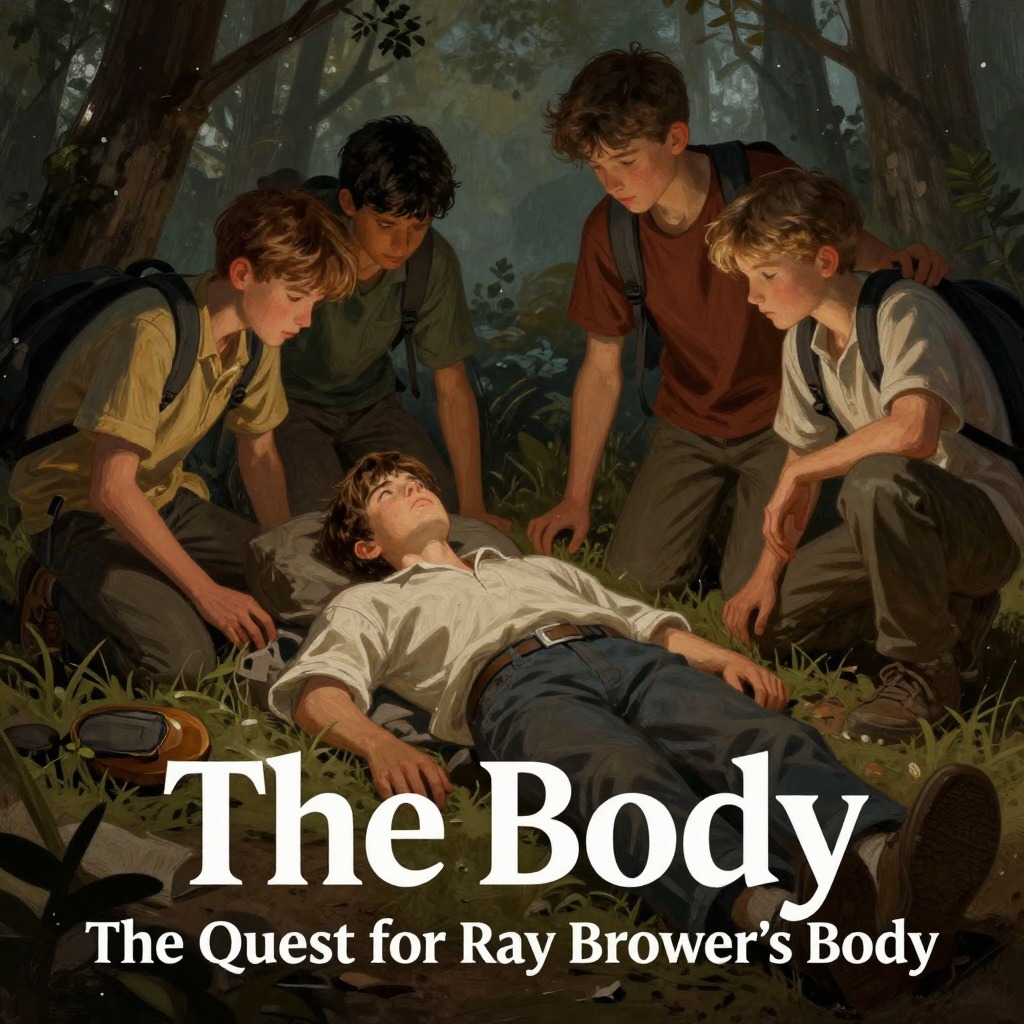
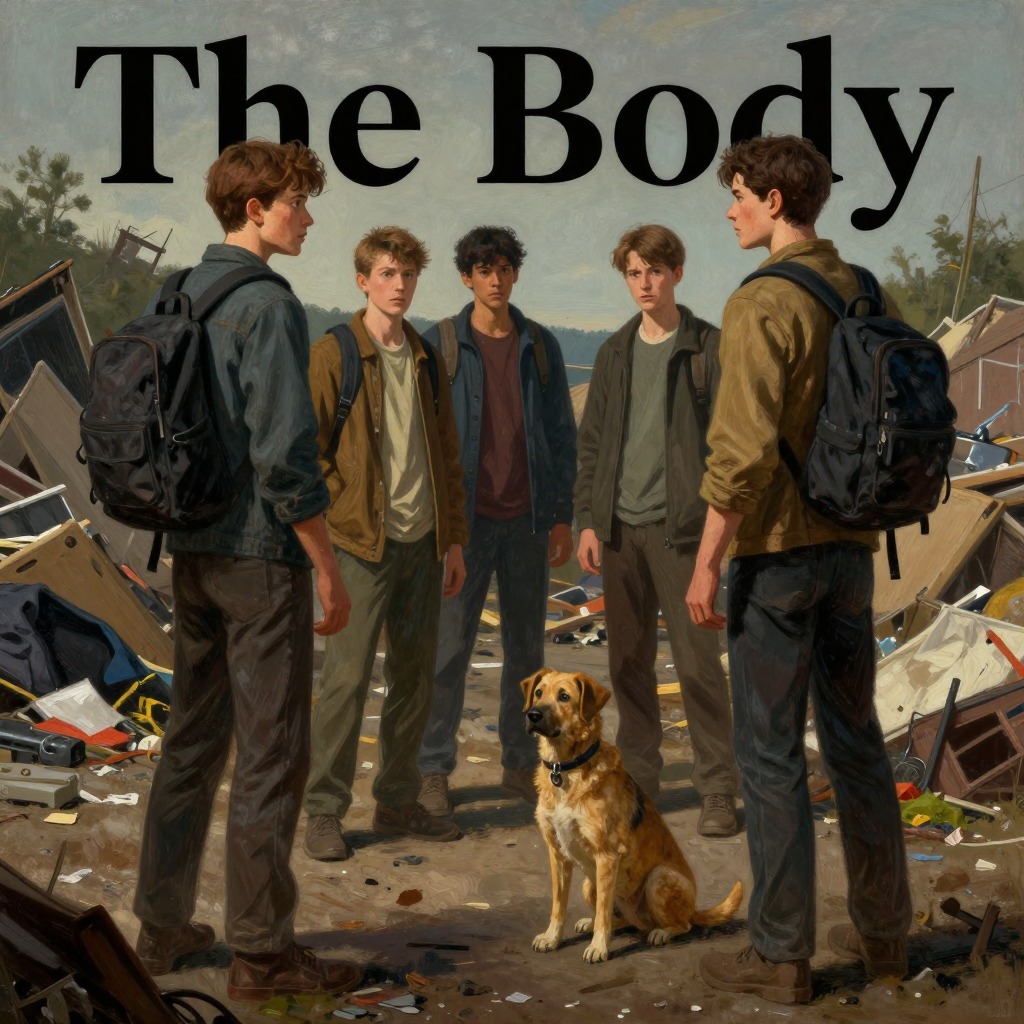
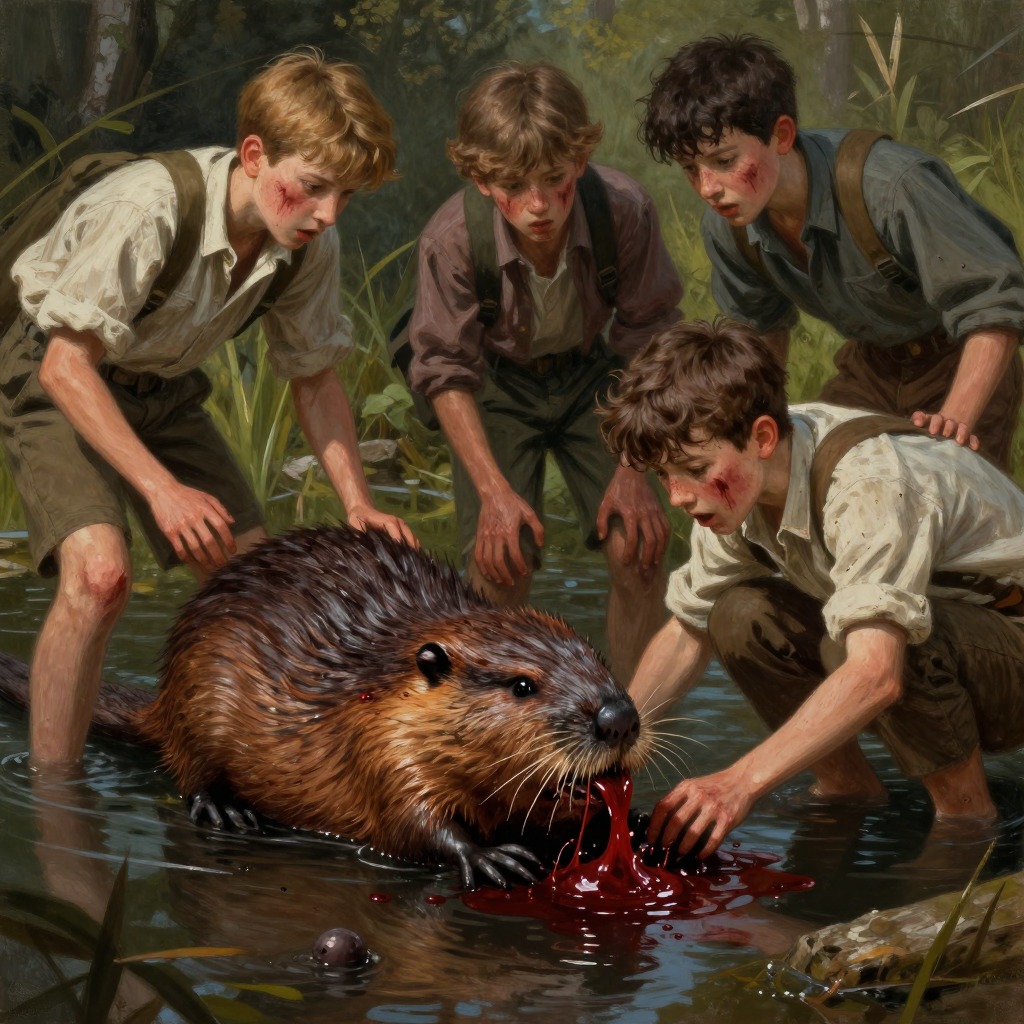
The plot of The Body is driven by Gordon's decision to join his friends on a two-day hike along the GS&WM railroad tracks to find the corpse of Ray Brower, a boy their age who has been missing for three days. The journey is a series of escalating trials: a confrontation with the dump keeper Milo Pressman and his dog Chopper, a near-fatal crossing of a railroad trestle just ahead of an oncoming freight train, a terrifying night in the woods listening to what they believe is a ghost (actually a wildcat), and a disgusting encounter with blood-sucking leeches in a beaver pond. Throughout these ordeals, Gordon acts as the group's cautious voice of reason, often restraining Teddy's reckless impulses and trying to keep the group focused. When they finally find Ray Brower's body, they are confronted by Ace Merrill and his gang of older teenagers, who want to claim the discovery for themselves. Chris Chambers draws his father's .45 pistol and forces the older boys to back down, but the group ultimately decides to abandon the body rather than risk being blamed for its death. The journey ends with the four boys limping back into Castle Rock at dawn, forever changed.
Key Actions and Objectives
Gordon's primary objective is to see the dead body, a goal that combines morbid curiosity with a desire for adventure and recognition. He is the one who devises the cover story that allows them to go, and he is the one who calculates the distance and plans the route. He also acts as the group's moral compass, intervening when Teddy tries to dodge a train and arguing with Milo Pressman about the legality of siccing his dog on them. His most significant action, however, is his silent complicity in the decision to leave Ray Brower's body behind. He understands Chris's reasoning—that Ace and his gang could lie and get them all sent to reform school—and he agrees to the cover-up, a choice that haunts him for years. Later, he is beaten and his nose and fingers are broken by Ace Merrill and Fuzzy Bracowicz as retaliation for the confrontation, but he refuses to identify his attackers to protect Chris from further reprisal.
Relationships and Conflict
Gordon's deepest relationship is with Chris Chambers, the toughest and smartest of his friends. Chris is the one who pushes Gordon to take his writing seriously and to enroll in college-preparatory courses instead of the shop classes that are expected of boys from their social class. In a pivotal conversation on the hike, Chris tells Gordon that "your friends drag you down" and that if Gordon stays with them, he will end up working in a mill or a shoe shop, his stories unwritten. This moment crystallizes the central conflict of Gordon's adolescence: the pull of loyalty to his friends versus the need to escape the limited future that Castle Rock offers. His relationship with his parents is one of emotional distance and unspoken grief. His father dismisses his friends as "a thief and two feebs," and his mother remains lost in her mourning for Dennis. Gordon's relationship with his dead brother is complex; he feels neither hatred nor idolatry, but a kind of "clinical awe" and a vague sense of being a replacement child who can never measure up.
Change and Ending
By the end of the story, Gordon has undergone a profound transformation. He has seen death up close, faced his own mortality on the trestle, and witnessed the fragility of his friendships. The experience hardens his resolve to become a writer, a decision that Chris's encouragement and his own grief make inevitable. He enrolls in college-preparatory courses, graduates from high school, and attends the University of Maine at Orono. He becomes a successful novelist, but the success is bittersweet. His three friends all die young: Vern in a housefire, Teddy in a car crash, and Chris—the one who believed in him most—is stabbed to death while trying to break up a fight in a Portland restaurant. Gordon is left as the sole survivor, the keeper of their shared memory. The novella ends with him as an adult, reflecting on the past and on the line that has haunted him since childhood: "The most important things are the hardest things to say."
Narrative Role and Evaluation
Gordon Lachance is a classic unreliable narrator in the sense that he is acutely aware of the fallibility of memory and the constructed nature of storytelling. He interrupts his own narrative to comment on the stories he wrote as a young man, dismissing "Stud City" as "pretty fucking melodramatic" and acknowledging that "The Revenge of Lard Ass Hogan" is a crude fantasy of revenge. This self-awareness makes him a deeply sympathetic and trustworthy guide, even as he admits that his memories may be distorted by time and emotion. He is the character through whom the novella's central themes—the loss of innocence, the power of friendship, the cost of ambition, and the redemptive act of telling stories—are most fully explored. His voice, at once nostalgic and rueful, gives the story its enduring emotional power.