Peppino
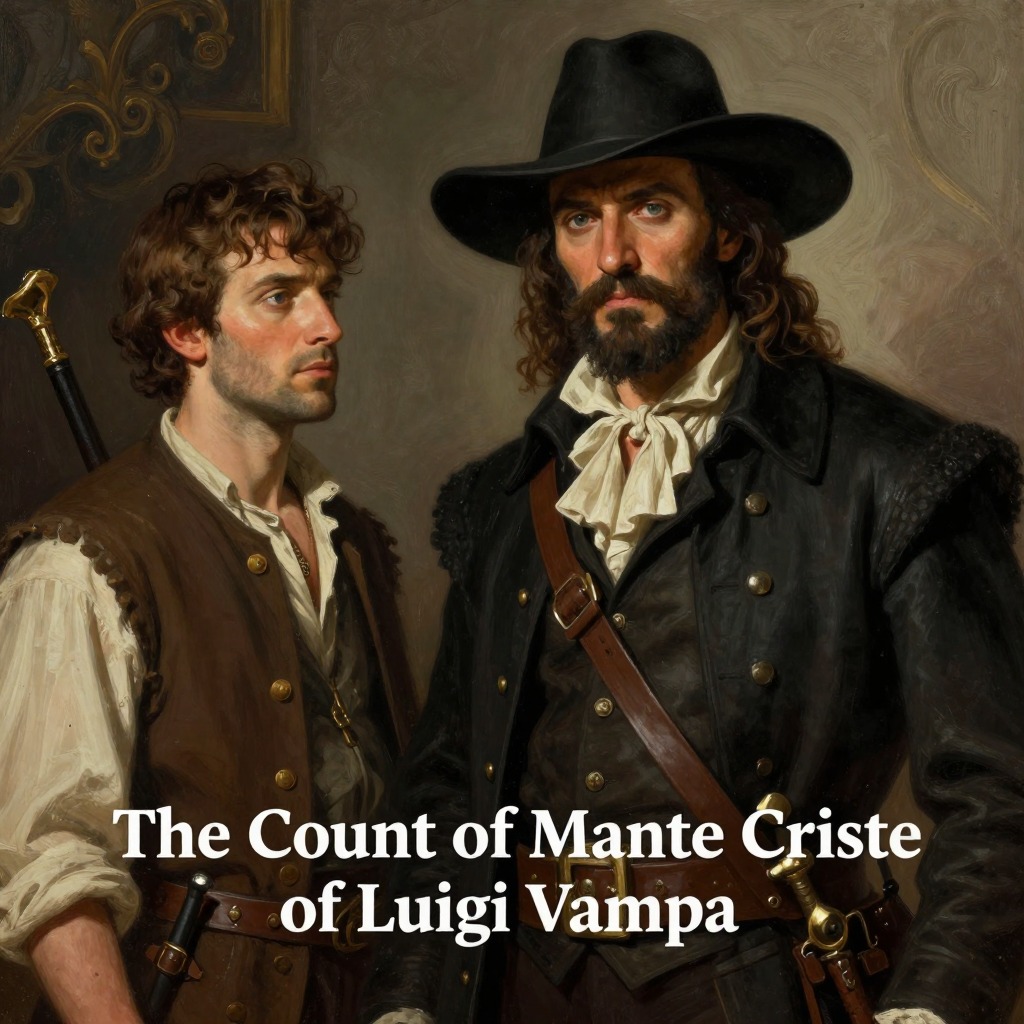
Peppino, also called Rocca Priori, is a minor but pivotal figure in the Count of Monte Cristo's web of vengeance and mercy. A young shepherd from the Roman countryside, he is drawn into the orbit of the notorious bandit chief Luigi Vampa, and his life is saved from the scaffold by the count's hidden hand, after which he becomes a loyal and grateful agent of his rescuer.
Identity and Background
Peppino is a poor shepherd whose only crime, as Luigi Vampa himself explains, consisted of "furnishing us with provisions" — that is, supplying Vampa's band with food. He is not a full member of the bandit gang but an accomplice by necessity, caught between the law and the outlaws who dominate the Campagna. His youth and his humble occupation mark him as an ordinary peasant swept up in the violent world of Roman banditry. The authorities, however, treat him as a serious criminal: he is sentenced to be decapitated, a punishment reserved for those deemed less atrocious than the mazzolato, while the more hardened criminal Andrea Rondola is to be knocked on the head.
Arrest and Death Sentence
Peppino is condemned to die on the first day of the Carnival, Wednesday, February 23rd, alongside Andrea Rondola. The official notice, posted on the tavolettas, describes him as "convicted of being an accomplice of the atrocious and sanguinary bandit, Luigi Vampa, and his band." The sentence is to be carried out in the Piazza del Popolo, a public spectacle that draws a vast crowd. Peppino walks to the scaffold with a firm step, "doubtless aware of what awaited him," showing a composure that contrasts sharply with the frantic terror of his fellow condemned man, Andrea.
The Pardon and Rescue
As Peppino reaches the foot of the guillotine, a priest arrives in haste, forcing his way through the soldiers and handing a folded paper to the chief of the brotherhood of penitents. The chief reads it and announces, "Here is a pardon for one of the prisoners!" The pardon is for Peppino, called Rocca Priori. The crowd erupts in cries of "A pardon!" while Andrea, furious that he is not also spared, struggles and raves. Peppino, however, does not wait to give thanks. As the count later remarks, "Peppino is a lad of sense, who, unlike most men, who are happy in proportion as they are noticed, was delighted to see that the general attention was directed towards his companion. He profited by this distraction to slip away among the crowd, without even thanking the worthy priests who accompanied him." The pardon is the result of a secret arrangement made by the Count of Monte Cristo, who had promised Luigi Vampa during a nocturnal meeting in the Colosseum that he would obtain a reprieve for Peppino by means of gold.
Service to the Count of Monte Cristo
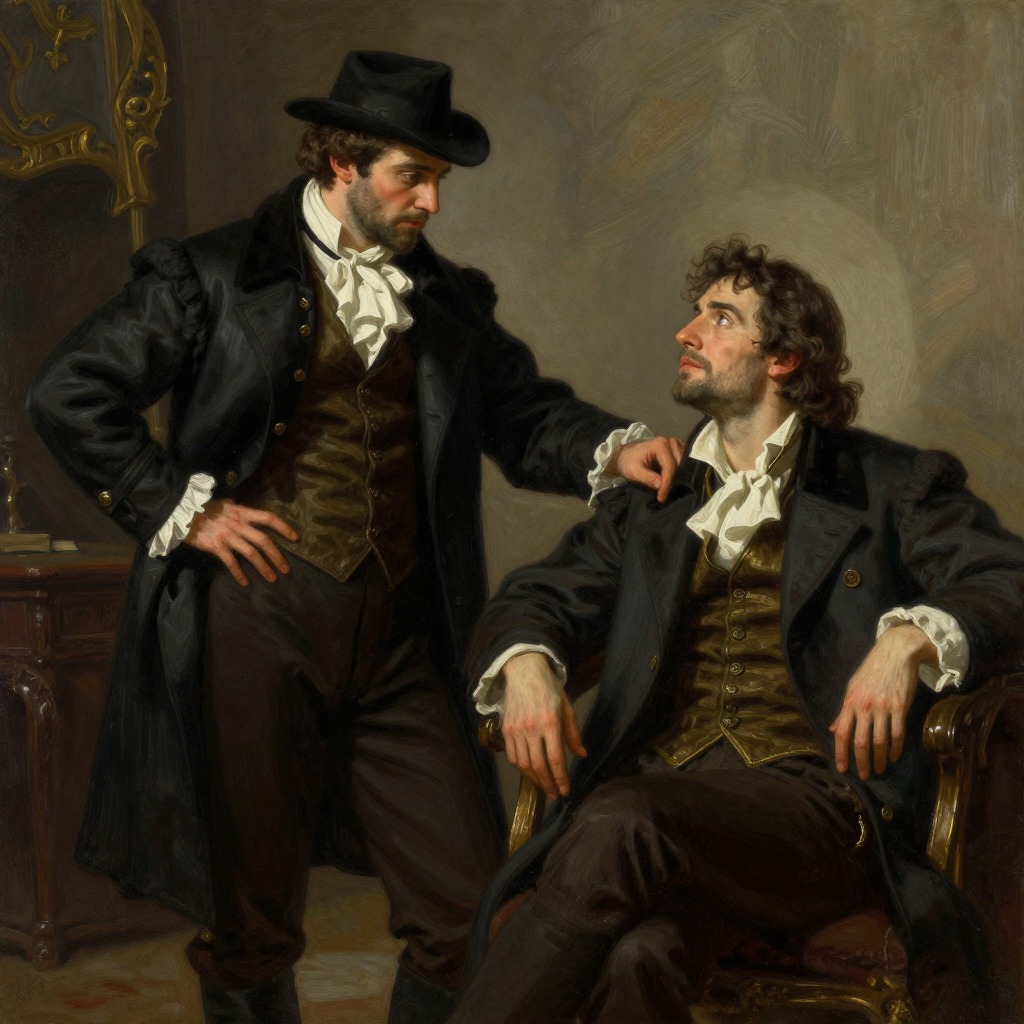
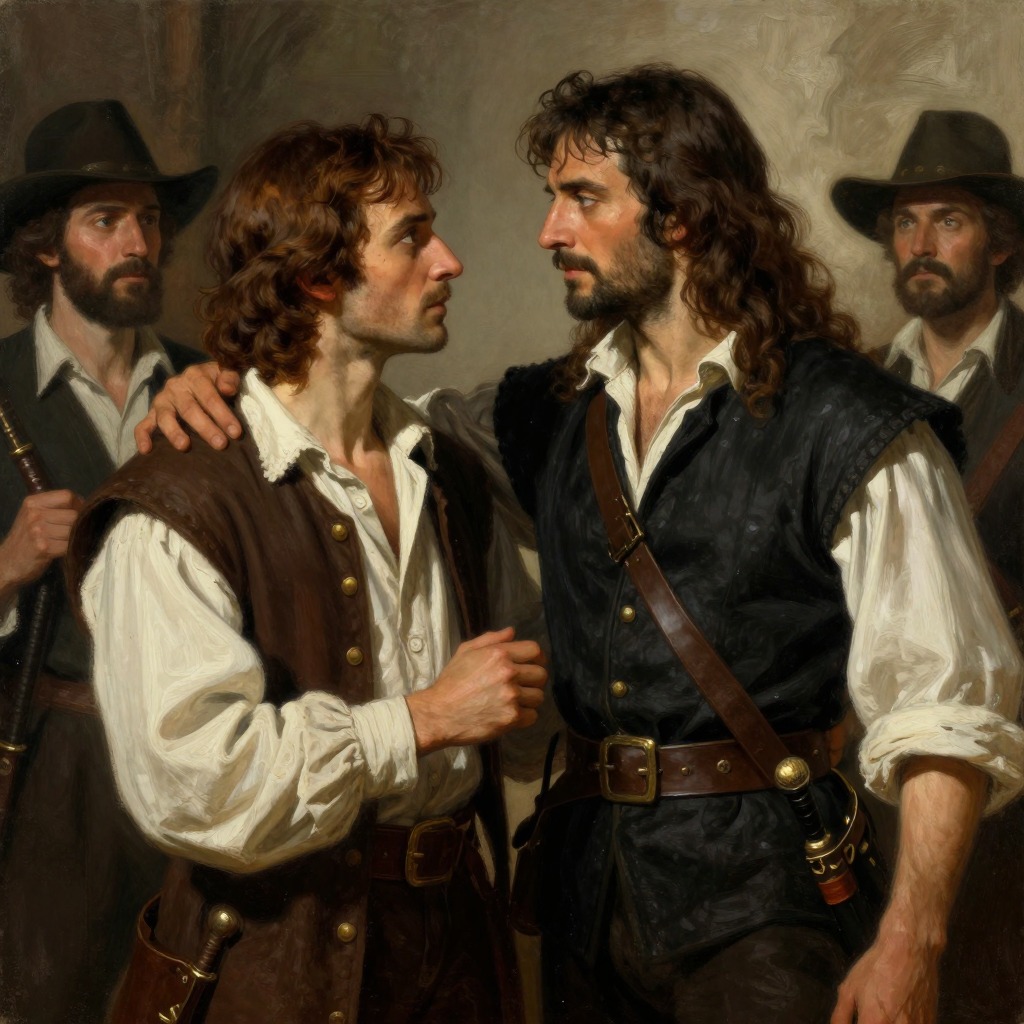
After his escape, Peppino enters the service of the Count of Monte Cristo. He becomes a trusted messenger and agent, appearing in the streets of Rome wrapped in a large cloak to deliver letters. When Albert de Morcerf is kidnapped by Luigi Vampa's band, Peppino is the one who brings the ransom note to Franz d'Epinay. He later leads the count and Franz through the catacombs of Saint Sebastian to Vampa's lair. Upon seeing the count, Peppino throws himself on his knees, seizes the count's hand, and covers it with kisses, exclaiming, "No, excellency; and never shall I forget it." The count acknowledges this devotion, telling Franz, "Ah, it is you, Peppino." Peppino's gratitude is absolute; he becomes a willing and obedient tool of the count's will, even acting as a guide through the bandit underworld he once served.
Narrative Role and Significance
Peppino serves as a living testament to the count's power over life and death, and to his capacity for mercy as well as vengeance. The count's intervention to save Peppino is a calculated act of philanthropy that also buys him influence over Luigi Vampa's band, a resource he later uses to rescue Albert de Morcerf. Peppino's transformation from a condemned shepherd to a devoted servant mirrors the count's own ability to reshape human destinies. His story also provides a crucial link between the Parisian world of the novel and the lawless, picturesque underworld of the Roman Campagna, grounding the count's almost supernatural power in concrete, human relationships of debt and loyalty.