Omberto di Santafiore
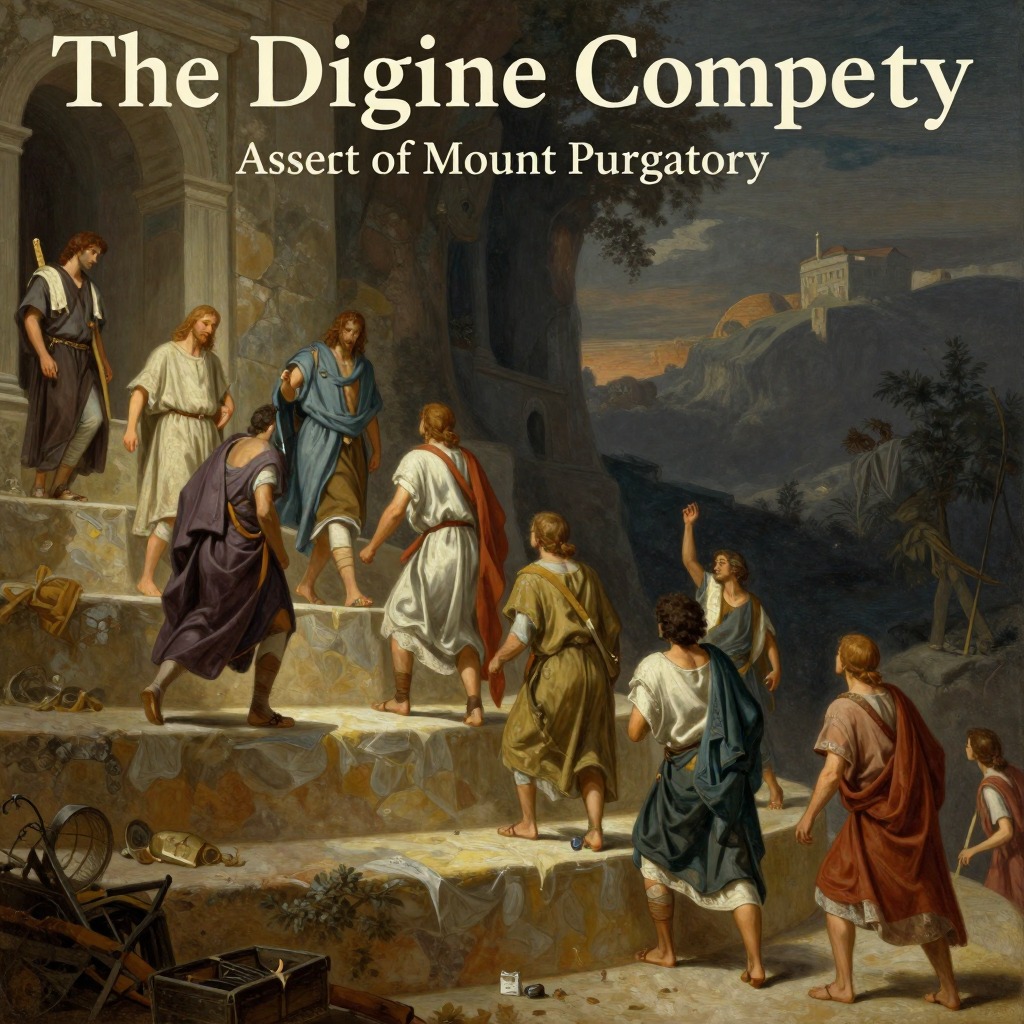
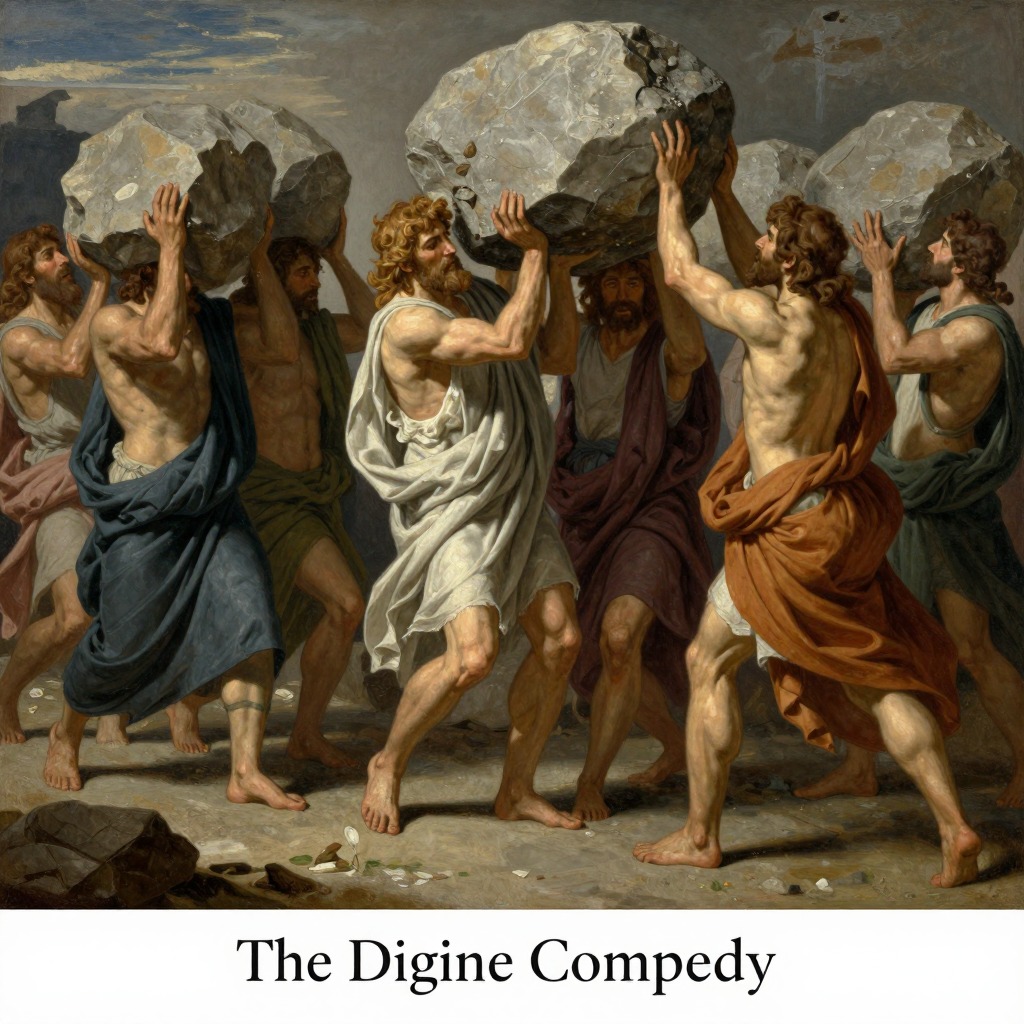
Omberto di Santafiore appears among the proud souls on the First Terrace of Mount Purgatory, where the sin of Pride is purged. He is one of the first penitents Dante and Virgil meet after passing through the Gate of Purgatory, and his confession provides a vivid illustration of how aristocratic arrogance leads to spiritual ruin. Omberto's presence on this terrace, laboring under a massive stone that forces him to bow low, is a direct consequence of a life lived in contempt for others, a sin he now recognizes as the cause of his own downfall and that of his family.
Identity and Background
Omberto identifies himself as a Latian, born of a great Tuscan father, Guglielmo Aldobrandeschi. The Aldobrandeschi were a powerful feudal family in the Maremma region of Tuscany, and Omberto's pride was rooted in this ancient bloodline and the gallant deeds of his ancestors. He confesses that this heritage made him so arrogant that he held all men in scorn, forgetting that all share a common mother, Eve. This pride led directly to his death, a fact known to the Sienese and every child in Campagnatico, the town where his family held sway. His punishment on the terrace is thus a direct contrapasso: the weight of the stone he bears mirrors the weight of his own haughtiness, forcing him to bow down as he refused to do in life.
Arc Through the Plot
Dante encounters Omberto as he and Virgil are seeking the way up the mountain. The penitents, moving slowly under their burdens, are reciting the Lord's Prayer, adapting it to their own condition. When Virgil asks for directions, Omberto responds, identifying himself and explaining his sin. He does not ask for prayers for himself but rather uses his own story as a cautionary tale. His speech is marked by a bitter self-awareness: he knows that his pride harmed not only himself but all his kin, dragging them into adversity. After speaking, he continues on his way, bowed under the stone, a figure of tragic recognition.
Relationships and Conflict
Omberto's primary relationship is with his family, the Aldobrandeschi, whose ancient blood and deeds of gallantry he cites as the source of his arrogance. His conflict is not with another character but with the sin of pride itself, which he now understands as a poison that infected his entire lineage. He mentions that his father, Guglielmo Aldobrandeschi, was a great Tuscan, but he does not know if his name is still remembered. This uncertainty underscores the fleeting nature of earthly fame, a theme that runs through the entire terrace. Omberto's story also implicitly contrasts with that of Oderisi d'Agobbio, the illuminator who speaks immediately after him about the vanity of artistic fame, reinforcing the terrace's central lesson.
Change and Ending
Omberto's transformation is evident in his confession. He no longer boasts of his lineage but instead laments the harm it caused. He accepts his punishment, stating that he must bear the burden until God is satisfied, since he did not do so among the living. His final words are a resigned acknowledgment of his fate. He does not ask for Dante's intercession, unlike many other penitents, but simply tells his story and then falls silent, continuing his slow, painful progress. His ending is one of humble acceptance, a stark contrast to the arrogant lord he once was.
Thematic Significance
Omberto di Santafiore serves as a powerful exemplar of the sin of Pride, particularly the pride of noble birth. His story illustrates the medieval Christian teaching that all human beings are equal before God and that earthly distinctions of rank and lineage are ultimately meaningless. The contrapasso of the heavy stone, which forces the proud to bow down, is a physical manifestation of the spiritual truth that humility is the necessary foundation for salvation. Omberto's confession also highlights the communal nature of sin and its consequences: his pride did not just harm him but corrupted his entire family. His presence on the First Terrace, the first and most fundamental of the seven, underscores that pride is the root of all other sins, the one that must be purged first before any further spiritual progress can be made.