Pope Adrian V
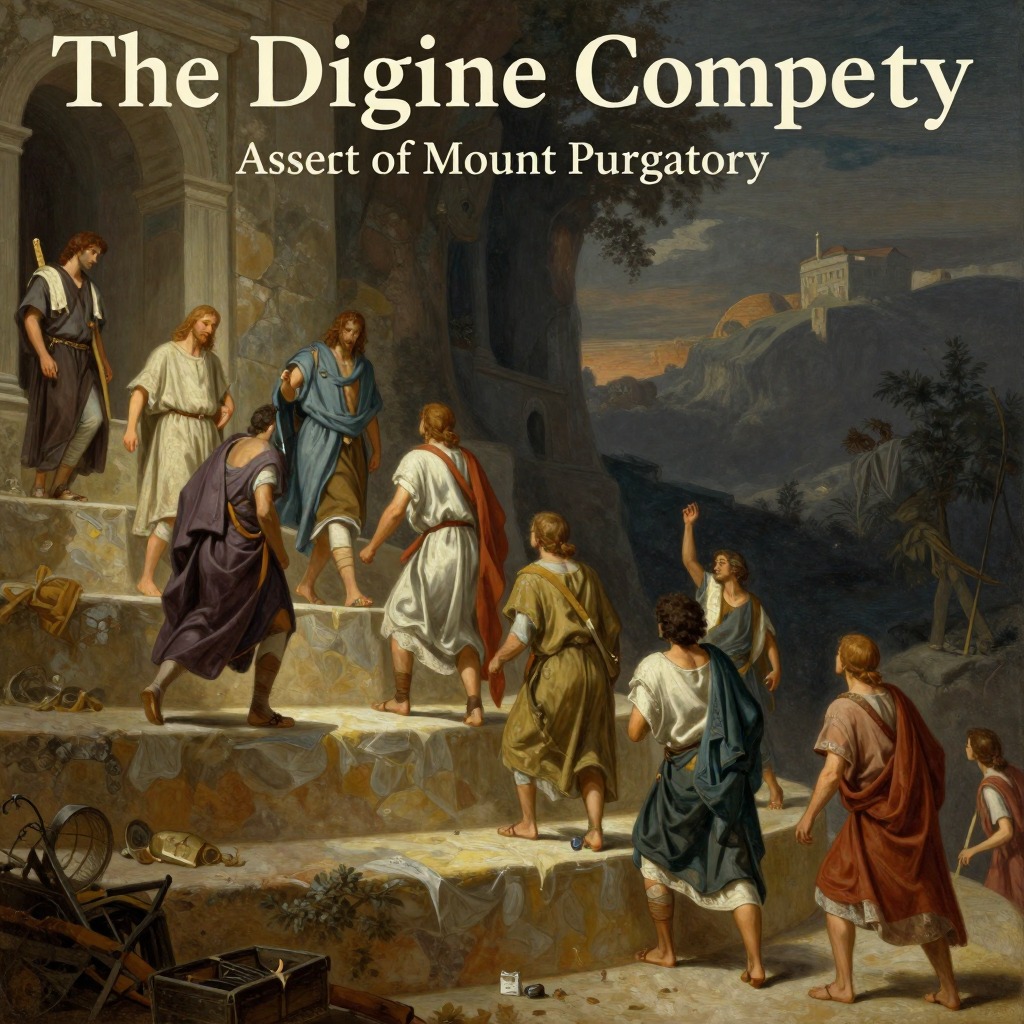
Pope Adrian V, who reigned for only a few weeks in 1276, appears in the Fifth Terrace of Mount Purgatory, where the sin of avarice is purged. His encounter with Dante Alighieri provides one of the poem's most concentrated reflections on the spiritual peril of ecclesiastical ambition and the radical reorientation required for salvation. Though he held the highest office in Christendom, Adrian presents himself not as a figure of authority but as a fellow servant, prostrate on the ground, weeping, and ripening through suffering the repentance that alone can open the way to God.
Identity and Background
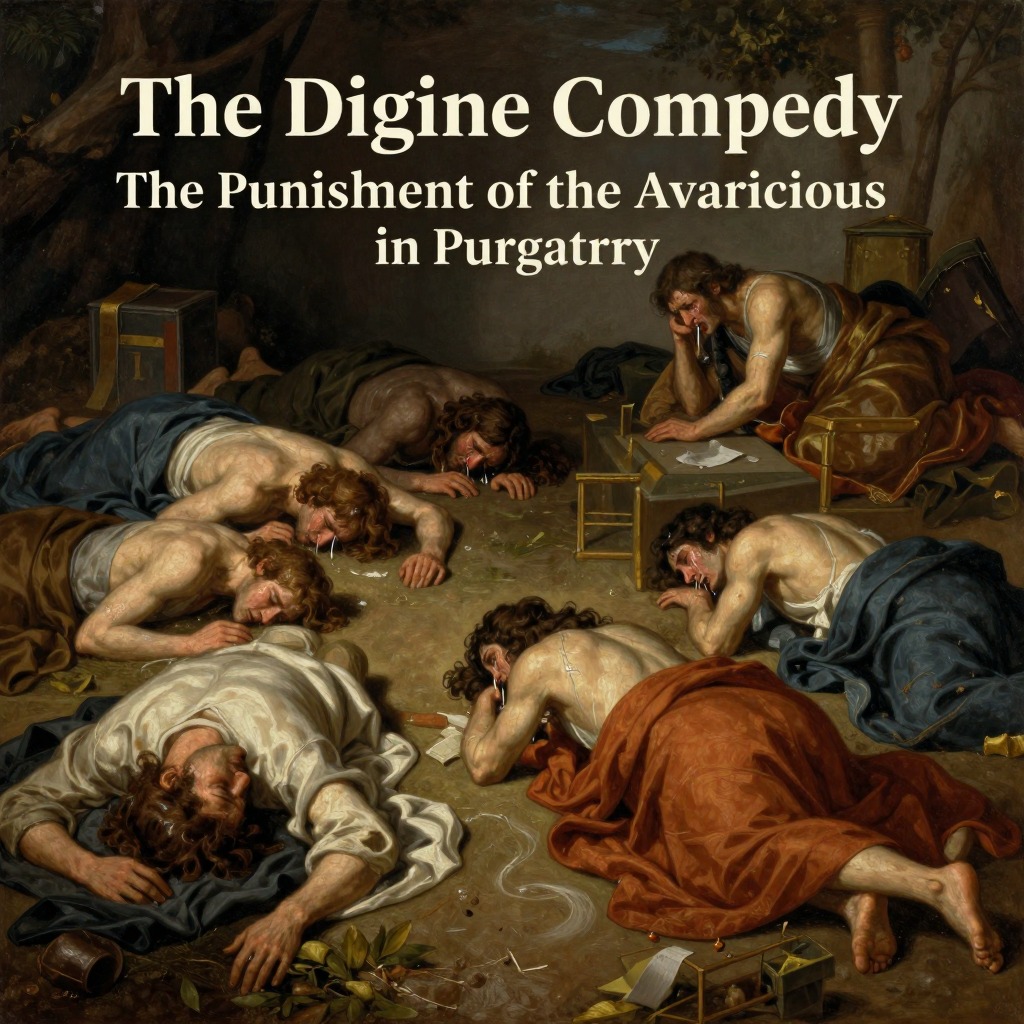
Adrian identifies himself by his papal lineage and his earthly failure. He was, he says, "successor of Peter" , and his family name derived from a river that descends between Sestri and Chiaveri . He confesses that his conversion was tardy: "Tardy, ah woe is me! was my conversion" . Only when he became pope did he discover that life was a lie and that the heart could find no rest in its pursuit . His sin was avarice, which he describes as having made him "a wretched soul and parted from God" . The punishment he endures is a direct contrapasso: because his eyes were fixed on earthly things, justice now merges them in the earth, and because avarice extinguished his affection for every good, he is held bound and prostrate .
Encounter with Dante and the Nature of Punishment
When Dante approaches him, he is lying face down on the ground, weeping, along with the other penitents of the Fifth Terrace. Dante, moved by reverence, kneels to speak to him, but Adrian immediately corrects him: "Straighten thy legs, and upward raise thee, brother. Err not, fellow-servant am I with thee and with the others to one power" . He cites the Gospel teaching that in the resurrection there is no marriage, implying that all earthly hierarchies are abolished in the life to come . He then explains the mechanics of his purgation: the avaricious are punished by being bound to the earth, their eyes unable to lift themselves, until the just Lord releases them . The pain of this terrace, he says, is the most bitter on the whole mountain .
The Doctrine of Vows and the Role of Prayer
Adrian's discourse touches on the theology of vows and the efficacy of intercessory prayer. He tells Dante that his conversion was so late that without the prayers of others he would have remained in Ante-Purgatory for a period equal to his life of presumption . He mentions his granddaughter Alagia, who alone remains to him on earth, and expresses hope that she is good, though he fears the malevolent example of his house may corrupt her . This personal detail humanizes the former pope and underscores the poem's insistence that the living can aid the dead through prayer.
Thematic Significance
Adrian's presence in Purgatory dramatizes the inversion of earthly values that defines the penitential process. A man who once wore the papal mantle and commanded the obedience of Christendom now lies prostrate, unable to lift his eyes, and insists on his equality with a lay pilgrim. His confession that the papal office revealed the emptiness of worldly ambition serves as a direct critique of the corrupt papacy of Dante's own time, particularly the simoniacal practices of Pope Boniface VIII. Adrian's humility and his willingness to be corrected by the very structure of purgatorial justice embody the poem's central teaching that salvation requires a complete reorientation of the will away from temporal goods and toward the eternal.