Gríma Wormtongue
Gríma Wormtongue, son of Gálmód, is one of the most insidious figures in the War of the Ring. As the chief counsellor to King Théoden of Rohan, he does not wield a sword but a voice—a voice of poison and persuasion that, over many years, saps the king's will, isolates him from his loyal men, and opens the Mark to the influence of Saruman. His name becomes a byword for treachery, yet his story is also one of abject servitude, fear, and a final, desperate act of murder that seals his own doom.
Identity and Role
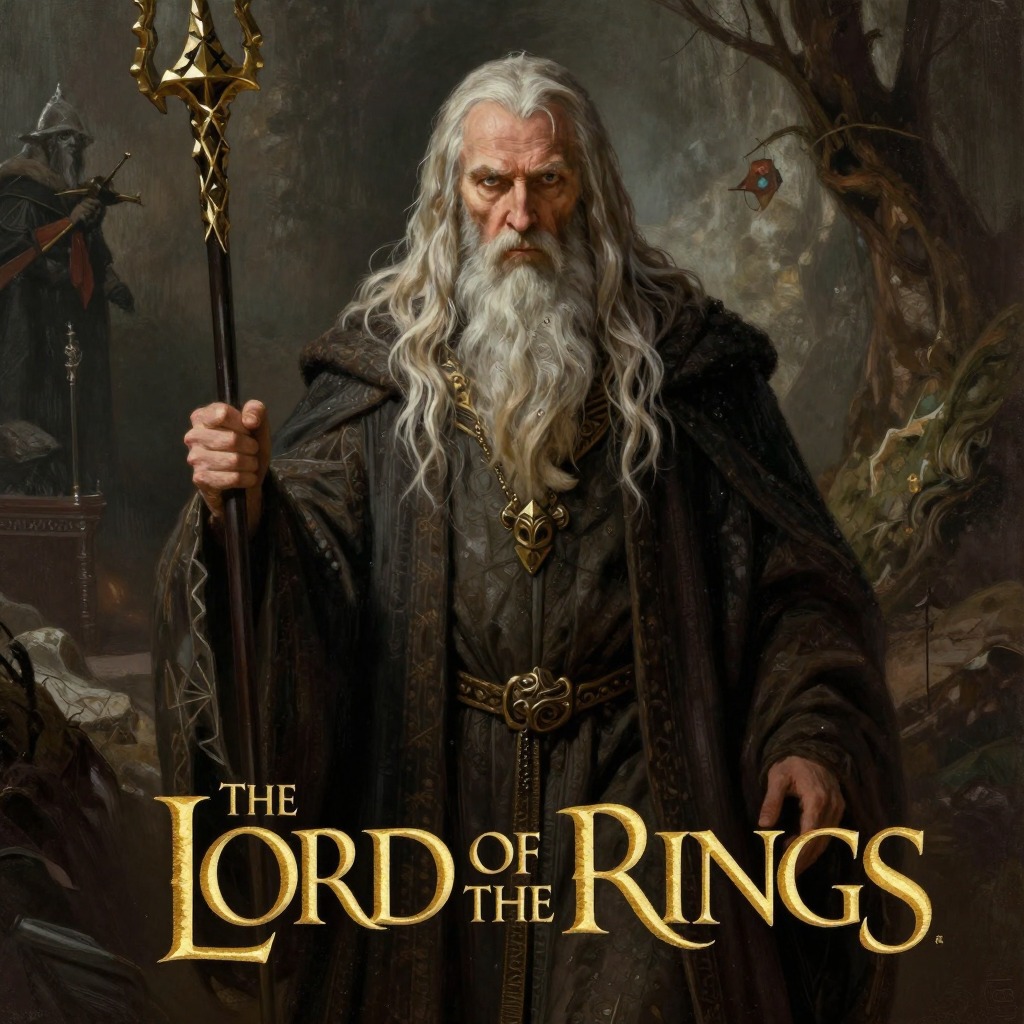
Gríma is first introduced as a pale, wizened figure crouching at the feet of King Théoden in the Golden Hall of Meduseld. He is described as having a 'pale wise face and heavy-lidded eyes,' and his speech is soft, insinuating, and endlessly corrosive. He has served as the king's counsellor for years, but his true loyalty lies with Saruman, the Wizard of Isengard. He is a spy, feeding Saruman every secret of Rohan, and a manipulator, whispering doubts and fears into Théoden's ear until the once-proud king becomes a bent, helpless old man, dependent on Gríma as a crutch. Gandalf later reveals that Saruman bought Gríma long ago, promising him treasure and, most darkly, the woman he desired: Éowyn, the king's niece. Gríma's role is thus not merely political but personal; his lust for power and for Éowyn drives his every action.
Arc Through the Plot
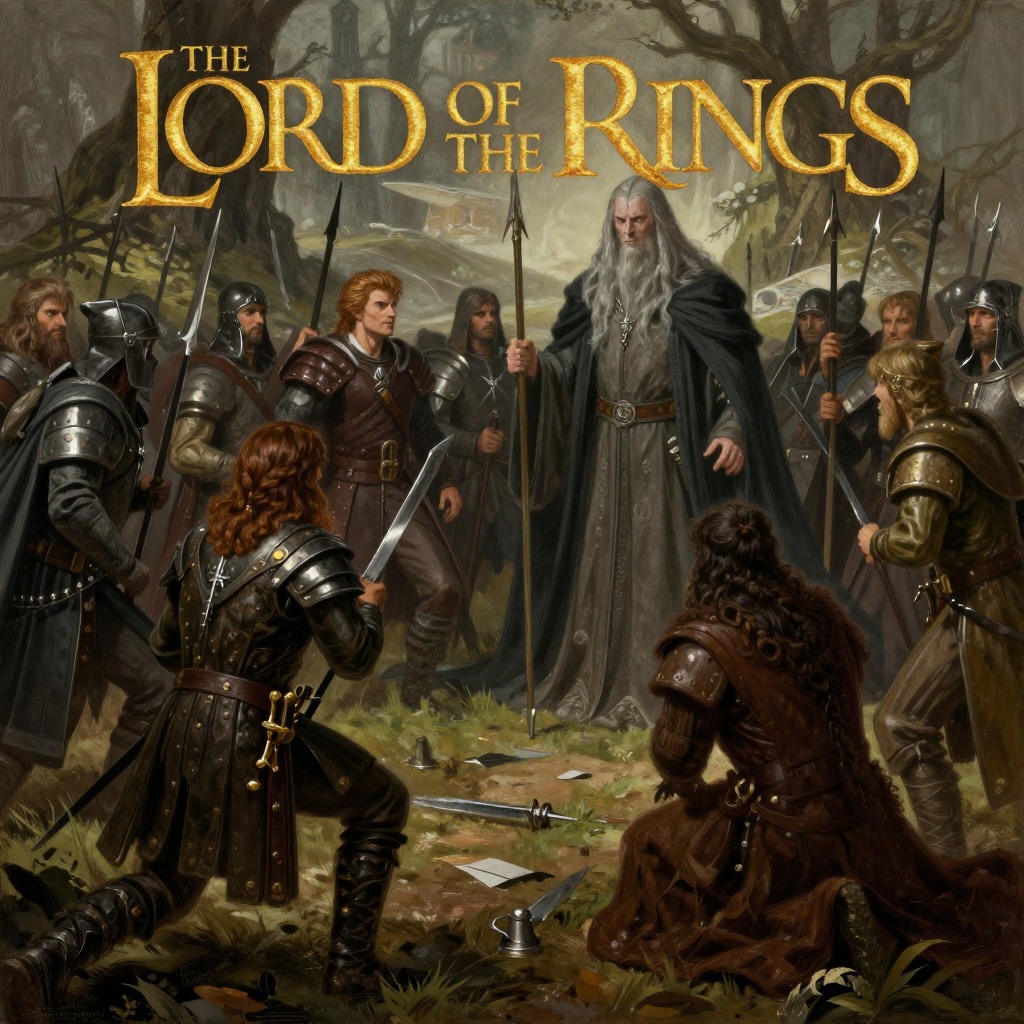
Gríma's influence over Théoden is broken by Gandalf the White, who arrives at Edoras, casts off his grey rags, and reveals the true extent of the king's enchantment. When Gandalf commands Théoden to cast aside his staff and stand tall, the king's strength returns, and Gríma's power is shattered. Exposed as a traitor, Gríma is given a choice: ride to war and prove his loyalty, or leave Rohan forever. He chooses to flee, spitting on the king's floor before darting away. He is last seen in the narrative riding northward with a company of Orcs, heading towards Isengard. His final appearance comes after the fall of the Dark Tower, when he is found as a wretched, starving beggar following Saruman through the desolate lands. When Saruman is confronted by the victorious company, Gríma cowers and whimpers, a broken creature. In a final, shocking act, when Saruman kicks him and mocks him, Gríma snaps. He draws a hidden knife, cuts Saruman's throat, and is immediately shot dead by hobbit arrows. His body falls beside that of his master, a fitting end for a life lived in the shadow of a greater evil.
Relationships and Conflict
Gríma's central relationship is with Saruman, whom he serves out of fear and a twisted hope for reward. He is utterly dependent on the Wizard, and his final act of murder is less an act of rebellion than a spasm of a broken will. His relationship with Théoden is one of parasitic control; he has fed on the king's strength for years, and when that strength returns, Gríma is left with nothing. His most poignant and revealing conflict is with Éowyn. He has watched her 'under his eyelids and haunted her steps,' but she regards him with cold contempt. When Gandalf exposes his desire for her, Éomer nearly kills him on the spot. This unrequited, predatory obsession is the closest Gríma comes to having a personal motive beyond mere ambition, and its failure contributes to his utter degradation.
Change and Ending
Gríma undergoes no redemption. He begins as a cunning, whispering villain and ends as a snivelling, starving wretch. His arc is a study in the consequences of selling one's soul to a greater power. When Saruman falls, Gríma has nothing left—no master, no reward, no hope. His final, desperate act of killing Saruman is not a bid for freedom but a final, futile expression of the hatred and misery that have consumed him. He is shot down immediately, and his body is left to rot beside his master's. The hobbits, who had offered him a chance to stay and be fed, can only look on with pity and horror. His end is a grim testament to the idea that those who serve evil are ultimately devoured by it.
Thematic Significance
Gríma Wormtongue embodies the theme of corrupting speech and the power of words to enslave. He is a 'tongue' without a sword, yet he is more dangerous than many warriors. His treachery is not born of open malice but of subtle, persistent erosion of trust and will. He represents the insidious nature of evil that works from within, poisoning a realm not by force but by deceit. His ultimate fate—a slave to a master who despises him, dying in a ditch—serves as a stark warning against the seduction of power and the emptiness of serving a cause that offers only fear and false promises. He is a shadow of Saruman, just as Saruman is a shadow of Sauron, and his story illustrates the chain of corruption that binds the servants of the Dark Lord.