Isildur
Isildur, son of Elendil the Tall, is the pivotal figure whose single act of taking the One Ring for his own — and failing to destroy it — created the central crisis of the Third Age. As the eldest son of the High King of the Dúnedain, he fought in the Last Alliance of Elves and Men, cut the Ring from Sauron's hand, and then, against the counsel of Elrond and Círdan, kept it as a weregild for his father and brother. The Ring soon betrayed him, slipping from his finger as he swam the Anduin, and he was killed by Orc arrows in the Gladden Fields. His line, however, continued through his son Valandil, and the shards of his father's sword Narsil were preserved, eventually to be reforged as Andúril for Aragorn, the heir of Isildur who would finally undo his ancestor's error.
Identity and Lineage
Isildur was the elder son of Elendil, the High King who led the Faithful Númenóreans to Middle-earth after the Downfall of Númenor. With his father and his brother Anárion, Isildur founded the Realms in Exile: Arnor in the North and Gondor in the South. He built Minas Ithil, the Tower of the Rising Moon, on the eastern flank of the Mountains of Shadow, and planted there a seedling of the White Tree that his father had brought from Númenor. He was present at the Battle of Dagorlad before the Black Gate of Mordor, where the hosts of the Last Alliance defeated Sauron's armies, and he stood beside his father in the final combat on the slopes of Orodruin, Mount Doom.
The Taking of the Ring
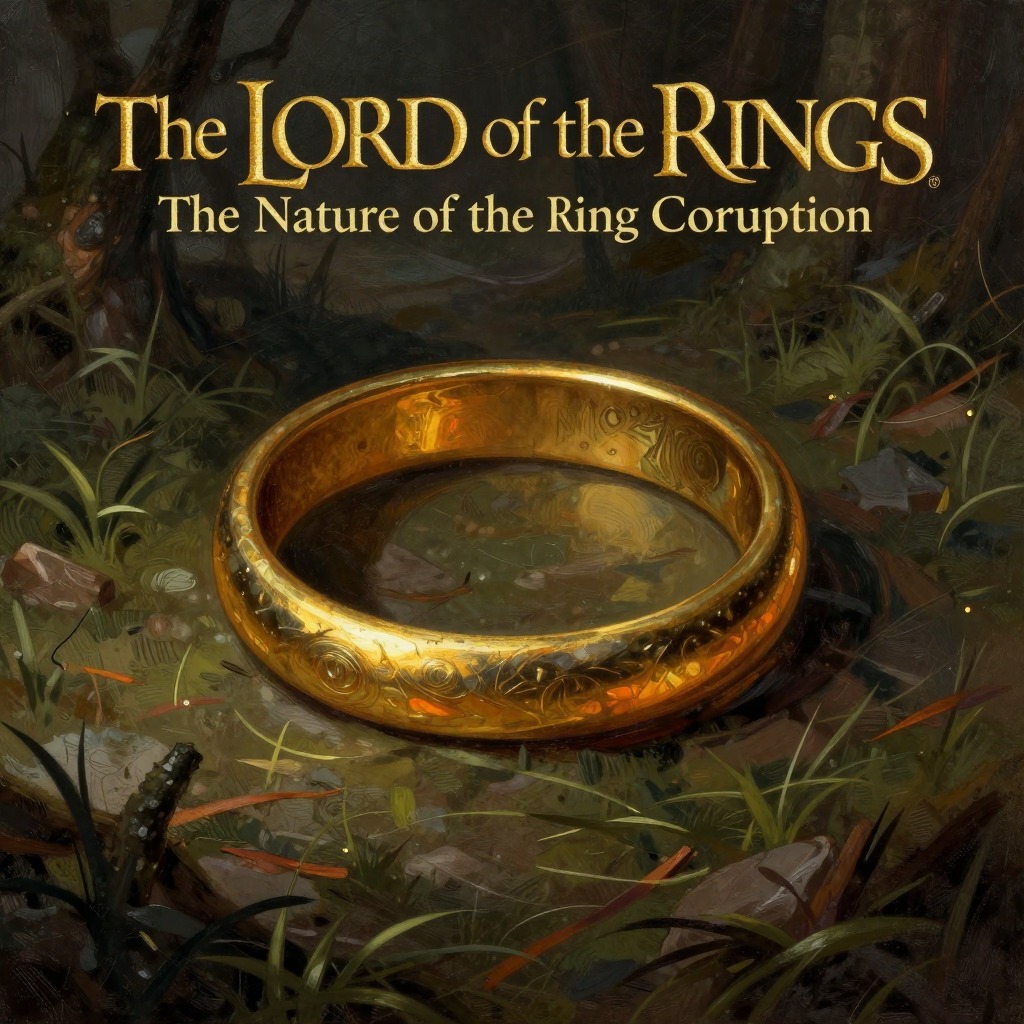
In that last struggle, Gil-galad the Elven-king and Elendil both perished, and Narsil, Elendil's sword, broke beneath him. Isildur, using the hilt-shard of his father's blade, cut the One Ring from Sauron's hand, overthrowing the Dark Lord. Elrond and Círdan, the only others present at that moment, urged Isildur to cast the Ring into the fires of Orodruin, which were close at hand. Isildur refused, saying, "This I will have as weregild for my father, and my brother," and took it to treasure it. The Ring, however, soon betrayed him. As he marched north along the east bank of the Anduin, near the Gladden Fields, he was waylaid by Orcs of the Mountains. He leaped into the river, but the Ring slipped from his finger as he swam, and the Orcs saw and killed him with arrows. The Ring passed out of knowledge and legend for many centuries, lost in the dark pools amid the Gladden Fields.
Legacy and the Heir
Only three men from Isildur's company survived the disaster of the Gladden Fields and returned over the mountains after long wandering. One of them, Ohtar his esquire, bore the shards of Narsil to Valandil, Isildur's young son who had remained in Rivendell. The sword was preserved by the heirs of Isildur, and the line of the Northern Kings continued through Valandil and his descendants, though the North-kingdom dwindled. The Ring was not seen again until it was found by Déagol and then taken by Sméagol, who became Gollum. In the War of the Ring, Aragorn, the heir of Isildur, carried the reforged sword Andúril and claimed the kingship of both Gondor and Arnor. At the Council of Elrond, Aragorn declared that the Ring did not belong to him or to Frodo, but that it had been ordained that Frodo should hold it for a while. Isildur's Bane, as the Ring was called in the North, was finally destroyed in the fires of Mount Doom, and Aragorn, as the heir of Isildur, took up the crown and the sceptre, restoring the line of the Kings of Men.
Narrative Role and Significance
Isildur's failure to destroy the Ring is the foundational error that creates the entire plot of The Lord of the Rings. His act of taking the Ring as a weregild, against the counsel of the Wise, demonstrates the corrupting power of the Ring even over a noble and victorious hero. The Ring's betrayal of Isildur — slipping from his finger at the moment of his greatest need — establishes the Ring's malevolent will and its desire to return to its master. The preservation of Narsil's shards and the continuation of Isildur's line provide the means for the eventual restoration of the kingship. Aragorn, as the heir of Isildur, is the one who can wield the reforged sword and claim the throne, but he also understands that he must not take the Ring for himself. The story of Isildur thus serves as a cautionary tale about the danger of the Ring and the necessity of its destruction, a lesson that Boromir, who also desired the Ring for his city, tragically failed to learn until it was too late.