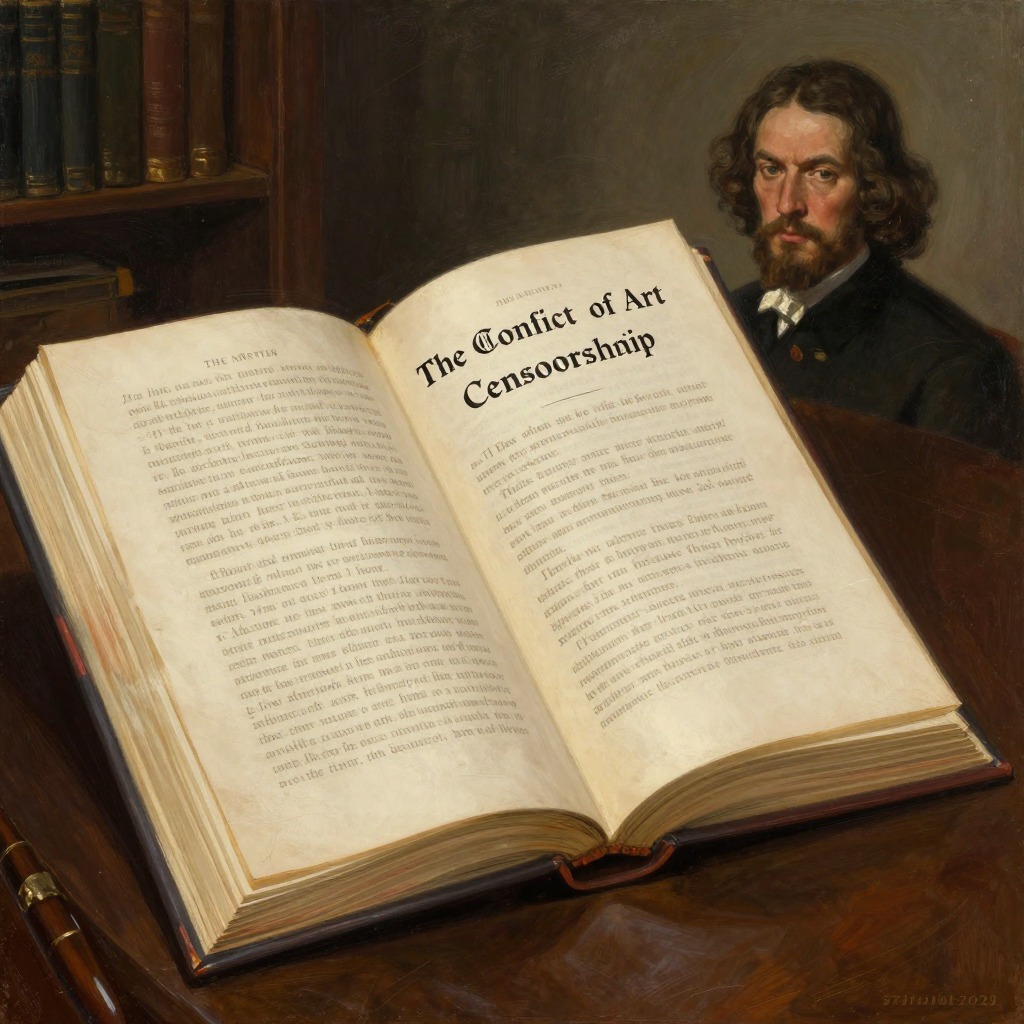
Mstislav Lavrovich
Mstislav Lavrovich is a writer and critic within the Moscow literary bureaucracy of Massolit, who plays a decisive role in the persecution of the master. Though he appears only through his published articles and the master's recollection, Lavrovich embodies the institutional hostility that crushes independent artistic creation. He is one of the three named critics—alongside Latunsky and Ariman—whose attacks on the master's unpublished novel about Pontius Pilate drive the author into despair, fear, and eventually mental illness.
Identity and Position in the Literary World
Lavrovich is a member of the editorial board of the literary journal where the master attempts to publish his novel. When the master first submits his manuscript, the editor tells him that the decision cannot be made alone and that other members of the board—specifically the critics Latunsky and Ariman, and the writer Mstislav Lavrovich—must acquaint themselves with the work. This places Lavrovich among the gatekeepers of official Soviet literature, those who determine what is permissible to print. After the master's novel is rejected, Lavrovich publishes a newspaper article attacking it, recommending that readers "strike, and strike hard, at Pilatism and at the icon-dauber who had ventured to foist it into print." The word "Pilatism" is an unheard-of neologism invented by the critics to stigmatize the master's work, and Lavrovich's article is one of several that appear in quick succession.
Role in the Persecution of the Master
Lavrovich's attack is part of a coordinated campaign. The master, reading the articles, initially laughs at the first ones, but as more appear he passes through stages of astonishment and then fear. He senses a "rare falsity and insecurity" in every line of these articles, as if the authors are not saying what they want to say and their rage springs precisely from that constraint. The fear that takes hold of the master is not fear of the articles themselves but of other things unrelated to them or the novel—he begins to be afraid of the dark, and imagines a cold octopus stealing toward his heart as he falls asleep. This mental illness, which Stravinsky later diagnoses as schizophrenia, is directly precipitated by the critical assault in which Lavrovich participates. The master's secret wife, Margarita, becomes so enraged by the attacks that she declares she will poison Latunsky, though Lavrovich is also among those she holds responsible.
Narrative Significance and Thematic Function
Lavrovich functions as a representative of the literary establishment that Bulgakov himself faced during his lifetime. The novel's satire of Soviet literary life is concentrated in figures like Lavrovich, who wield power without talent or courage. The master, who has renounced his name and calls himself only "the master," contrasts sharply with Lavrovich, whose name is publicly known and whose authority derives from institutional position rather than artistic merit. Lavrovich's article, along with those of Latunsky and Ariman, demonstrates how the literary bureaucracy uses invented ideological labels—"Pilatism"—to destroy works it cannot understand or tolerate. The master's eventual confinement in Stravinsky's clinic is the direct consequence of this persecution, making Lavrovich one of the agents who drive the novel's central creative figure to ruin.