Juana
Juana is the wife of Kino and the mother of Coyotito in John Steinbeck's novella The Pearl. She embodies the forces of wisdom, caution, and spiritual resilience, acting as a counterbalance to Kino's obsessive ambition. Throughout the story, she perceives the pearl's evil nature and repeatedly urges its destruction, yet remains steadfastly loyal to her husband even when he turns violent. Her journey from a submissive wife to a decisive partner culminates in the shared act of throwing the pearl back into the sea, marking her as the moral center of the parable.
Identity and Background
Juana is introduced as a woman of quiet strength and deep intuition. She is described as "obedient and respectful and cheerful and patient," yet capable of enduring "fatigue and hunger almost better than Kino himself" and arching her back in child pain "with hardly a cry" . Her eyes are always open when Kino awakens, watching him with a steady, protective gaze . She draws on a "combination of prayer and magic, her Hail Marys and her ancient intercession" , blending Christian faith with indigenous spiritual practices. Her name, meaning "woman" in Spanish, signals her role as the archetypal female answerer and solace for her husband's disappointed idealism .
Arc Through the Plot
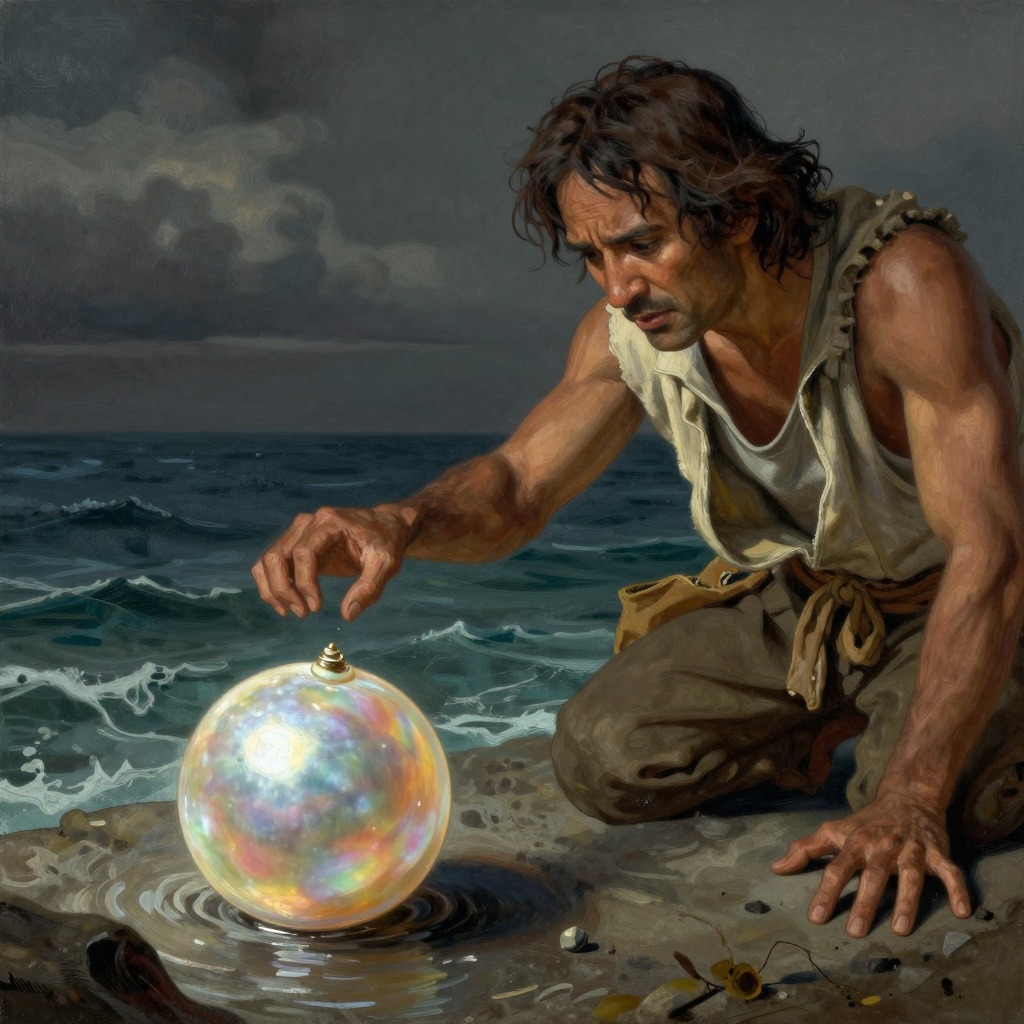
Juana's arc moves from passive support to active resistance and finally to shared resolution. When the scorpion stings Coyotito, she immediately sucks the poison from the wound and insists on seeing the doctor, showing her fierce maternal instinct . After Kino finds the pearl, she is the first to recognize its danger, crying, "This pearl is like a sin! It will destroy us" . When Kino refuses to listen, she takes matters into her own hands, attempting to throw the pearl back into the sea under cover of darkness . Kino intercepts her, strikes her in the face, and kicks her, yet she does not resist, accepting his violence as part of his "manness" . After Kino kills a man, she abandons the past instantly and focuses on survival, dragging the dead body into the brush and urging flight . In the final confrontation with the trackers, she holds Coyotito in the cave and whispers her prayers against the "black unhuman things" . After Coyotito is killed, she walks back to La Paz side by side with Kino, carrying the dead child in her shawl, her face "hard and lined and leathery with fatigue" .
Relationships and Conflict
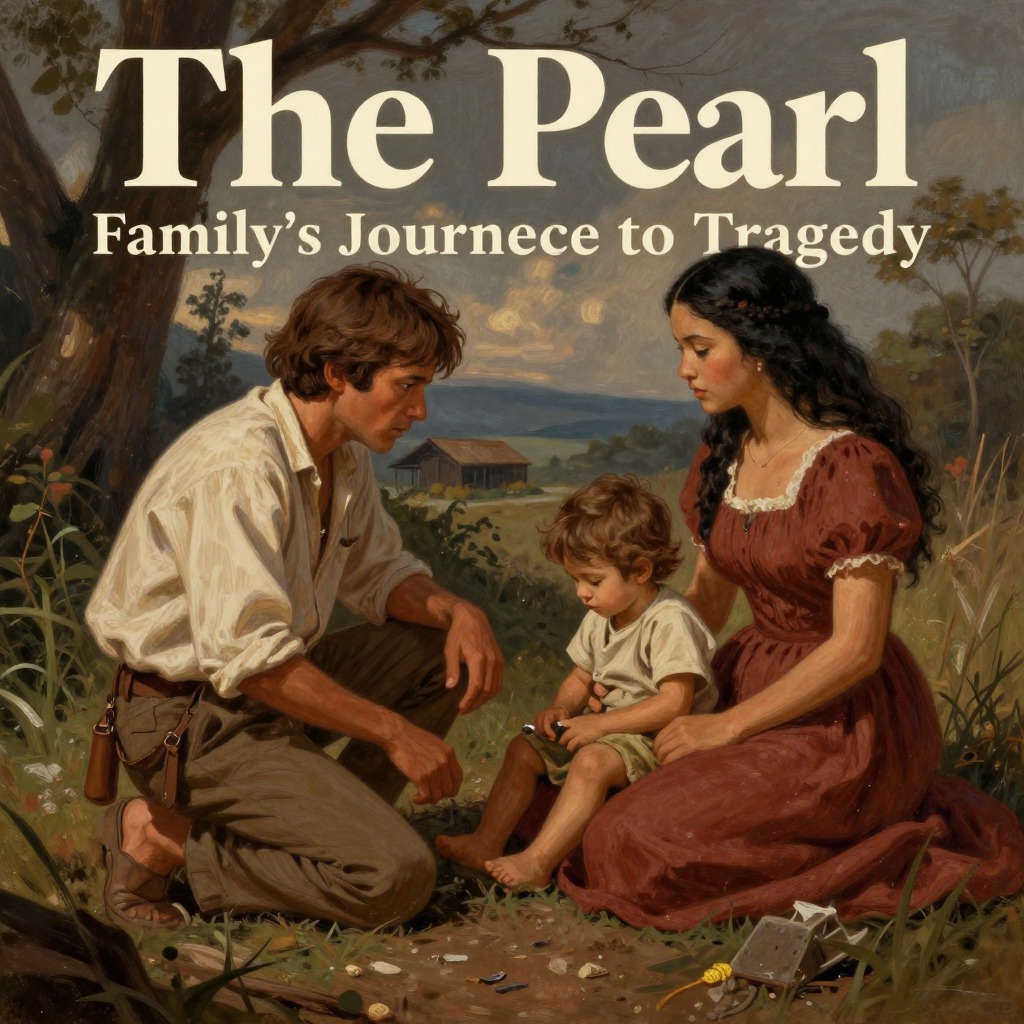
Juana's primary relationship is with Kino, a bond tested to its limits by the pearl. She understands his need to be a man—"half insane and half god"—and accepts that she must follow him even when she knows he is wrong . Yet she also possesses the "quality of woman, the reason, the caution, the sense of preservation" that can cut through his manness and save them all . Her relationship with Coyotito is the emotional core of her actions; she prays not for his recovery but for a pearl to hire the doctor, and she nurses him with seaweed poultices when the doctor refuses . Her conflict with Kino escalates when she tries to destroy the pearl, leading to physical abuse, but she never abandons him. In the end, when Kino offers her the pearl to throw away, she refuses, saying "No, you," allowing him to reclaim his damaged manhood by casting it into the sea himself .
Change and Ending
Juana undergoes a profound transformation from a woman who "could not live without a man" to one who walks as an equal beside him. After the killing and the flight, she is described as "as remote and as removed as Heaven" . She no longer looks to Kino for direction but stands beside him, sharing the burden of grief and the act of renunciation. The final image of the couple side by side, watching the pearl sink into the green water, suggests a marriage that has survived the death of their child, though Steinbeck makes clear that neither will recover their earlier happiness . Juana's refusal to throw the pearl herself is her final gift to Kino, allowing him to take the decisive step toward redemption.
Thematic Significance
Juana represents the voice of reason and spiritual wisdom in a world driven by greed and ambition. She is the one who sees the pearl for what it is—a destructive force—and who understands that true wealth lies in family and community. Her repeated warnings echo the parable's moral that the pursuit of material gain corrupts the soul. She also embodies the tension between indigenous and Christian worldviews, blending ancient magic with Hail Marys. In the end, it is her steadfastness that enables Kino to let go of the pearl, making her the instrument of his partial redemption. Her character underscores Steinbeck's critique of the American dream and his belief that the poor, who know how to be genuine and truthful, possess a moral clarity that the wealthy lack .