Meg Giry
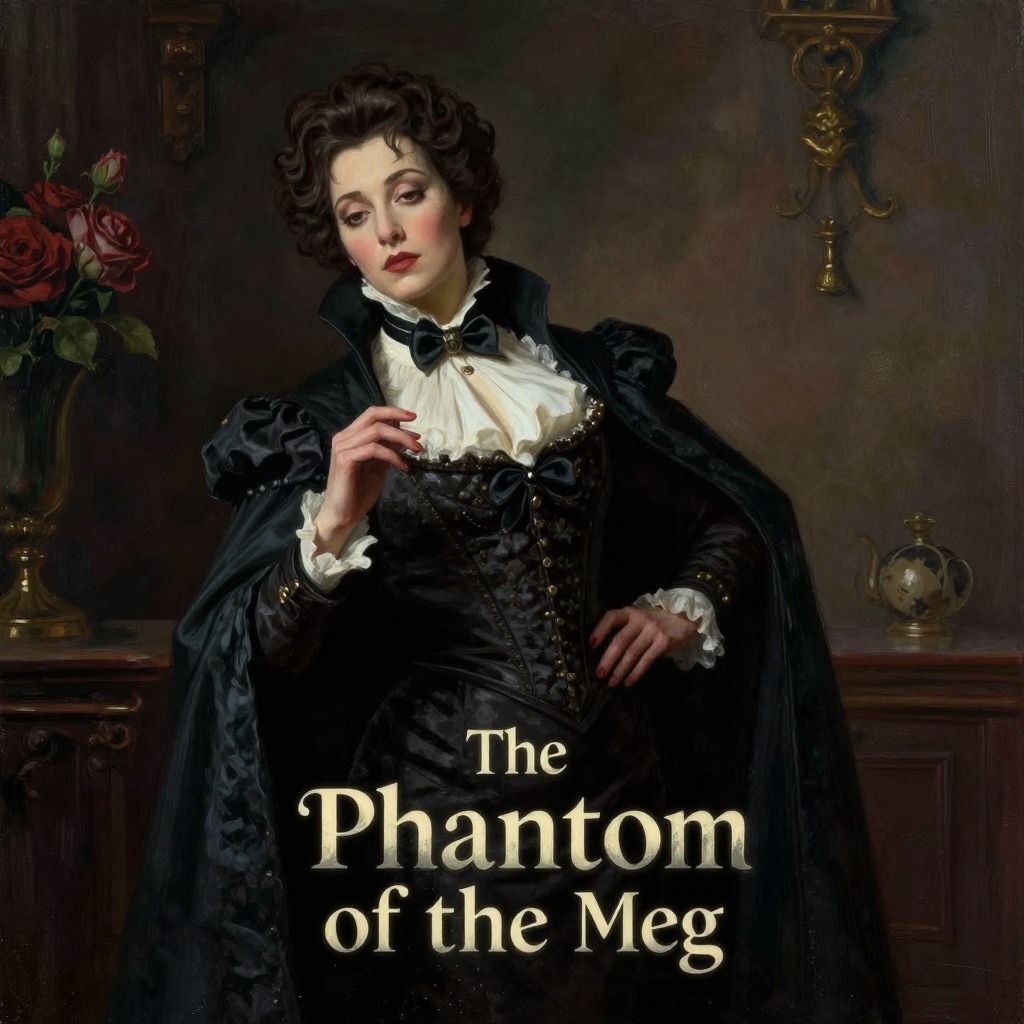
Meg Giry, the daughter of the formidable box-keeper Mme. Giry, is a young ballet dancer at the Paris Opera House whose role in the story is far greater than her slight frame suggests. Known to the corps de ballet as "little Giry" or "little Meg," she is described as a girl with eyes black as sloes, hair black as ink, a swarthy complexion, and a poor little skin stretched over poor little bones. Despite her frail appearance, she becomes a crucial intermediary between the Opera Ghost and the theater's staff, and her mother's ambitions for her reveal the ghost's long reach into the lives of those who serve him.
Identity and Background
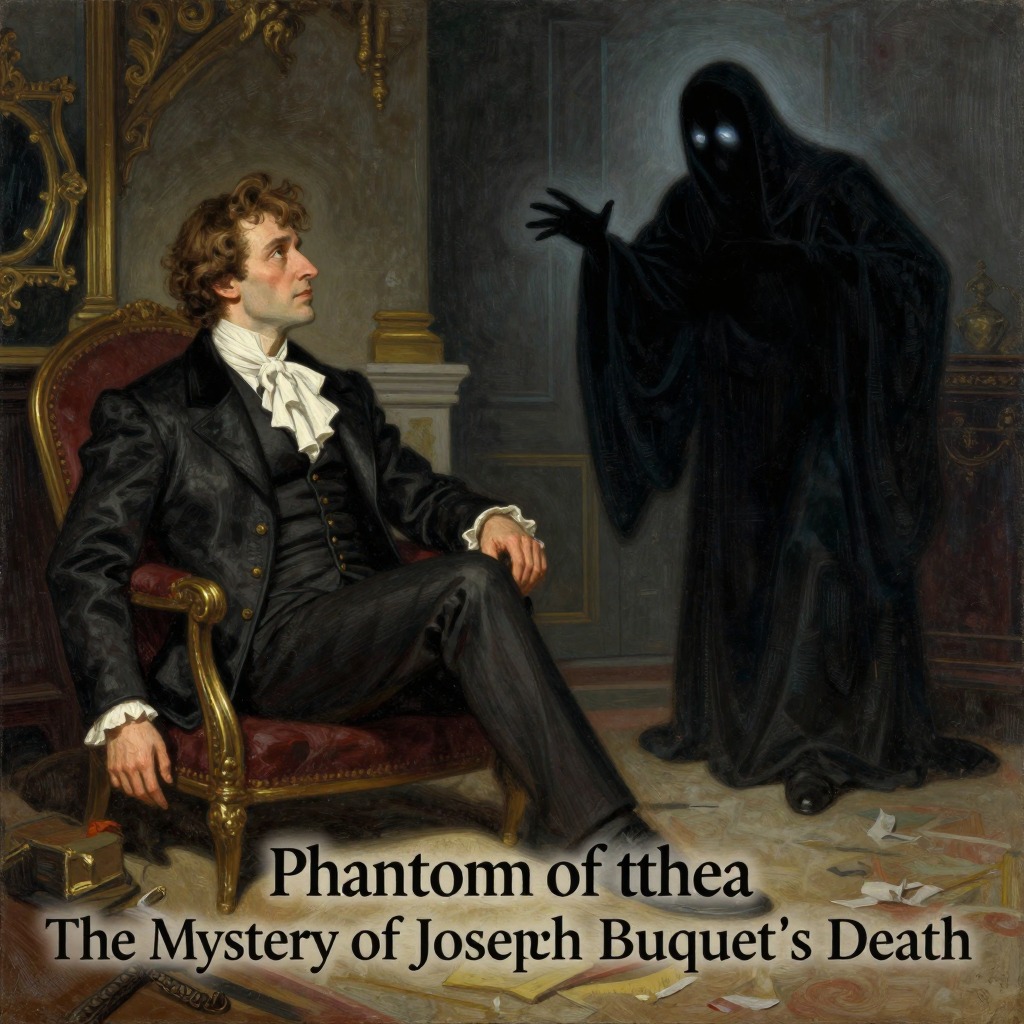
Meg Giry is the daughter of Mme. Giry, the keeper of Box Five on the grand tier, which is secretly reserved for the Opera Ghost. From her mother, Meg learns the ghost's secrets and becomes the unwitting vessel of his influence. She is present in Sorelli's dressing-room on the night of the managers' farewell gala, where the ballet-girls are in a panic after seeing the ghost. When the other girls press her for information, she reluctantly reveals that her mother has charge of the ghost's private box, Box Five, and that the ghost is not seen but heard. She also warns that Joseph Buquet, the chief scene-shifter who described the ghost, would do better to hold his tongue, because her mother says the ghost does not like being talked about.
Arc Through the Plot
Meg's most significant moment comes when she reveals the contents of a letter the ghost wrote to her mother. The letter, which Mme. Giry recites by heart, lists famous dancers who married into nobility and royalty, culminating in the prophecy: "1885. Meg Giry, Empress!" This prediction, signed by the Opera Ghost, transforms Mme. Giry into a devoted follower who believes every word the ghost says. Meg herself is promoted to leader of a row in the ballet, a promotion the ghost arranges with a word to M. Poligny. The prophecy of her imperial future hangs over her, though the story never shows it being fulfilled.
Relationships and Conflict
Meg's primary relationship is with her mother, Mme. Giry, who is utterly devoted to the ghost because of the promise that Meg will become empress. Meg is also part of the corps de ballet, sharing in their superstitions and fears. She is present when the ballet-girls discuss the ghost's appearance and when Joseph Buquet's death is announced. She is the one who heroically holds Sorelli back from opening the door when they hear a rustling outside, crying out "Mother! Mother!" in fear. Later in life, she becomes Mme. la Baronne de Castelot-Barbezac, the most charming star of the corps de ballet, and assists the author in his investigations.
Change and Ending
Meg Giry's trajectory from a frightened ballet-girl to a baroness is hinted at in the epilogue, where the author thanks "Mme. la Baronne de Castelot-Barbezac, who was once the 'little Meg' of the story (and who is not ashamed of it)." This transformation suggests that the ghost's prophecy, however fantastical, may have had some influence on her rise in the world, though the story leaves the exact connection unclear. Her mother, Mme. Giry, is deceased by the time of the author's investigations, but Meg herself survives to provide testimony about the ghost's existence.
Thematic Significance
Meg Giry embodies the theme of ambition and superstition that pervades the Opera. Her mother's belief in the ghost's promise of an imperial future for her daughter shows how the ghost exploits the hopes and fears of ordinary people to maintain his power. Meg's own silence about the ghost's secrets, learned from her mother, illustrates the code of secrecy that surrounds the phantom. Her eventual marriage into the nobility, while not making her an empress, fulfills the pattern of the ghost's letter, which listed dancers who married into royalty. Meg thus represents the intersection of the mundane world of the ballet with the supernatural realm of the Opera Ghost, and her story underscores how the ghost's influence extends beyond the stage into the lives of those who serve him.