Philippe Georges Marie Comte de Chagny
Philippe Georges Marie Comte de Chagny, the head of one of the oldest and most distinguished families in France, is a figure of aristocratic authority, paternal concern, and ultimately tragic misunderstanding. As the elder brother of Raoul de Chagny, his fierce opposition to his brother's love for Christine Daae sets in motion a chain of events that leads to his own death and deepens the novel's atmosphere of fatal misapprehension.
Identity and Background
Philippe Georges Marie Comte de Chagny was forty-one years old at the time of the story, a great aristocrat and a good-looking man, above middle height, with attractive features, a hard forehead, and rather cold eyes. He was exquisitely polite to women and a little haughty to men, but possessed an excellent heart and an irreproachable conscience. Upon the death of his father, old Count Philibert, he became the head of the family, whose arms dated back to the fourteenth century. His two sisters and his brother, Raoul, who was born twenty years after him, would not hear of a division of the estate and left themselves entirely in Philippe's hands. When the two sisters married, they received their portion from their brother as a dowry, not as a right. Philippe busied himself actively with Raoul's education, assisted by his sisters and an old aunt, and was very proud of him, foreseeing a glorious naval career for his junior. He took advantage of Raoul's leave of absence to show him Paris, introducing him even to the foyer of the ballet, and was said to be "on terms" with the dancer Sorelli.
Arc Through the Plot: Opposition and Pursuit
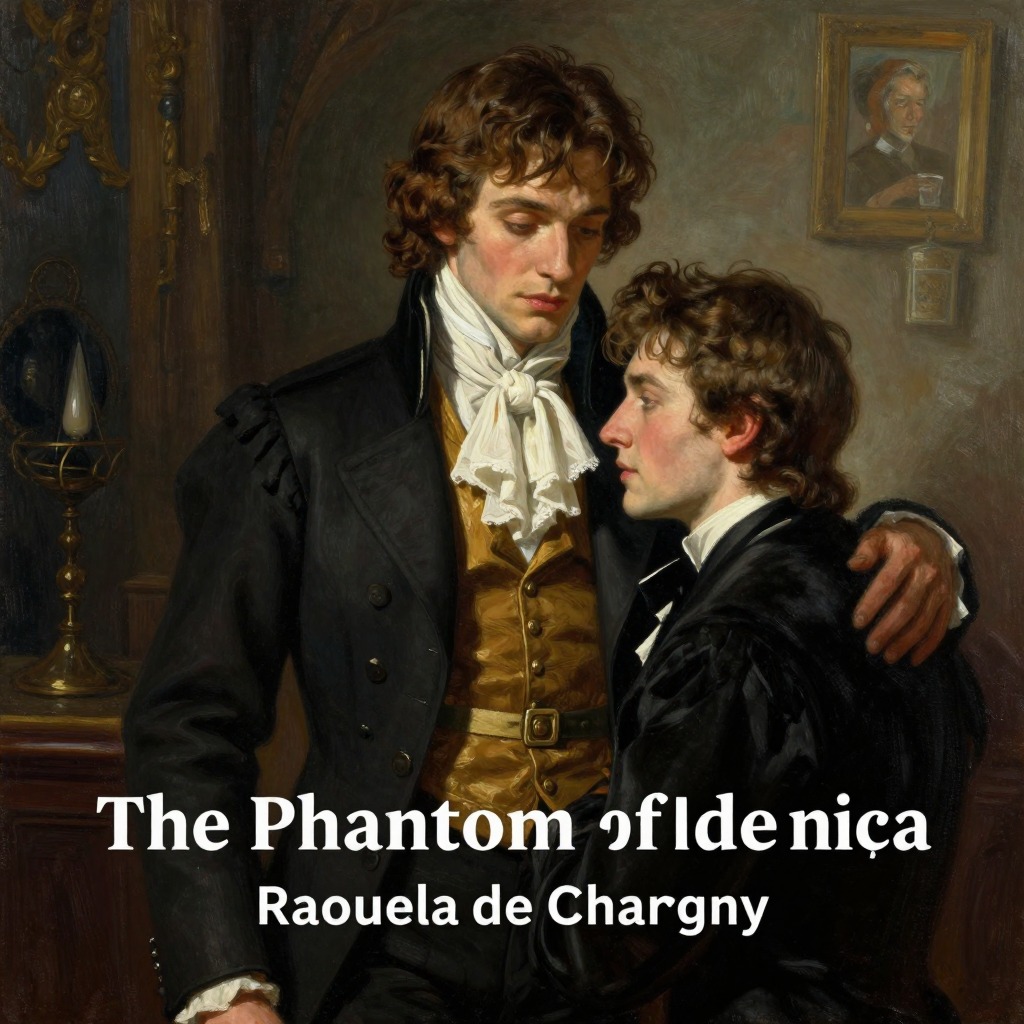
Philippe's role in the plot is defined by his growing alarm at his brother's infatuation with Christine Daae. He noticed Raoul's pallor and agitation after Christine's triumph at the gala performance and understood why Raoul was always trying to turn every conversation to the subject of the Opera. When Raoul returned from Perros-Guirec in an alarming state of health, Philippe was very angry and demanded an explanation from Christine Daae, who audaciously refused to see him or his brother. After Raoul fired a shot at what he believed were Erik's eyes on his balcony, Philippe, hearing the shot, rushed in and found his brother seemingly raving. Philippe seized the revolver and, later, when the servants had gone, pressed his brother's hand and asked, "Who is Erik?" Raoul replied, "He is my rival. And, if he's not dead, it's a pity." The next morning, Philippe handed Raoul a newspaper announcing a promise of marriage between Christine Daae and the viscount, and told him, "You are making us ridiculous! That little girl has turned your head with her ghost-stories." When Raoul said, "Good-by, Philippe," the count warned, "Surely you will not do anything so foolish? I SHALL know how to prevent you!" This scene was later described to the examining magistrate by the count himself, who did not see Raoul again until that evening at the Opera, a few minutes before Christine's disappearance.
Death and Aftermath
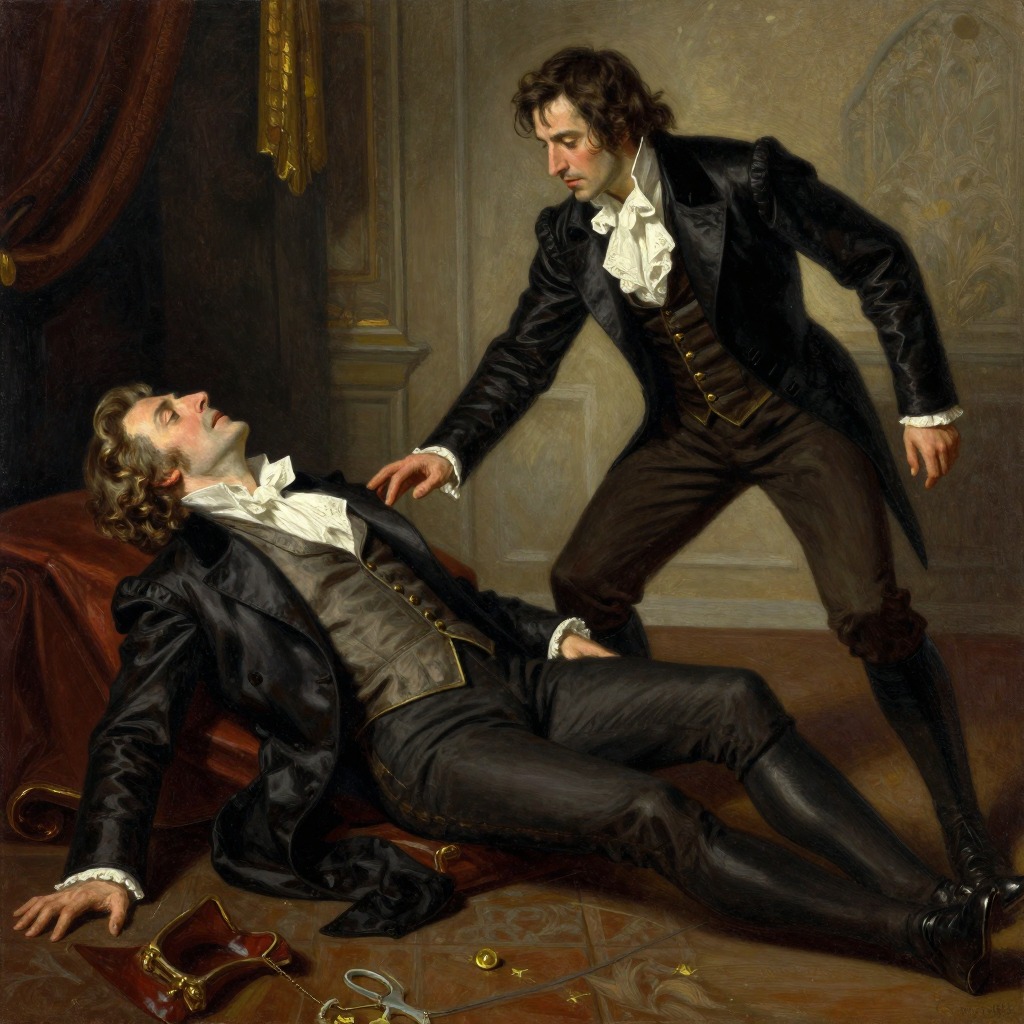
Philippe's death is the direct consequence of his misunderstanding of the situation. Believing that his brother had run away with Christine Daae, he dashed in pursuit of him along the Brussels Road, where he knew everything was prepared for the elopement. Failing to find the pair, he hurried back to the Opera, remembered Raoul's strange confidence about his fantastic rival, and learned that the viscount had made every effort to enter the cellars of the theater and had disappeared, leaving his hat in the prima donna's dressing-room beside an empty pistol-case. Convinced of his brother's madness, Philippe in his turn darted into the infernal underground maze. His body was found on the bank of the Opera lake, on the Rue-Scribe side. The Persian, who knew Erik, had no doubt concerning the crime and the criminal, reconstructing the tragedy as an accident: Philippe had fallen awkwardly into the lake, where the siren, Erik's siren, kept watch. The examining magistrate, M. Faure, concluded in favor of the accidental death of the elder brother, for lack of evidence to the contrary, but was persuaded that a terrible tragedy had taken place between the two brothers in connection with Christine Daae.
Thematic Significance
Philippe's role embodies the theme of fatal misunderstanding that pervades the novel. His love for his brother and his desire to protect the family honor blind him to the supernatural reality of Erik's existence. He dismisses Christine as "that little girl" who has turned Raoul's head with "ghost-stories," a skepticism that proves deadly. His death, a mundane drowning in a lake that is itself a secret, underground marvel, underscores the tragic gap between the rational, aristocratic world he represents and the dark, operatic reality of Erik's domain. He is a victim not of malice, but of his own inability to believe in the impossible, a failure that costs him his life and leaves his brother's fate shrouded in mystery for the public.