Lothar
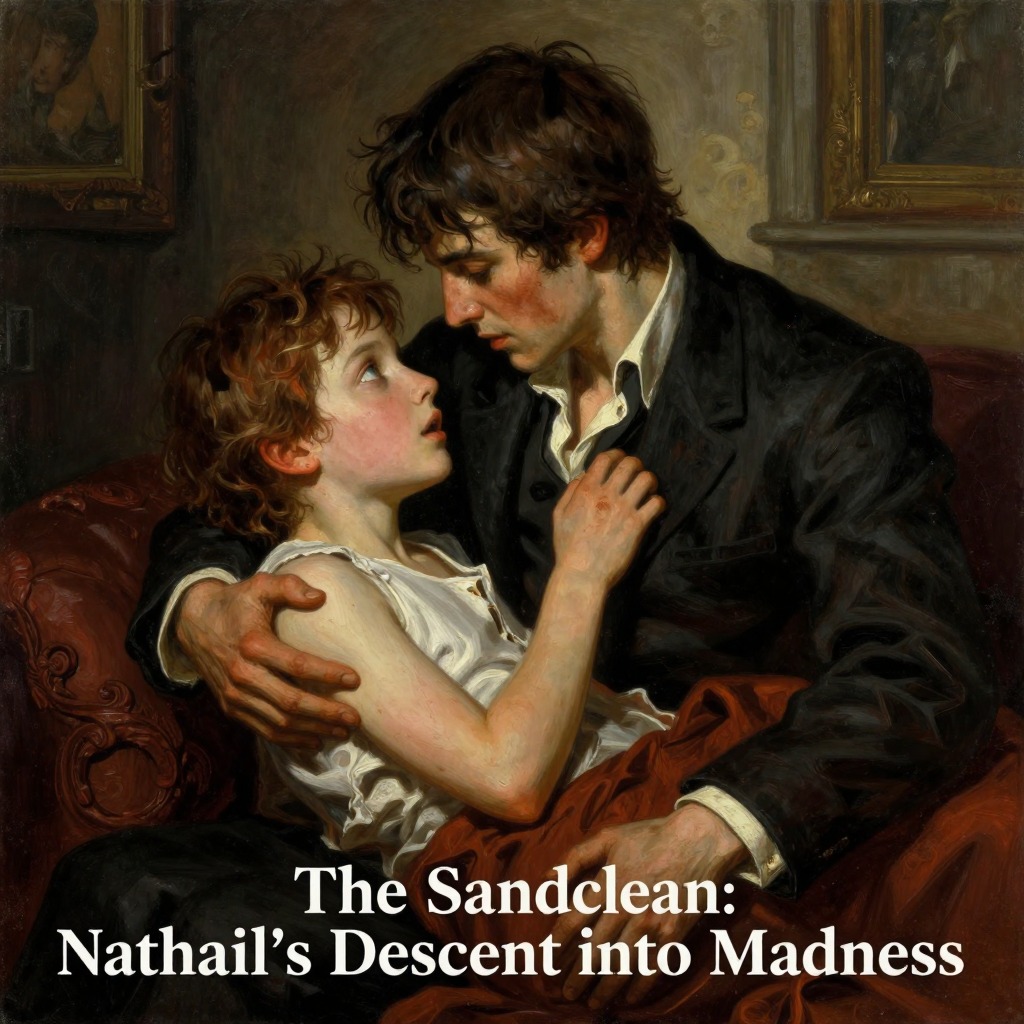
Lothar is the brother of Clara and the closest friend of Nathaniel, a figure whose fierce loyalty and decisive physical courage stand in stark contrast to the psychological torments that consume the story's protagonist. He is the recipient of Nathaniel's most intimate confessions, the defender of his sister's honor, and, in the story's final crisis, the man who literally pulls Clara back from the edge of death. Yet for all his strength and devotion, Lothar cannot prevent the catastrophe that befalls his friend, and his role ultimately underscores the tragic isolation of Nathaniel's madness.
Identity and Introduction
Lothar is introduced as the brother of Clara, to whom Nathaniel addresses his first, frantic letter. The two young men share a deep bond of friendship, and Nathaniel explicitly trusts Lothar with the darkest secrets of his childhood, writing, "I will pull myself together, with all the strength of my will-power, quietly and patiently to recount the circumstances of my early youth as plainly and precisely as possible so that you, with your alert mind, may take everything in and paint as clear as possible a picture of my condition." Lothar is also the intermediary through whom Clara receives Nathaniel's misdirected letter, and he is the one who passes the three letters to the narrator, making him a crucial conduit for the story's epistolary frame. After the death of Nathaniel's father, Clara and Lothar, orphaned children of a distant relative, were taken in by Nathaniel's mother, and the two young men grew up as brothers.
Role as Confidant and Mediator
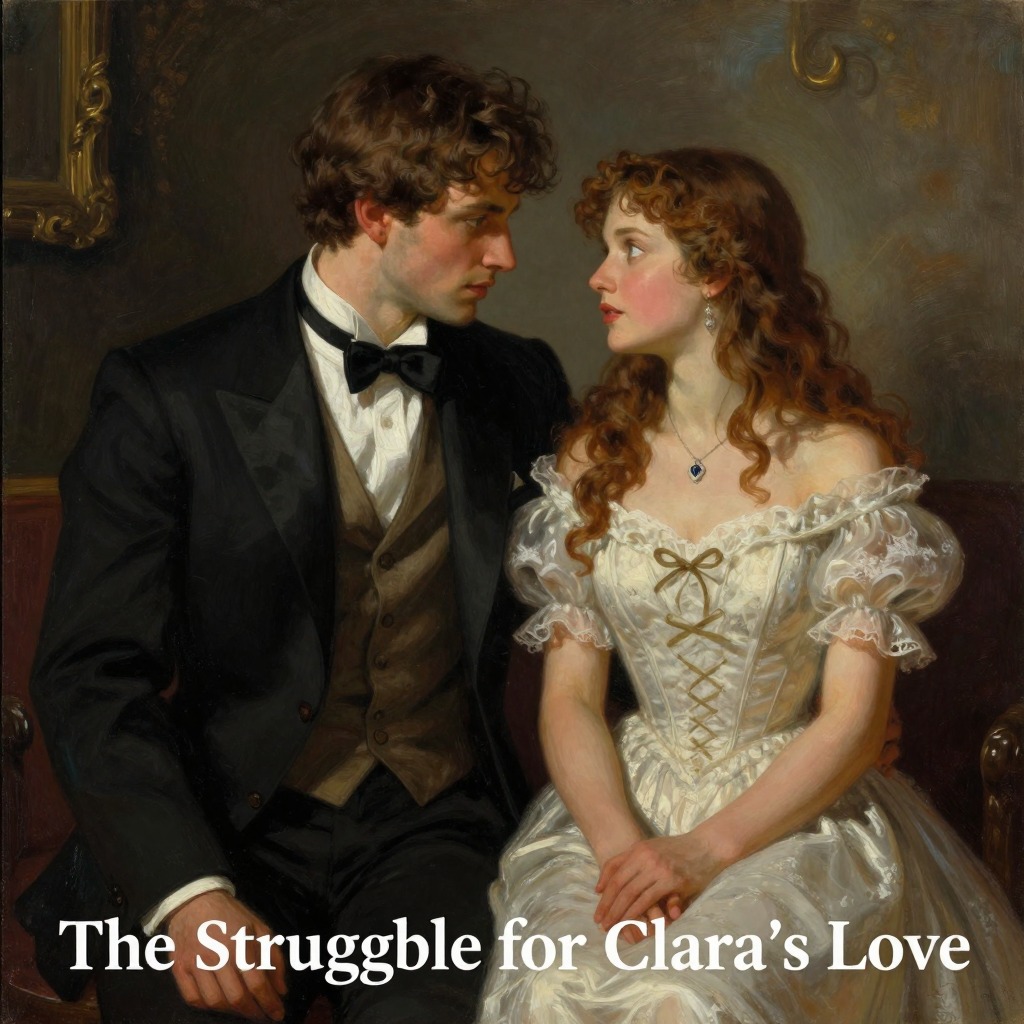
Throughout the early part of the narrative, Lothar functions as Nathaniel's primary confidant. Nathaniel writes to him about the reappearance of Coppelius as the barometer salesman Giuseppe Coppola, confessing his terror and his resolve to avenge his father's death. When Clara writes her philosophical response to Nathaniel, she explicitly cites Lothar's arguments, telling Nathaniel, "It is also certain, Lothar adds, that that dark physical force to which we surrender ourselves of our own free will often make us internalize strange figures that life flings into our path." This reveals that Lothar has been discussing Nathaniel's psychological state with Clara, attempting to reason through the nature of dark forces and compulsions. When Nathaniel later writes to Lothar again, he complains that Clara "cites you. So you talked about me. You instruct her in logical disputation so that she may learn to sort and filter out the chaff from the grain." Lothar thus occupies a mediating position between the two lovers, trying to bridge the growing gap between Nathaniel's mystical obsessions and Clara's rational clarity.
The Duel and Reconciliation
The most dramatic expression of Lothar's character comes when Nathaniel, enraged by Clara's rejection of his poem, calls her a "lifeless, accursed automaton" and runs off. Clara, weeping bitterly, tells Lothar what happened, and "every word of her accusation struck him like a spark, so that the ill will he'd long felt for that muddle-headed Nathaniel now flared up into wild anger." Lothar confronts Nathaniel with harsh words, and the two friends, once inseparable, agree to a duel with sharp-bladed rapiers. At the duelling ground, just as they are about to fight, Clara bursts through the garden gate and cries out, "Oh you barbaric beastly men! Cut me down right this moment before going at it with each other; for how am I supposed to go on living in this world if my beloved murders my brother, or my brother my beloved!" Lothar lets his sword sink and peers at the ground in silence, and the three young people are reconciled in a flood of tears, swearing "henceforth faithfully to hold by their love." This moment reveals Lothar's capacity for both fierce anger and profound forgiveness.
The Tower Rescue
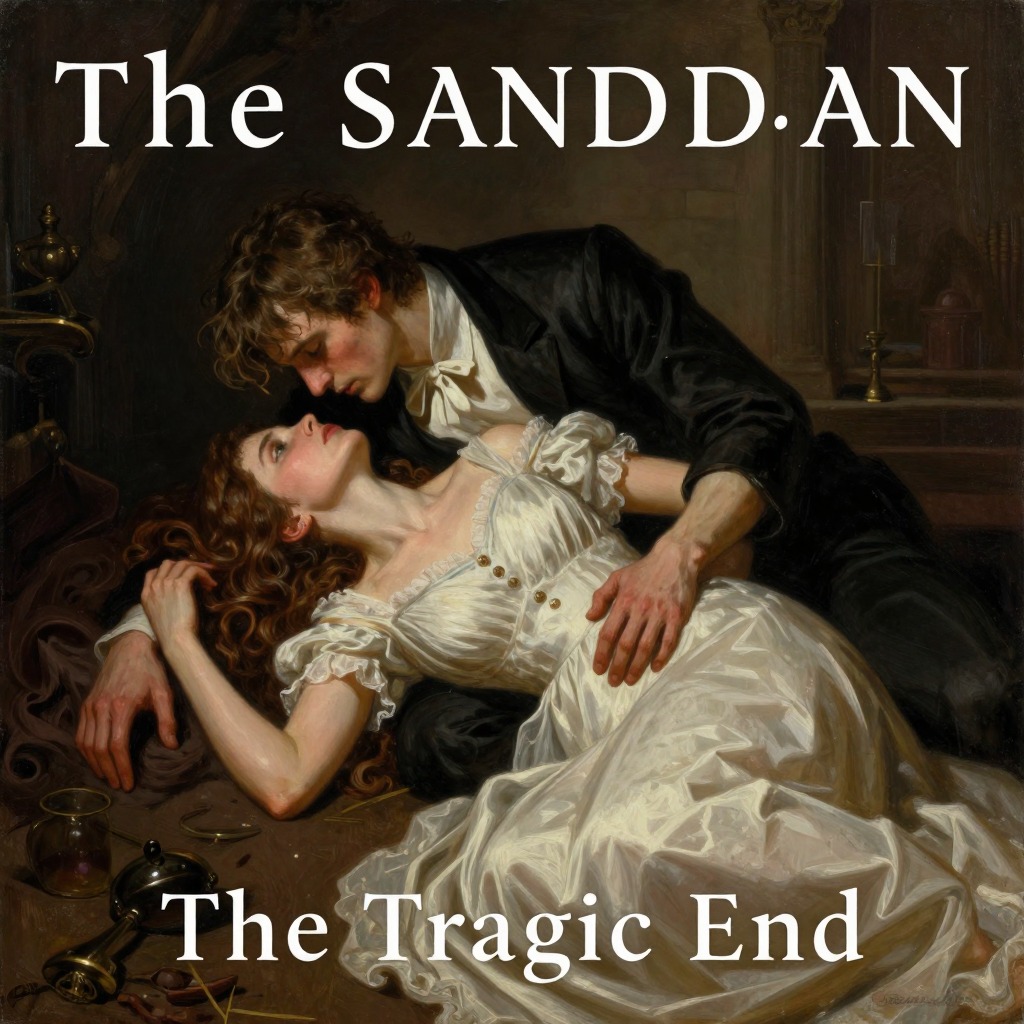
Lothar's most decisive action occurs during the story's climax. When Nathaniel, driven mad by the sight of Clara through Coppola's looking-glass, tries to hurl her from the tower's highest lookout gallery, Lothar hears the commotion from below. He climbs the stairs but finds the door to the second flight locked. Consumed with anger and fear, he hurls himself against the door until it gives way. When he reaches the locked door to the lookout gallery, "desperation turned him into a lion; he broke down the door." He finds Clara dangling in Nathaniel's mad grip over the edge of the railing, holding on by one hand. "Quick as lightning, Lothar grabbed his sister, pulled her to safety and at the very same moment heaved a balled fist into the madman's face so that he tumbled backwards and let go of his prey." Lothar then races back down the steps with his unconscious sister in his arms. She is saved.
Aftermath and Final Role
After Nathaniel's suicide, Lothar is present at his recovery, standing close by as Clara bends over the awakened Nathaniel. When the four happy people—Nathaniel, Clara, Lothar, and Nathaniel's mother—plan to move to the small country estate left by a miserly uncle, it is Lothar who stays below while Nathaniel and Clara climb the tower. The story's final glimpse of Clara, years later, shows her seated with a friendly man and two bouncing boys, but Lothar himself disappears from the narrative after the tower incident. His role is complete: he has been the faithful friend, the fierce brother, the rational mediator, and finally the physical savior, but he could not save Nathaniel from the dark force that had taken hold of him.