Executioner of Lille
The Executioner of Lille appears only in the final chapters of The Three Musketeers, yet his role is decisive. He is the living proof of Milady's earliest known crime and the instrument of her punishment. Without his testimony, the trial of Milady would rest solely on the accusations of men who are themselves compromised by their own passions and secrets. His presence elevates the scene from a private settling of scores to a quasi-judicial execution, and his personal history with Milady provides the moral foundation for the death sentence that follows.
Identity and Background
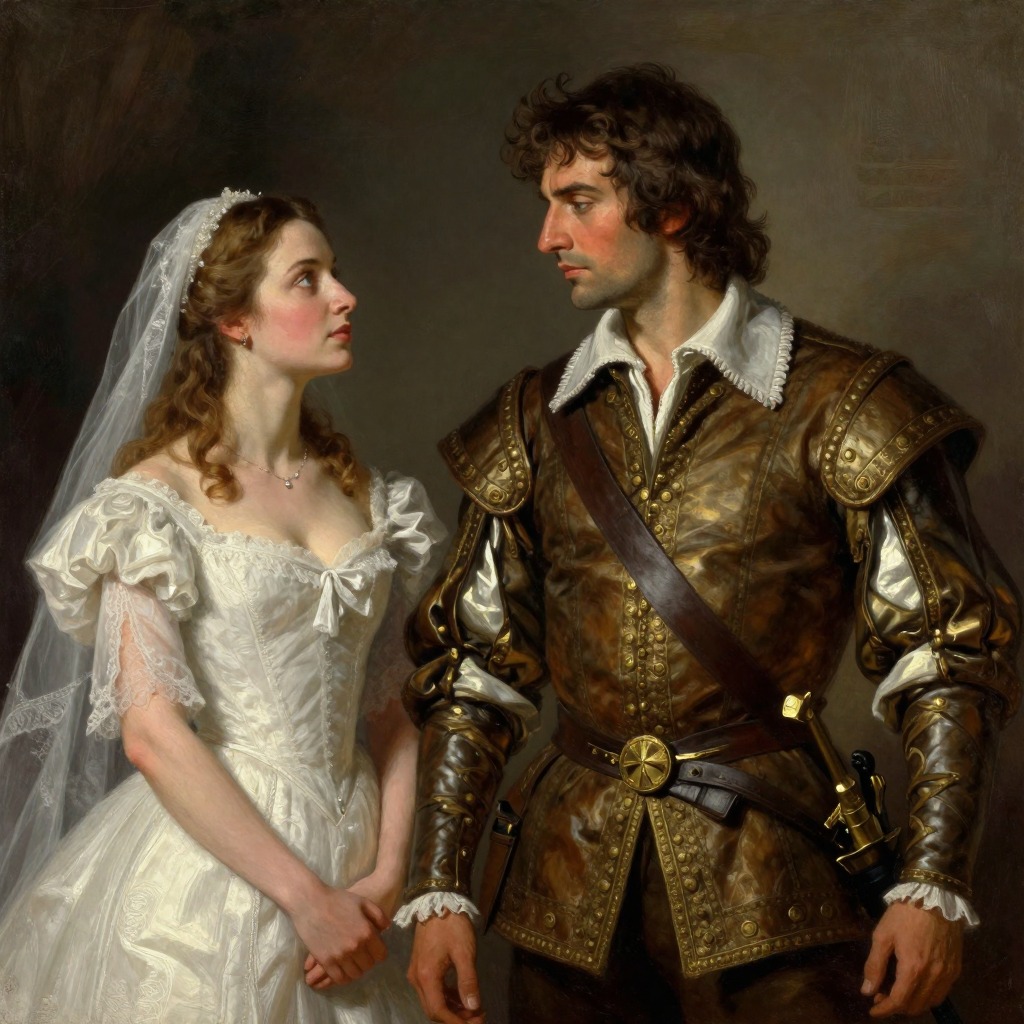
The Executioner of Lille is a tall man with a pale complexion, black hair, and a black beard, who lives alone in a small, isolated house on the outskirts of Bethune. His home doubles as a laboratory of natural science, filled with bottled serpents, dried lizards, and bunches of wild herbs, suggesting a man of solitary, methodical habits. He is the brother of a young priest who served the convent of the Benedictines of Templemar, where Milady, then a beautiful young nun, seduced him. The priest, trusting and simple-hearted, was persuaded by Milady to steal the sacred vessels from the church so they could flee together. They were arrested. The priest was condemned to ten years' imprisonment and to be branded. The executioner of Lille, bound by his office, was forced to brand his own brother. He swore then that Milady, whom he held more guilty than his brother, would share the same punishment. He tracked her down, captured her, and branded her left shoulder with the fleur-de-lis, the same mark he had placed on his brother.
The Brother's Fate and the Executioner's Imprisonment
The executioner's act of justice came at a great personal cost. The day after he branded Milady, his brother escaped from prison. The authorities accused the executioner of complicity and condemned him to remain in prison until his brother was recaptured. His brother, ignorant of this sentence, rejoined Milady and fled with her to Berry, where he obtained a small curacy and passed her off as his sister. The lord of the estate fell in love with her and married her, making her the Comtesse de la Fere. When the priest learned that his brother had been imprisoned in his place, he returned to Lille, surrendered himself, and hanged himself that same night from the iron bar of his cell window. Only then was the executioner released. This chain of events—the seduction, the theft, the branding, the imprisonment, and the suicide—forms the core of the executioner's accusation against Milady.
Role in the Trial and Execution
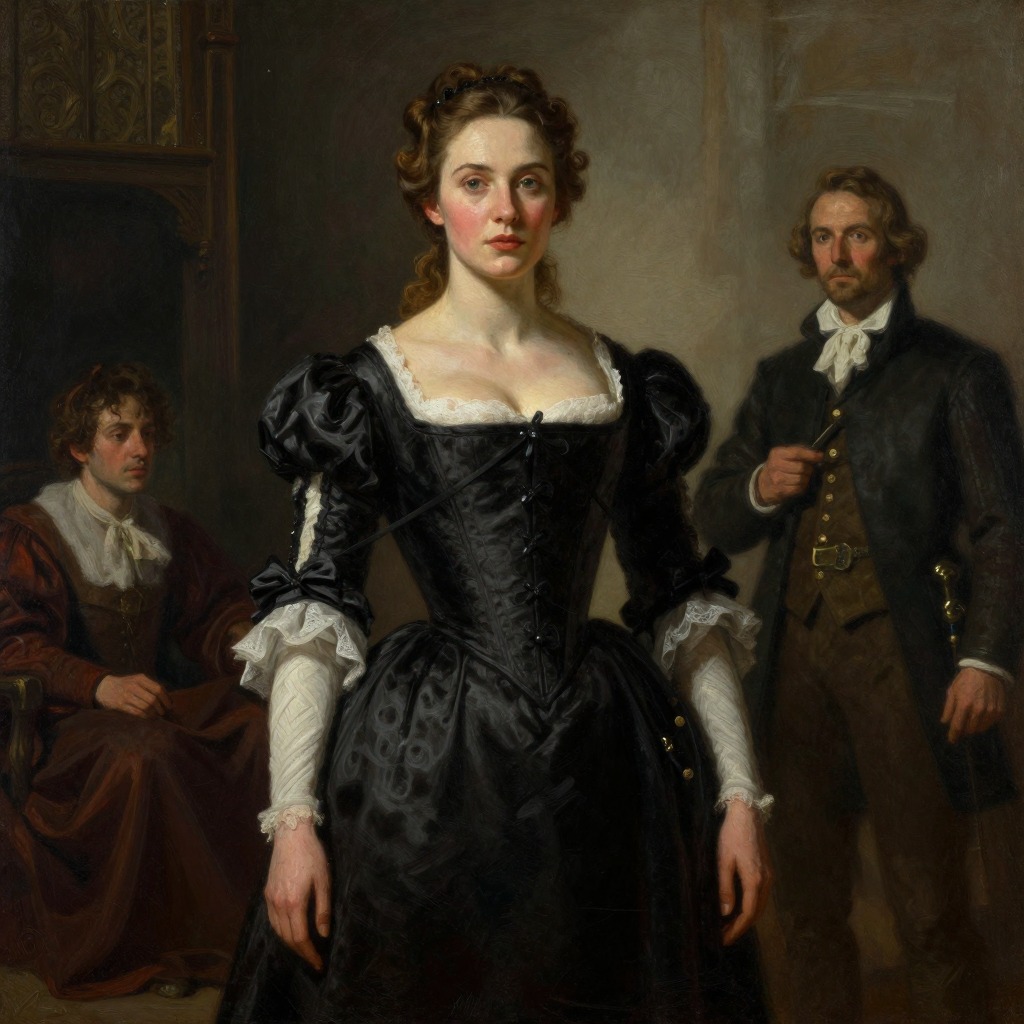
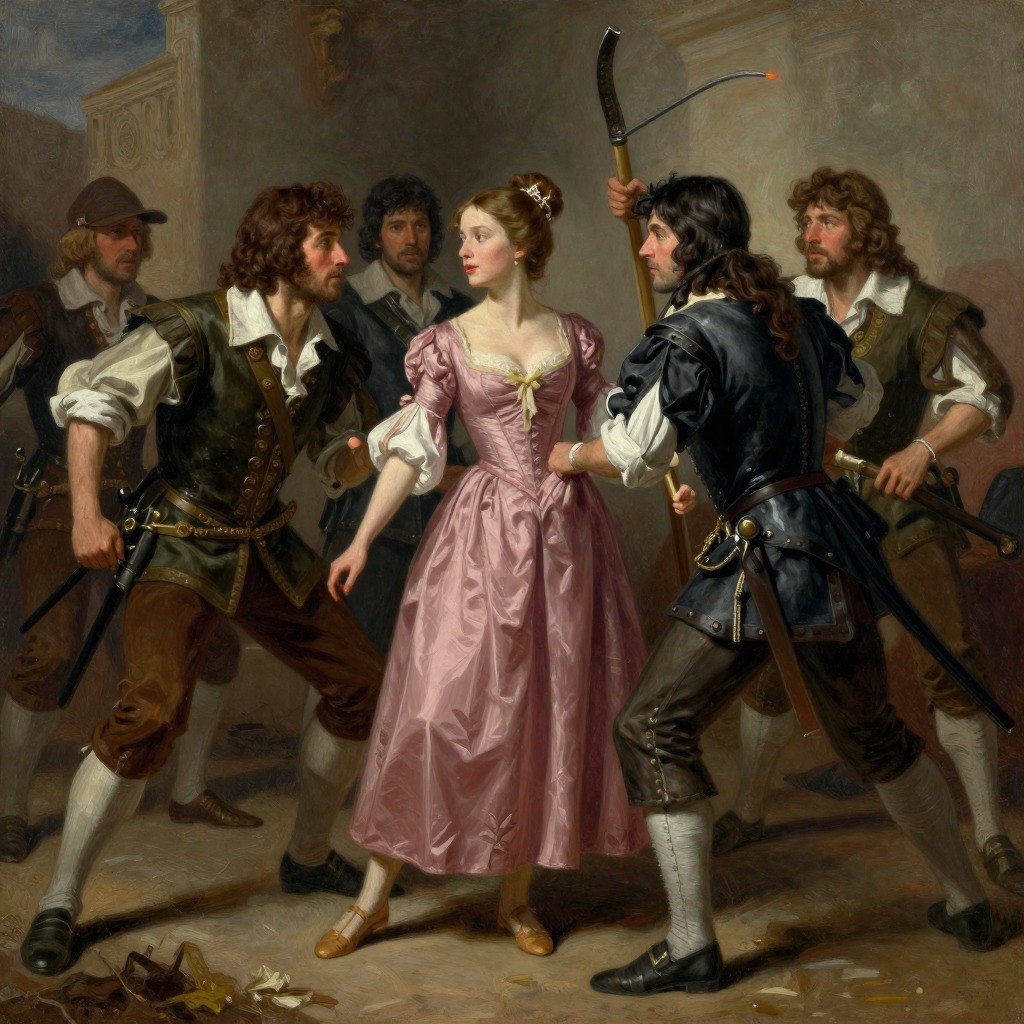
When Athos, having deduced Milady's whereabouts, seeks out the executioner, he finds him in his laboratory assembling a skeleton. Athos presents him with a paper bearing a signature and a seal, and the executioner, after reading it, bows in obedience. He then accompanies the four friends and Lord de Winter to the isolated house on the banks of the Lys where Milady has taken refuge. During the trial, after d'Artagnan, Lord de Winter, and Athos have each accused Milady of specific crimes, the executioner steps forward. When Milady, defiant, challenges anyone to prove the justice of her branding, he removes his mask and reveals himself. She recognizes him instantly, crying out in terror, "The executioner of Lille!" He then recounts the entire history of her first crime, concluding with the suicide of his brother. His testimony is the final, irrefutable proof of her depravity. After the sentence of death is pronounced, the executioner binds Milady's hands and feet, places her in a boat, and rows her across the Lys. On the opposite bank, he beheads her with his large sword, wraps the body and head in his red cloak, and rows back to the middle of the river, where he casts the bundle into the water, crying, "Let the justice of God be done!" Before the execution, Athos offers him a sum of silver as the price of the execution, but the executioner throws the money into the river, declaring that he is not fulfilling his trade but his debt.