Lord de Winter
Lord de Winter, also known as Baron Sheffield, is the brother-in-law of Milady and a key antagonist in the second half of the novel. He transforms from a dueling opponent of d'Artagnan into a determined captor and judge of Milady, playing a decisive role in her final trial and execution.
Identity and Introduction
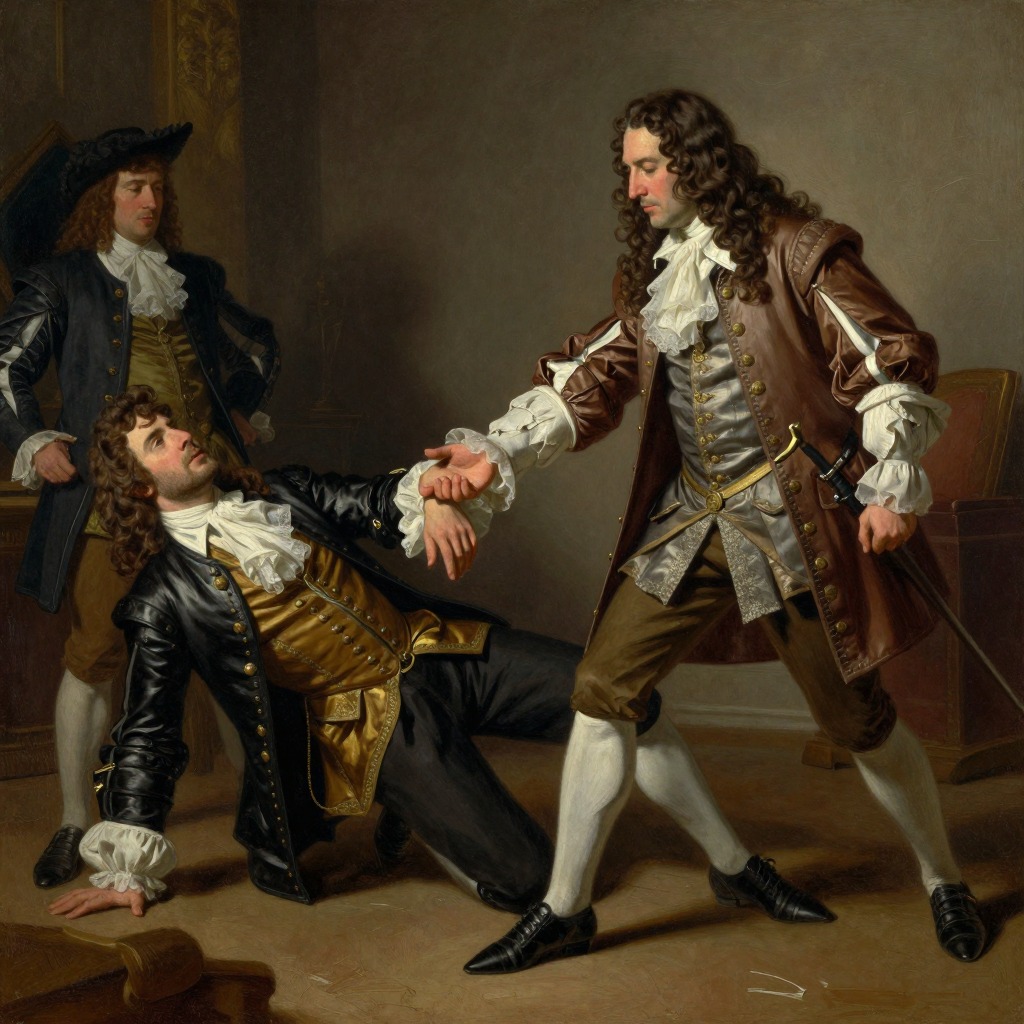
Lord de Winter is introduced as an English nobleman, the brother of Milady's deceased second husband. He first appears in the novel as a dueling opponent of d'Artagnan, whom he meets on the road to St. Germain. During their encounter, Milady, who is traveling in a carriage, intervenes in a quarrel between the two men, revealing that Lord de Winter is her brother. D'Artagnan, having recognized the Englishman as the one who had won his horse at dice in Amiens, challenges him to a duel. The duel takes place behind the Luxembourg, where d'Artagnan, after a skillful defense, disarms Lord de Winter and spares his life, earning the baron's gratitude and friendship. Lord de Winter, in turn, introduces d'Artagnan to his sister, Milady Clarik, at her residence in the Place Royale, setting in motion a chain of events that will define their relationship.
Arc Through the Plot: From Friend to Captor
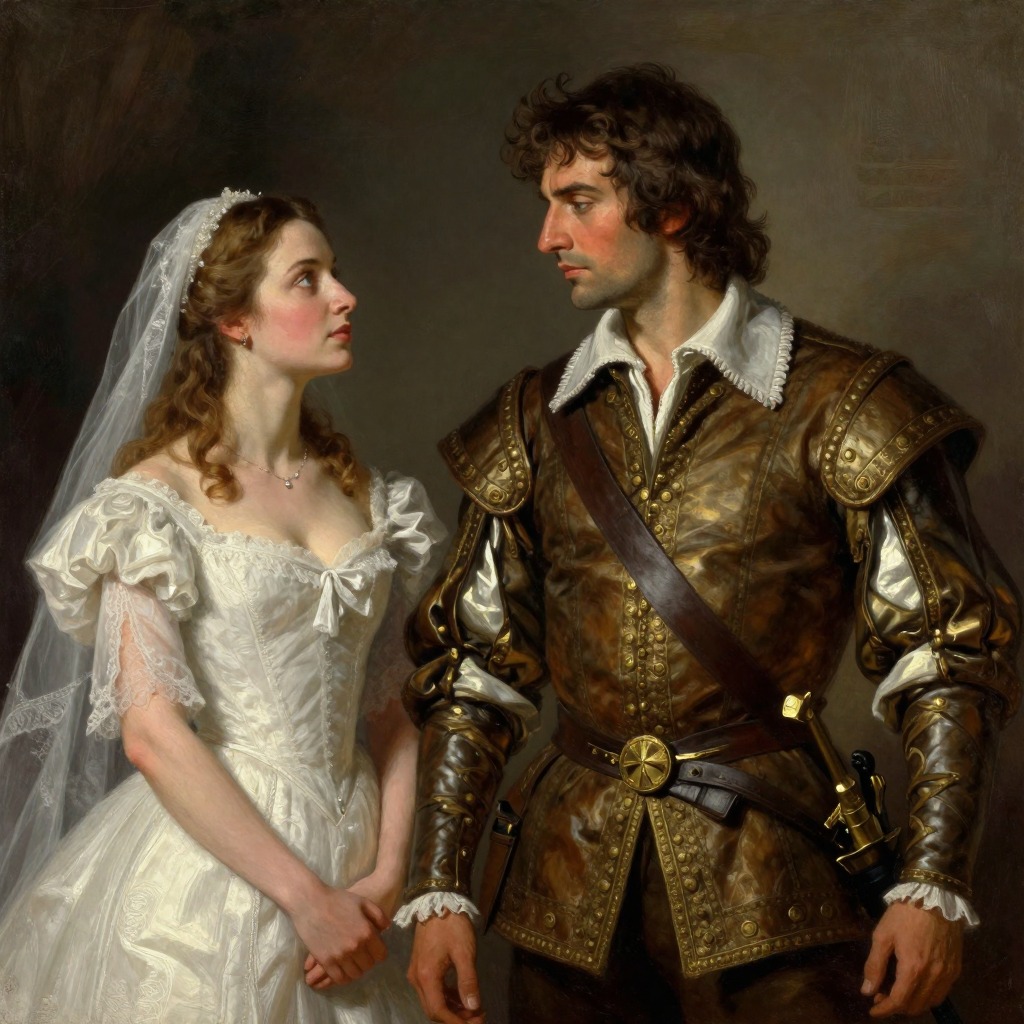
Lord de Winter's role shifts dramatically after he receives a warning letter from d'Artagnan and his friends, alerting him to Milady's true nature and her murderous intentions. The letter, drafted by Aramis, informs him that his sister-in-law is an infamous woman who had already been married in France before her marriage to his brother, and that she bears a fleur-de-lis brand on her shoulder. Armed with this knowledge, Lord de Winter takes decisive action. He intercepts Milady upon her arrival in Portsmouth, having her arrested and brought to his castle. There, he confronts her, revealing his knowledge of her past crimes, including her attempt to have him killed to inherit his wealth. He informs her that she is to be exiled to the colonies, and places her under the strict guard of his loyal lieutenant, John Felton. Lord de Winter's transformation from a dueling opponent to a determined jailer is complete, driven by a desire for justice and vengeance for his brother's death.
Relationships and Conflict
Lord de Winter's central relationship is with his sister-in-law, Milady, whom he despises and fears. He is acutely aware of her manipulative and murderous nature, and he takes every precaution to prevent her escape. He warns Felton of her seductive powers, telling him, "She will try to seduce you, perhaps she will try to kill you." Despite his vigilance, Milady succeeds in corrupting Felton, who helps her escape. Lord de Winter, realizing his mistake, pursues her relentlessly, arriving at the convent of Bethune just after she has poisoned Constance Bonacieux. He joins forces with d'Artagnan and the three Musketeers, becoming a key member of the group that tracks Milady to Armentieres. He also develops a friendship with d'Artagnan, whom he thanks for sparing his life and for the warning that allowed him to capture Milady. This friendship is solidified during the pursuit and trial of Milady.
Change and Ending
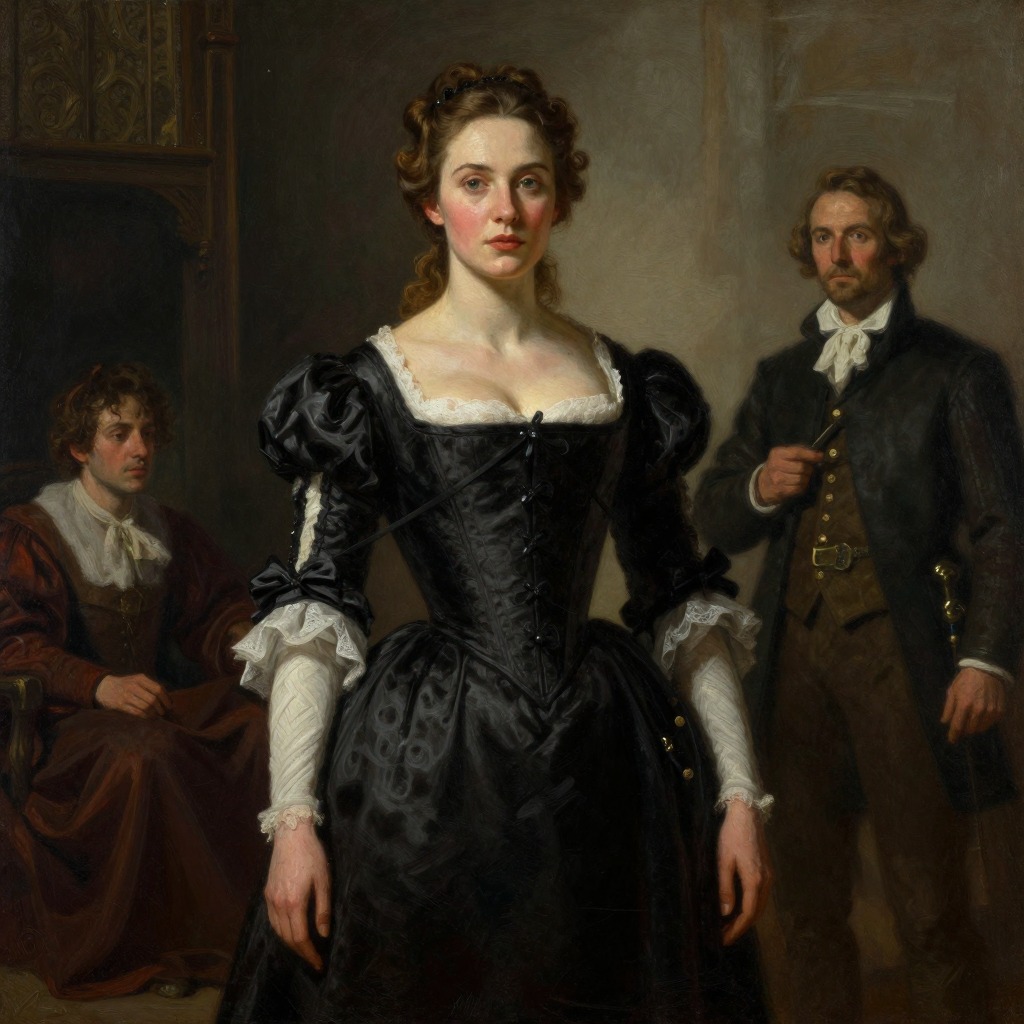
Lord de Winter's character arc culminates in his role as a judge and executioner of Milady. During the trial in the isolated house on the banks of the Lys, he formally accuses her of causing the assassination of the Duke of Buckingham and the poisoning of his brother. He declares, "I demand justice upon you, and I swear that if it be not granted to me, I will execute it myself." After the execution, Lord de Winter is present when d'Artagnan receives his lieutenant's commission from Cardinal Richelieu. He later reconciles with d'Artagnan, and the two men embrace, putting aside their past enmity. In the epilogue, it is noted that d'Artagnan fought three times with Rochefort, but Lord de Winter's fate is not further detailed, suggesting he returned to England after the events of the novel.
Thematic Significance
Lord de Winter embodies the theme of justice and retribution. He is a man of honor who, once he learns the truth about Milady, becomes an instrument of her punishment. His transformation from a dueling opponent to a determined captor and judge highlights the novel's exploration of the conflict between personal honor and the pursuit of justice. He also represents the English aristocracy's opposition to the machinations of Cardinal Richelieu, aligning him with the French Musketeers in their shared goal of thwarting the cardinal's plans. His role in the trial and execution of Milady underscores the novel's moral framework, in which evil is ultimately punished by a coalition of the righteous.