
Introduction
The best audiobook subscription for students should do more than provide popular titles. Modern learners also need affordable access, useful study controls, reliable mobile listening, and a way to work with the textbooks, articles, and personal documents already on their reading lists.
That changes the usual audiobook subscription comparison. A large audiobook catalog may suit leisure reading, while a credit-based audiobook membership may work for someone who finishes one title each month. Students who mainly need to hear PDF chapters, EPUB books, DOCX assignments, or TXT study notes may get more value from a text-to-speech reader such as Readify. Get started for free with one document before paying for another monthly service.
This guide explains seven features to compare before choosing the best audiobook subscription for learning.
1. The Best Audiobook Subscription Must Match Your Content
Begin with one question: what do you actually want to hear?
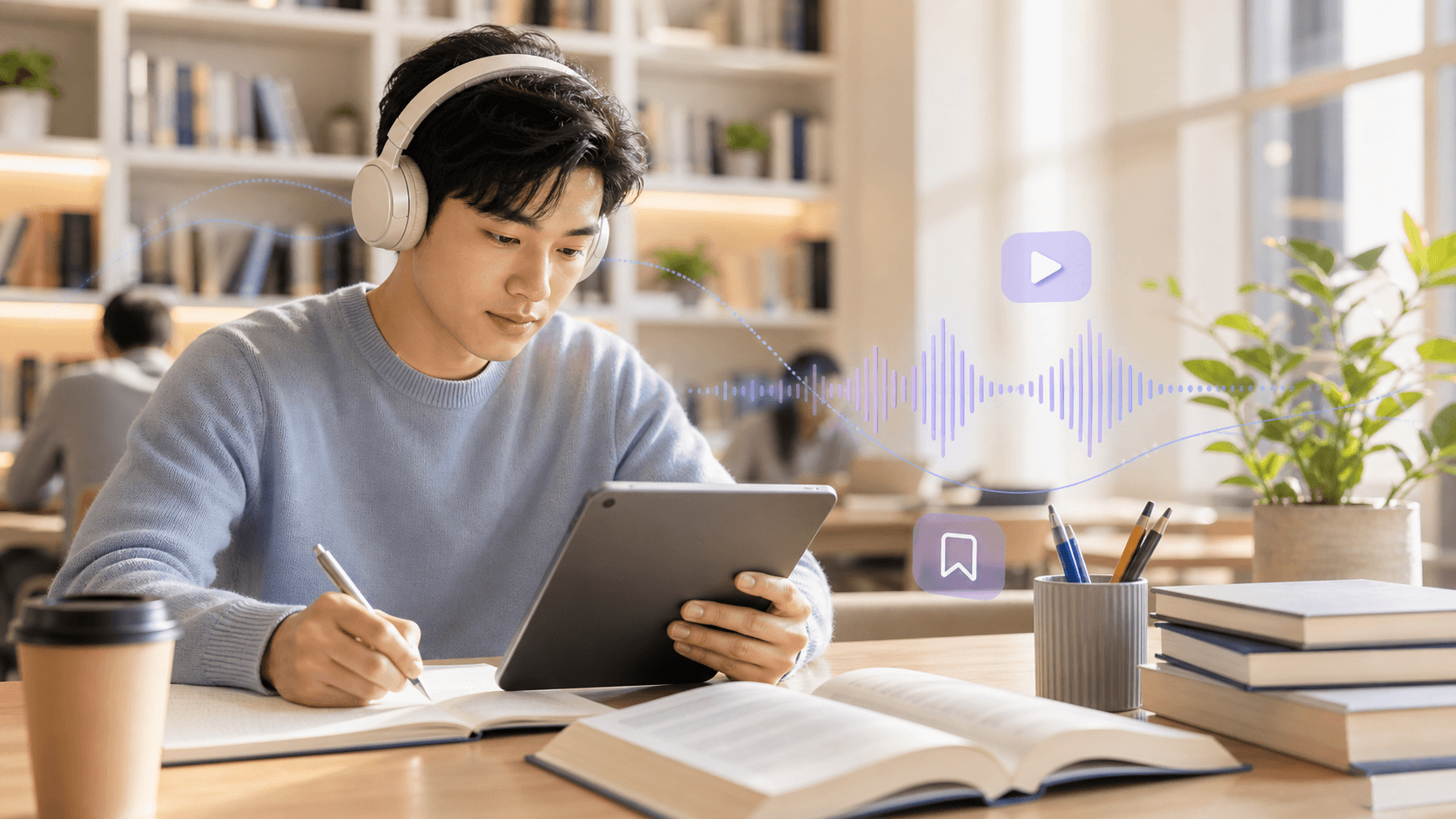
A catalog-based audiobook subscription service gives members access to professionally produced books chosen by the platform. This works well for fiction, memoirs, and popular nonfiction. However, a student audiobook app also needs to handle course readings, research articles, lecture notes, and documents supplied by a teacher.
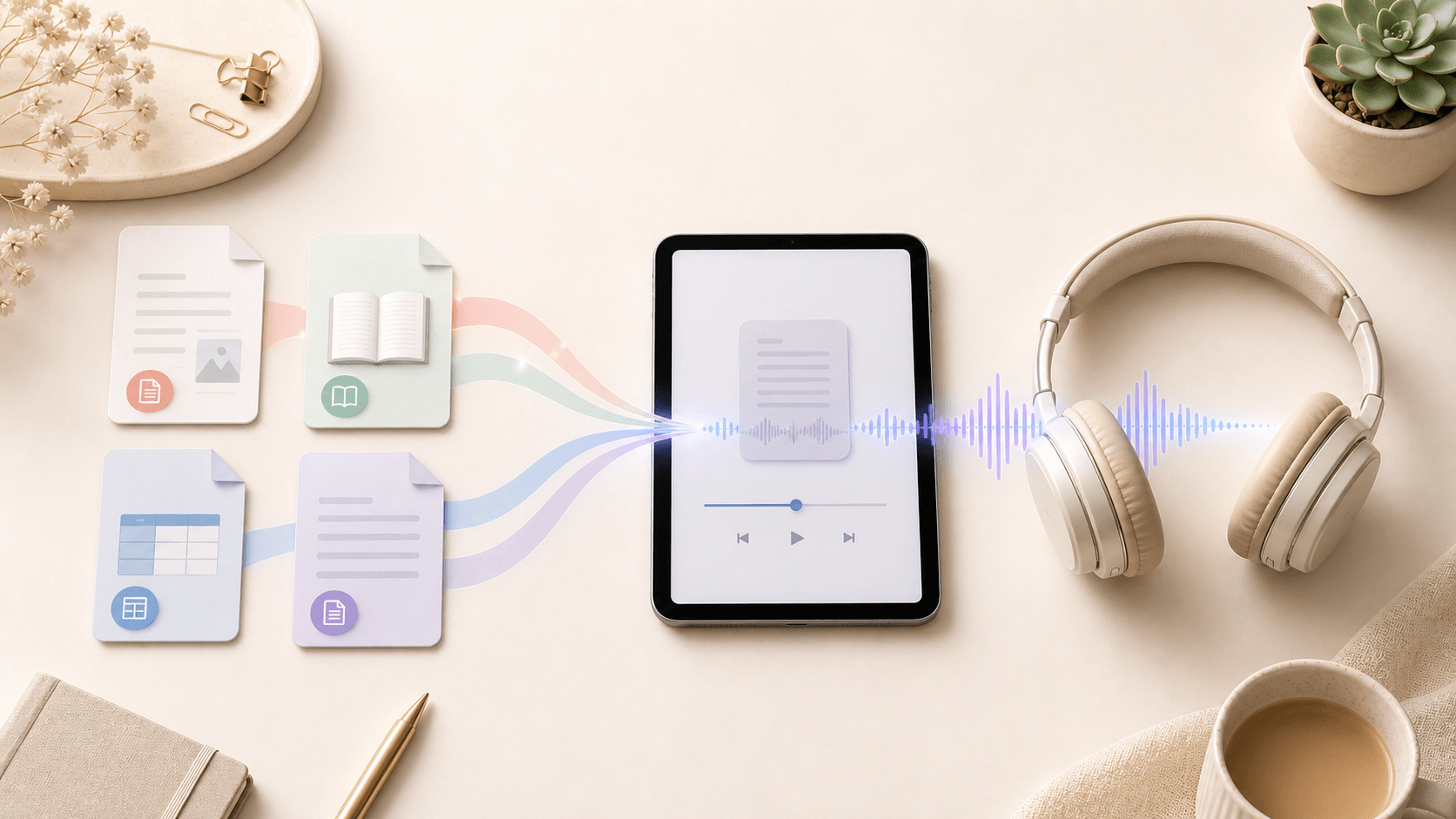
If most of your material comes from outside a commercial audiobook library, catalog size is not the most important feature. File support matters more. Readify can read supported PDF, EPUB, DOCX, and TXT content aloud, letting students build audio from eligible material they already own or are permitted to use.
The best audiobook subscription is therefore the option that matches your real reading queue—not the service with the loudest advertising or the largest number on its homepage.
2. Compare Subscription Models, Not Just Monthly Prices
An audiobook subscription may use one of several models:
- A credit-based plan provides a limited number of title selections.
- A streaming plan provides access to a changing audiobook catalog.
- A library model lets eligible users borrow audiobooks for a fixed period.
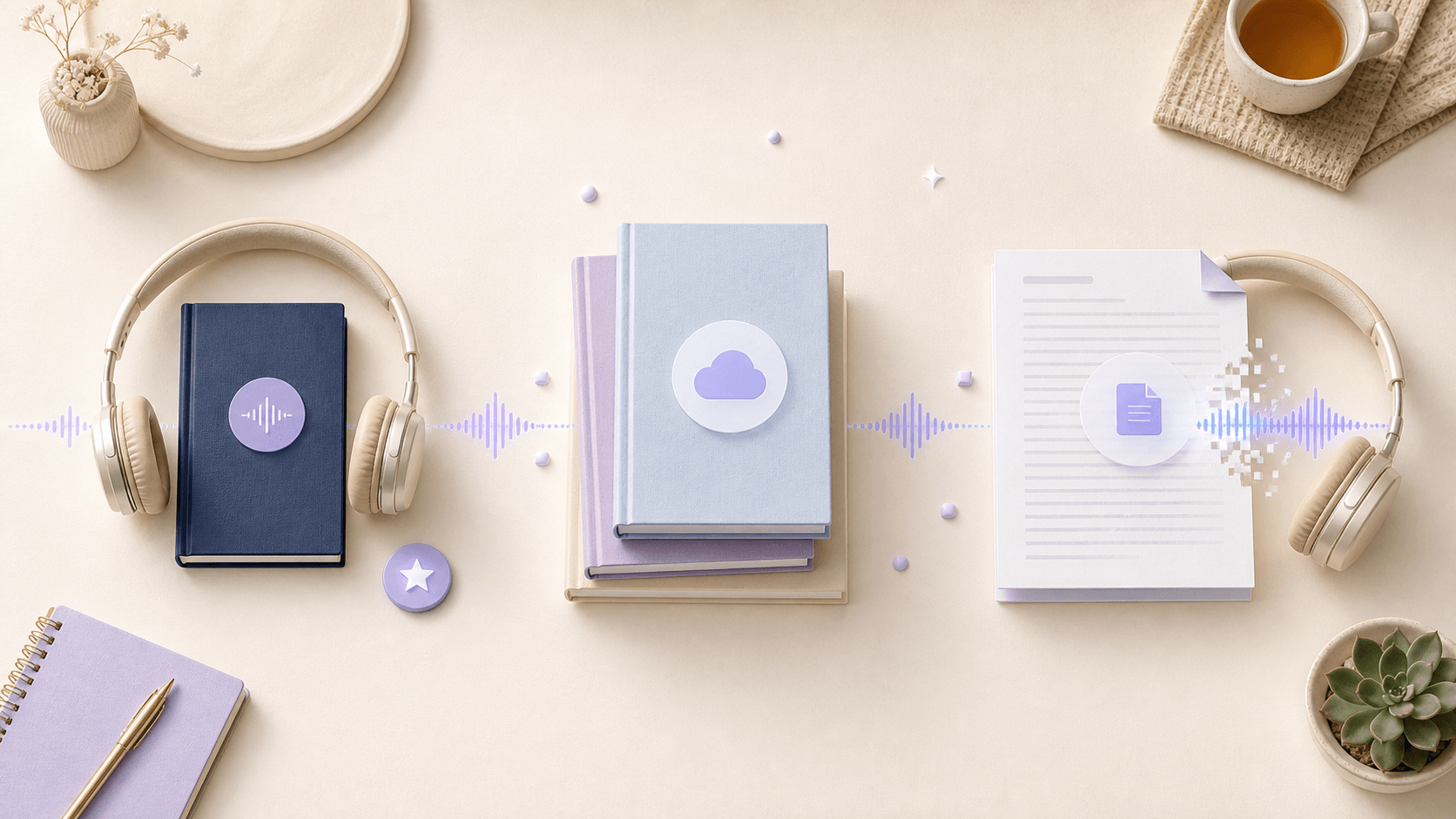
- A document-to-audio tool reads personal files instead of selling access to a catalog.
Each model creates different limits. With an audiobook membership, ask whether selected books remain available after cancellation. With an unlimited audiobook subscription, check whether “unlimited” applies to the entire catalog or only a selected collection. With library borrowing, popular titles may have waiting lists.
Price alone cannot identify the best audiobook subscription for students. Estimate how many books or documents you will actually finish, then check the effective cost per completed title. A cheap monthly audiobook subscription is still poor value if the catalog does not include your required reading.
3. Study Controls Matter More Than Entertainment Features
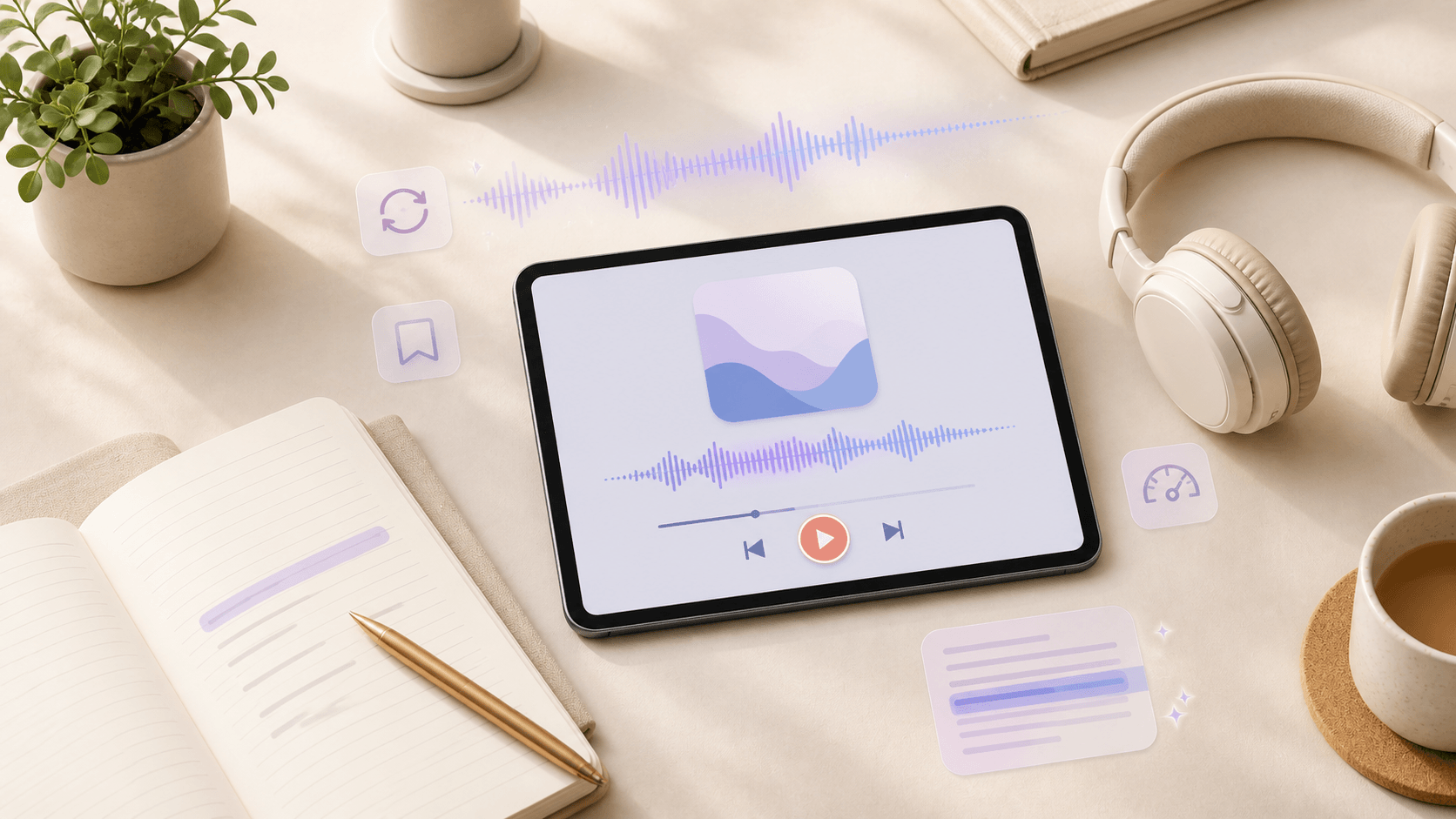
Students need more than play and pause. The strongest audiobook apps for learning include adjustable speed, quick replay, bookmarks, visible progress, and a simple way to return to a difficult section.
Synchronized text is particularly useful. Reading while listening helps learners confirm names, terminology, spelling, and sentence structure. It also makes it easier to stop at the exact sentence that needs a note. The Library of Congress describes how some students with dyslexia use an audiobook while following printed material, illustrating why audio and visible text can complement each other.
Readify combines text to speech with synchronized highlighting and playback controls. For a closer look at this accessibility approach, see how text-to-speech supports different dyslexia-related reading challenges.
The best audiobook subscription for learning should help students review information, not simply keep audio running in the background.
4. Check Device Access and Offline Listening
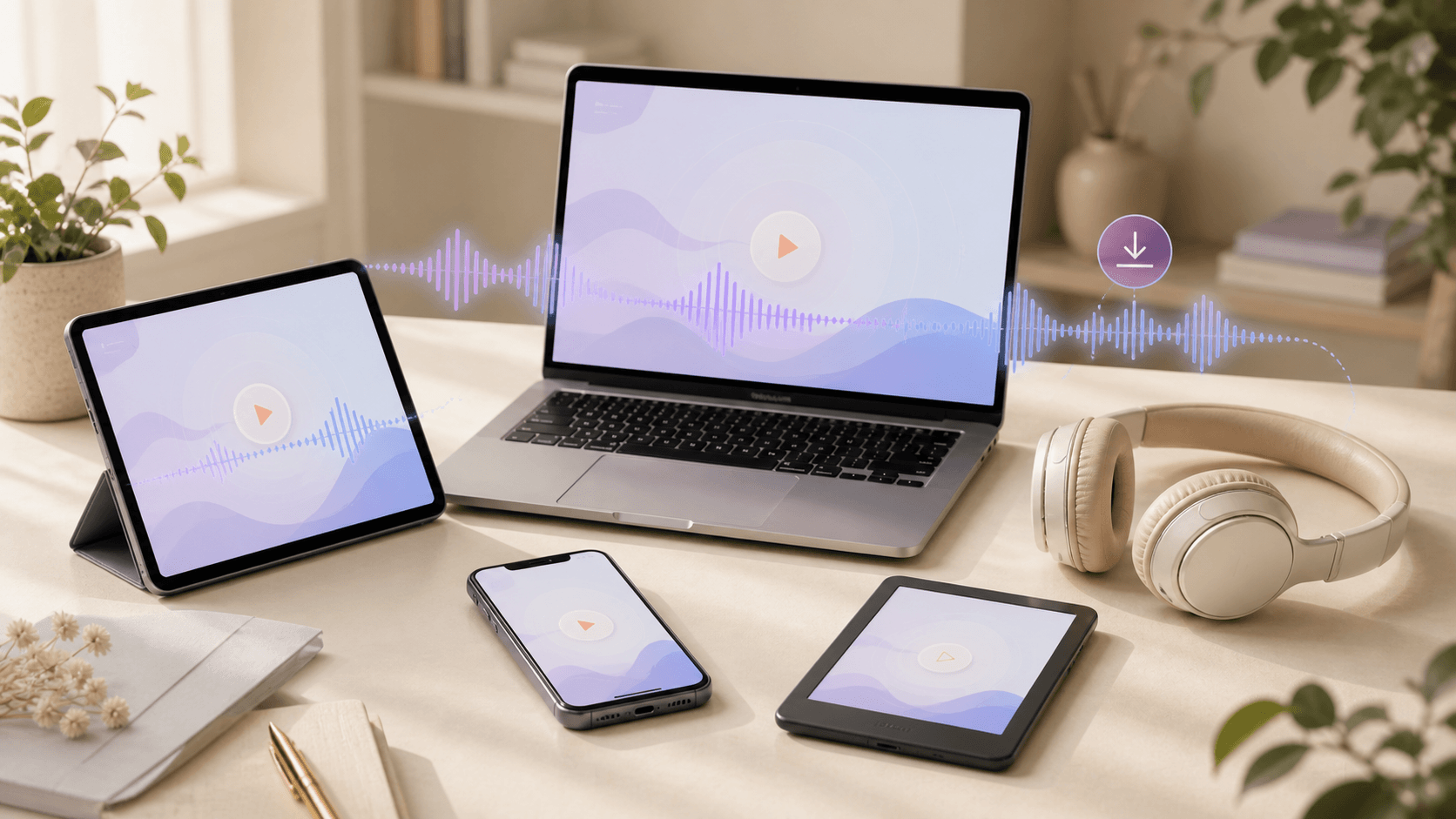
A useful audiobook subscription service should work where learning happens: on a phone, computer, tablet, or compatible e-reader. Before subscribing, check device limits, browser access, synchronization, offline availability, and whether downloaded material expires.
This leads to a common search question: can you listen to audiobooks on Kindle? Some Bluetooth-enabled Kindle e-readers can play compatible audiobooks through a supported audio device. Amazon’s current instructions explain how to pair a Bluetooth audio device with a Kindle e-reader. Support still depends on the Kindle model, region, and audiobook source, so check the specifications for your device.
Students should also consider cross-device continuity. If a listening session begins during a commute, progress should remain available when the learner returns to a laptop. The best audiobook app should reduce setup friction rather than require repeated downloads and manual searching.
5. Look for Flexible Audio, Voice, and Speed Controls
One narrator does not fit every subject. A dramatic voice may suit fiction but distract from a technical chapter. The best audiobook subscription for students should offer clear narration and enough playback control to match the material.
Start complex content near a natural speaking pace. Increase speed only when recall remains stable, and slow down when a passage contains unfamiliar vocabulary or a dense argument. A UC Berkeley neuroscience study found that semantic representations during listening and reading were highly similar, supporting audio as a meaningful route to language comprehension. Students should still test recall because speed, attention, and content difficulty vary by task.
Readify offers more than 100 voices across over 50 languages. Learners can test different voices and adjust the pace for fiction, academic papers, language practice, or study notes. These controls make the TTS reader more adaptable than a fixed recording.
6. Accessibility Should Be Part of the Main Product
Accessibility is not an optional extra. An audiobook app for students should work with screen readers, provide understandable navigation, and let users change playback without navigating a confusing interface.
Audio access can help learners with dyslexia, low vision, visual fatigue, or other print-related barriers reach the meaning of a text. It should not be presented as a diagnosis or a replacement for instruction. Instead, accessible audio offers another route into the same ideas.
Public services can also be valuable. The U.S. National Library Service provides eligible people with print disabilities access to talking books, while public-library tools may let cardholders borrow digital audiobooks. Libby’s official guide explains that users can borrow free ebooks and audiobooks with a participating library card, although availability and waiting times depend on the local library.
Readify supports VoiceOver on iOS and keeps visible text connected to spoken audio. For learners who need adjustable personal files rather than a fixed audiobook catalog, that combination may be more useful than a traditional monthly audiobook subscription.
7. Review Ownership, Cancellation, and Free Options
Before choosing the best audiobook subscription, read the terms carefully. Find out whether the audiobook membership renews automatically, whether unused credits expire, whether downloaded books remain available, and how cancellation works.
The U.S. Federal Trade Commission recommends checking free-trial terms, automatic renewal conditions, expected future charges, and cancellation instructions before providing payment information. Its consumer guidance on free trials and subscriptions is useful whenever an audiobook subscription requests a card for a trial.
Also compare free alternatives. A public library may cover published titles, while a free audiobook subscription alternative such as a document-based TTS reader can cover eligible personal material. Readify is free to start and does not require students to purchase a second audio edition of every supported document.
The best value may come from combining tools: library borrowing for published audiobooks and Readify for personal files, articles, and course documents.
A Quick Audiobook Subscription Comparison for Students
The best audiobook subscription for students may not be a single service. It may be a small combination that covers entertainment, required reading, and personal study material without unnecessary overlap.
How to Test an Audiobook Service Before Committing
Use this five-step test:
- List three titles and three personal documents you need this month.
- Check whether the audiobook catalog or file importer supports them.
- Listen to a difficult section for at least ten minutes.
- Test speed, replay, bookmarks, visible text, and offline access.
- Explain the main idea from memory before deciding whether to subscribe.
This test separates an attractive audiobook app from a useful learning tool. If the service cannot support the material you already need, it is unlikely to become the best audiobook subscription for your routine.
Students can try Readify for free with a short authorized document and compare reading, listening, and synchronized read-and-listen mode.
Frequently Asked Questions
What Is the Best Audiobook Subscription for Students?
The best audiobook subscription for students matches their actual material, devices, budget, and study habits. Catalog subscriptions work for published titles, while a TTS reader may be better for personal PDF, EPUB, DOCX, TXT, and study notes. Many students benefit from combining library borrowing with a document-to-audio tool.
Are Audiobook Subscriptions Worth It?
An audiobook subscription is worth it when you regularly finish included titles and use the study or listening controls. Calculate value from completed books, not catalog size. If you mainly need personal documents, a conventional audiobook membership may provide less value than a file-based audiobook app.
Is There a Free Audiobook Subscription?
Public libraries may offer free audiobook borrowing to cardholders, and eligibility-based services support some readers with print disabilities. Free TTS readers can also turn authorized personal content into audio. Catalog availability, borrowing limits, and file support differ, so compare them with your reading list.
Can You Listen to Audiobooks on Kindle?
Yes, on supported Kindle devices and through compatible audiobook services. Some Kindle e-readers use Bluetooth headphones or speakers because they do not have conventional audio outputs. Confirm the model, region, audiobook format, and service compatibility before purchasing a title.
Do You Keep Audiobooks After Canceling a Subscription?
It depends on the audiobook subscription model. Purchased or credit-selected titles may follow different rules from streamed catalog titles. Read the ownership, download, and cancellation terms before subscribing rather than assuming every downloaded audiobook remains available.
Is Readify an Audiobook Subscription Service?
Readify is a free AI reader and TTS reader rather than a traditional paid audiobook catalog subscription. It reads supported personal documents aloud with natural voices, synchronized highlighting, and playback controls. Get started for free with content you own or are authorized to use.
Choose the Audiobook Setup That Supports Real Learning
The best audiobook subscription is not defined by one catalog, one narrator, or one monthly offer. For students, the strongest option fits required material, supports active review, works across devices, and remains clear about access and cancellation.
Start with the content you already need to finish. Test the controls, check recall, and avoid paying for overlapping services. Start listening with Readify to turn eligible documents into a flexible audio learning routine.
