former lover (Baron Vordenburg's ancestor and Mircalla)
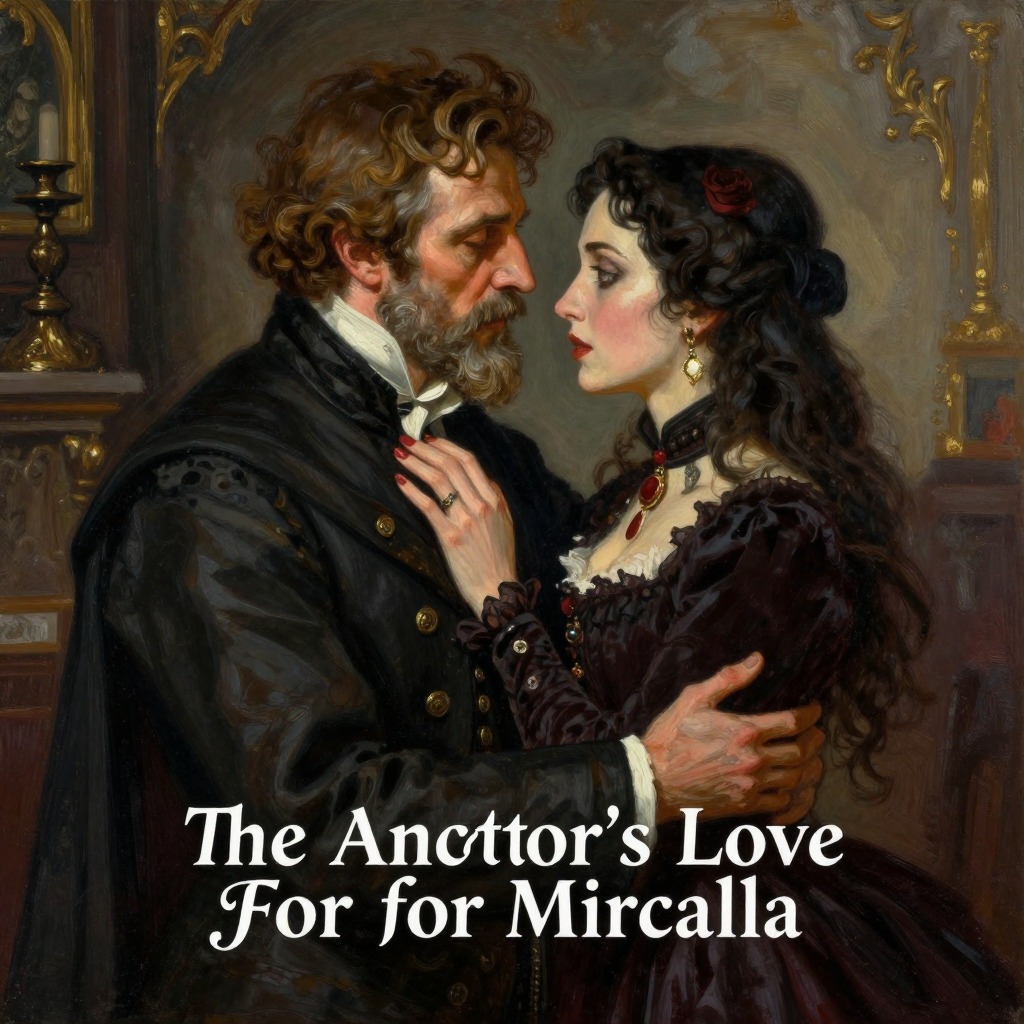
The former lover relationship between Baron Vordenburg's ancestor and Mircalla, Countess Karnstein, is the hidden romantic backstory that explains both the century-long concealment of the vampire's tomb and its eventual rediscovery, transforming a simple monster-hunt into a tale of undying passion, guilt, and belated justice.
Identity and Background
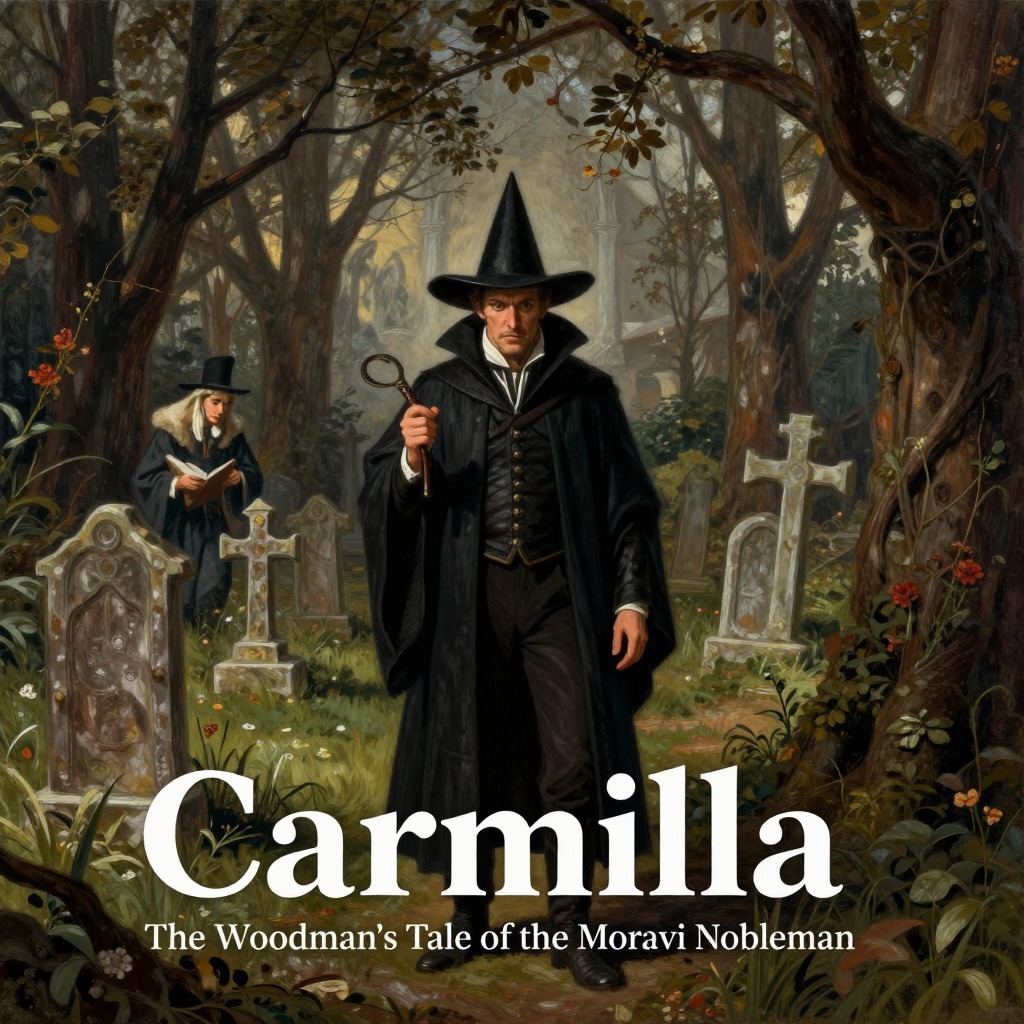
The unnamed ancestor of Baron Vordenburg was a native of Upper Styria who in very early youth had been a passionate and favored lover of the beautiful Mircalla, Countess Karnstein. When Mircalla died young, her early death plunged him into inconsolable grief. He was a nobleman, though local tradition later misremembered him as a Moravian nobleman because he had changed his abode to that territory. The Baron Vordenburg, who appears in the narrative as a quaint, grotesque old man with gold spectacles and a perpetual smile, living on a pittance in Gratz, is the direct descendant who inherited both the title and the secret papers of this ancestor.
The Ancestor's Actions and Motivations
After Mircalla's death, the ancestor soon discovered that she had become a vampire, having been haunted by one of those demons. A suicide, under certain circumstances, becomes a vampire, and that specter visits living people in their slumbers; they die and almost invariably develop into vampires in the grave, which happened in Mircalla's case. The ancestor, who in life had made Mircalla his idol, conceived a horror of her remains being profaned by the outrage of a posthumous execution. He left a curious paper to prove that the vampire, on its expulsion from its amphibious existence, is projected into a far more horrible life, and he resolved to save his once beloved Mircalla from this fate. He adopted the stratagem of a journey to Karnstein, a pretended removal of her remains, and a real obliteration of her monument. He made tracings and notes that would later guide his descendant to the very spot, and drew up a confession of the deception he had practiced.
Change and Repentance
When age had stolen upon the ancestor and from the vale of years he looked back on the scenes he was leaving, he considered in a different spirit what he had done. A horror took possession of him. He made the tracings and notes which guided Baron Vordenburg to the very spot, and drew up a confession of the deception that he had practiced. If he had intended any further action in this matter, death prevented him. The hand of a remote descendant has, too late for many, directed the pursuit to the lair of the beast.
Narrative Significance
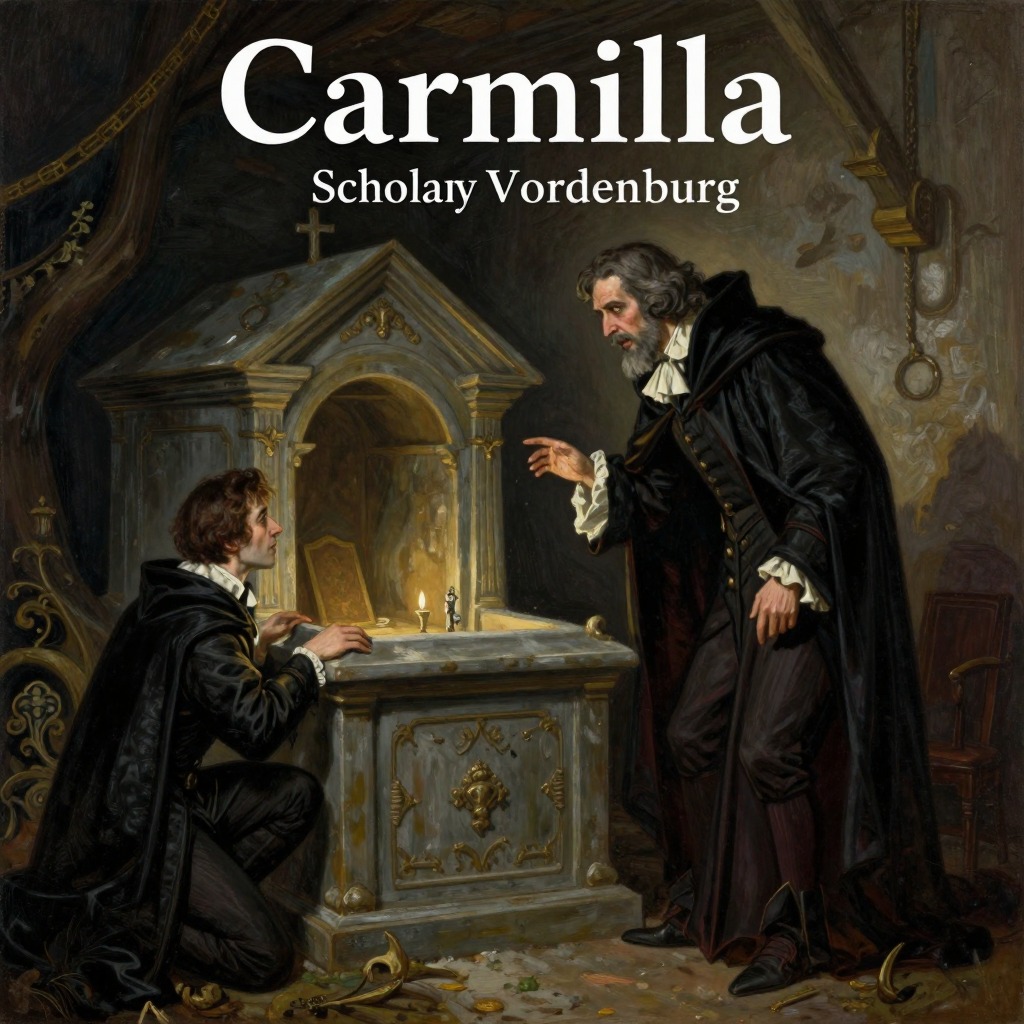
The Baron Vordenburg's revelation of his ancestor's story provides the final piece of the puzzle, explaining how the tomb of Mircalla, Countess Karnstein, had remained hidden for so long despite the earlier efforts of the Moravian nobleman (who was, in fact, the same ancestor). The Baron's curious lore, derived from his ancestor's journals and papers, was instrumental in the discovery of the long-lost monument of Mircalla, Countess Karnstein, during the expedition to the ruined Chapel of Karnstein. The ancestor's initial act of love—concealing the tomb to protect his beloved from posthumous execution—became, over time, a source of horror and guilt, leading him to leave the means of her destruction for a future generation. This backstory transforms the vampire from a mere monster into a figure of tragic romance, and the act of destroying her becomes not just a legal execution but the resolution of a centuries-old love story gone wrong.