
Carmilla
Overview
Carmilla is an 1872 Gothic novella by Irish author Joseph Sheridan Le Fanu, first serialized in The Dark Blue magazine from 1871 to 1872. It is a foundational work of English-language vampire literature, predating Bram Stoker's Dracula by twenty-five years. Set in a remote castle in Styria, Austria, during the 19th century, the story is told through the first-person account of a young woman named Laura. The novella is renowned for its atmospheric horror, psychological depth, and its subtle exploration of forbidden desire, cementing the archetype of the seductive female vampire.
Plot Summary
Laura, the narrator, lives in isolation with her widowed father in a castle in the Styrian forest. She recalls a dream from her childhood: at age six, she saw a beautiful girl's face at the foot of her bed, who then crawled in beside her; she awoke with a sharp pain in her chest. Years later, a carriage accident brings a mysterious young woman, Carmilla, to the castle. Laura and Carmilla form an intense bond, but Carmilla’s behavior grows increasingly strange—she sleeps during the day, avoids sunlight, exhibits supernatural strength, and sways Laura’s will. As Laura’s health declines, strange deaths occur in the neighboring village, with victims showing puncture wounds and blood loss. An investigator, General Vordenburg, arrives and reveals that Carmilla is actually Mircalla, Countess Karnstein, a vampire who has assumed many identities over centuries. The men locate her tomb, perform a ritual involving decapitation and burning, and destroy her. Laura survives but is forever haunted by the experience.
Themes and Symbolism
At its core, Carmilla explores themes of forbidden love, sexual repression, and identity. The intense, ambiguous relationship between Laura and Carmilla is widely interpreted as a coded representation of same-sex desire in Victorian society—a love that cannot be openly acknowledged and is therefore demonized. The vampire’s bite symbolizes both a lethal eroticism and a violation of bodily autonomy. The novella also examines the tension between isolation and intimacy: Laura’s craving for companionship leads her into a dangerous emotional and physical dependency. The claustrophobic setting—the castle surrounded by dense forests—mirrors the characters’ entrapment within social and psychological boundaries.
Background and Publication
Le Fanu wrote Carmilla during the height of the Victorian Gothic revival, drawing on Eastern European vampire folklore and his own Irish storytelling traditions. The serial format allowed him to build suspense gradually, catering to the magazine-reading public’s appetite for sensational fiction. The story incorporates elements of detective work and medical rationalism, reflecting the era’s fascination with the supernatural as a subject for scientific inquiry.
Legacy and Influence
Carmilla is a cornerstone of vampire literature. It introduced the first major female vampire in English fiction and deeply influenced Bram Stoker’s Dracula, which borrowed its Styrian setting, the character of a vampire expert, and many physical attributes of the vampire. Although Carmilla never achieved the same mainstream fame as Dracula, its impact on horror culture is immense: it inspired a wave of lesbian vampire films in the 1970s, has been adapted into numerous stage plays, graphic novels, and films, and remains a key text for feminist and queer literary criticism. The novella’s enduring power lies in its ability to blend terror with the ache of forbidden love, ensuring its place as a classic of the Gothic genre.
About the Author
Early Life and Education
Joseph Sheridan Le Fanu was born on 28 August 1814 in Dublin, Ireland, into a family of Huguenot descent and part of the Protestant Ascendancy. His grandmother, Alicia Sheridan Le Fanu, was a playwright, and his great-uncle, Richard Brinsley Sheridan, was a celebrated 18th-century dramatist known for comedies such as The Rivals and The School for Scandal. Le Fanu’s father was a clergyman at the Royal Hibernian Military School, and the family lived in the Phoenix Park area, whose landscapes later influenced his writing. The family moved to Abington, County Limerick, in 1826, where Le Fanu educated himself using his father’s library. He began writing poetry at fifteen. He later attended Trinity College Dublin, where he contributed to and eventually edited the Dublin University Magazine. Despite qualifying as a barrister in 1839, he never practiced law, instead pursuing a full-time literary career.
Literary Career
Le Fanu’s early reputation was built on ballads such as Shamus O'Brien and Phaudhrig Crohoore. He soon became a prolific writer of Gothic and sensational fiction, specializing in ghost stories and supernatural tales. His works are characterized by their atmospheric settings, intricate plots, and psychological depth, often blending the rational with the uncanny. He gained ownership of the Dublin University Magazine in the 1860s, using it as a primary outlet for his own fiction and solidifying his influence in the literary circles of Ireland and Britain.
Major Works
Le Fanu’s novels include The House by the Churchyard (1863), a complex mystery, and Uncle Silas (1864), a chilling tale of a young woman’s entrapment in a Gothic mansion. His most famous work is the novella Carmilla (1872), a landmark in vampire fiction that predates Dracula by a quarter of a century. His shorter pieces, such as Green Tea (1872), Schalken the Painter (1839), and Sir Dominick's Bargain, are considered masterpieces of the ghost story genre. Many of these were collected in volumes like In a Glass Darkly (1872) and The Purcell Papers (1880).
Death and Legacy
Le Fanu’s wife, Susanna, died suddenly in 1858, a loss that plunged him into deep grief and increased his reclusive habits; he often wrote through the night. He died on 7 February 1873 in Dublin, reportedly from a heart attack, though a legend circulated that he had died of fright. His reputation as a master of Gothic literature grew posthumously, influencing Bram Stoker, H.P. Lovecraft, and M.R. James. Today, Le Fanu is celebrated for his ability to evoke terror through suggestion and atmosphere, and Carmilla remains a cornerstone of vampire fiction, ensuring his enduring place in the canon of horror literature.
StoryFlow
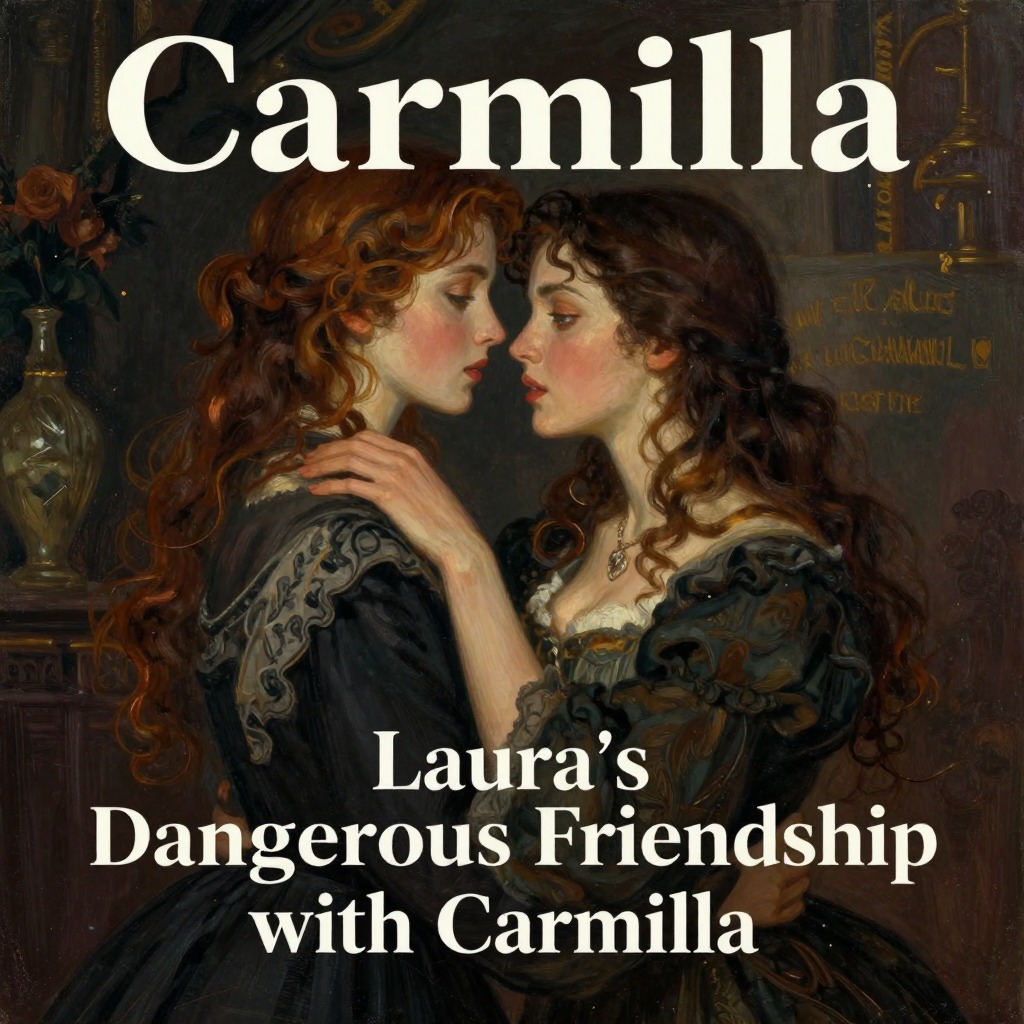
Laura's Dangerous Friendship with Carmilla
Traces how Laura's fascination with the mysterious visitor Carmilla deepens into a bond that drains her vitality and threatens her life.
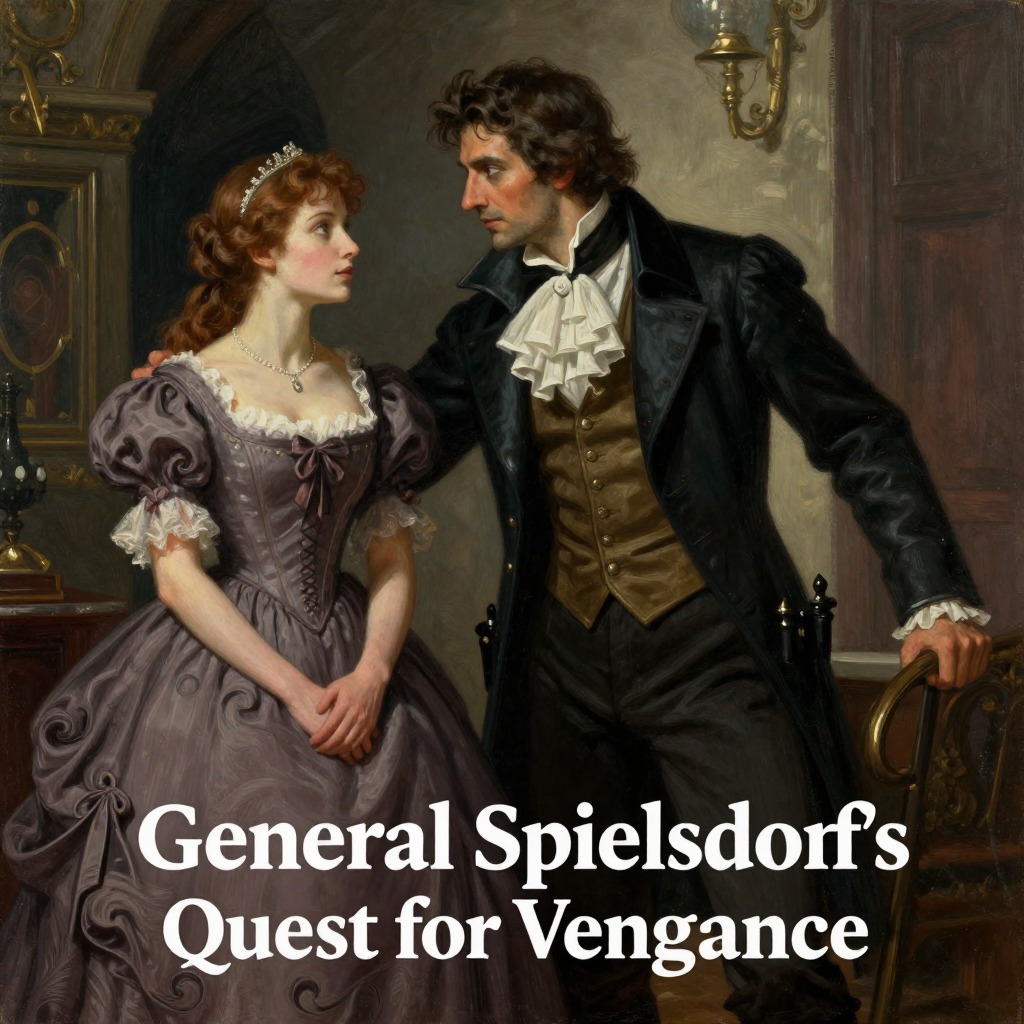
General Spielsdorf's Quest for Vengeance
Follows the General's journey from the loss of his beloved niece to his relentless pursuit of the vampire who murdered her.
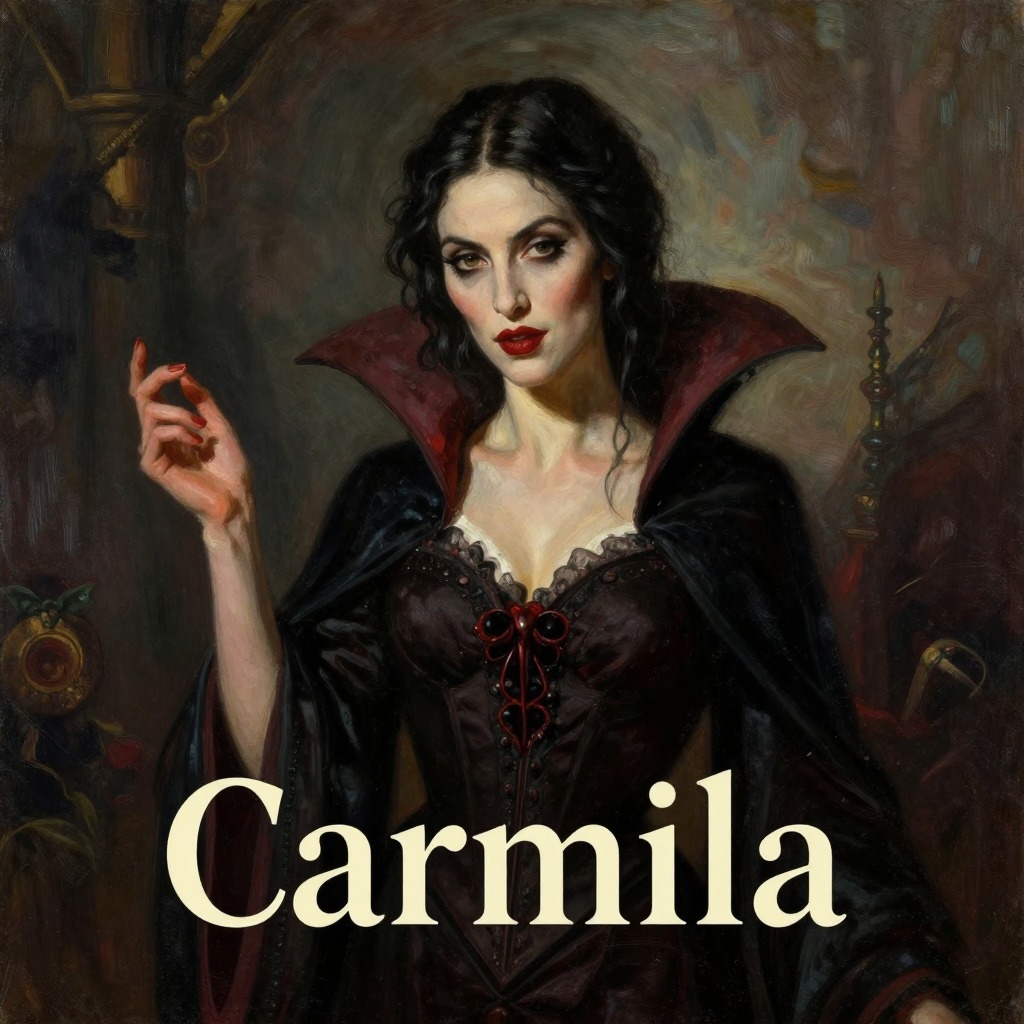
The Discovery of the Vampire's True Identity
Traces the gradual unveiling of Carmilla's real nature as the centuries-old vampire Countess Mircalla Karnstein.
