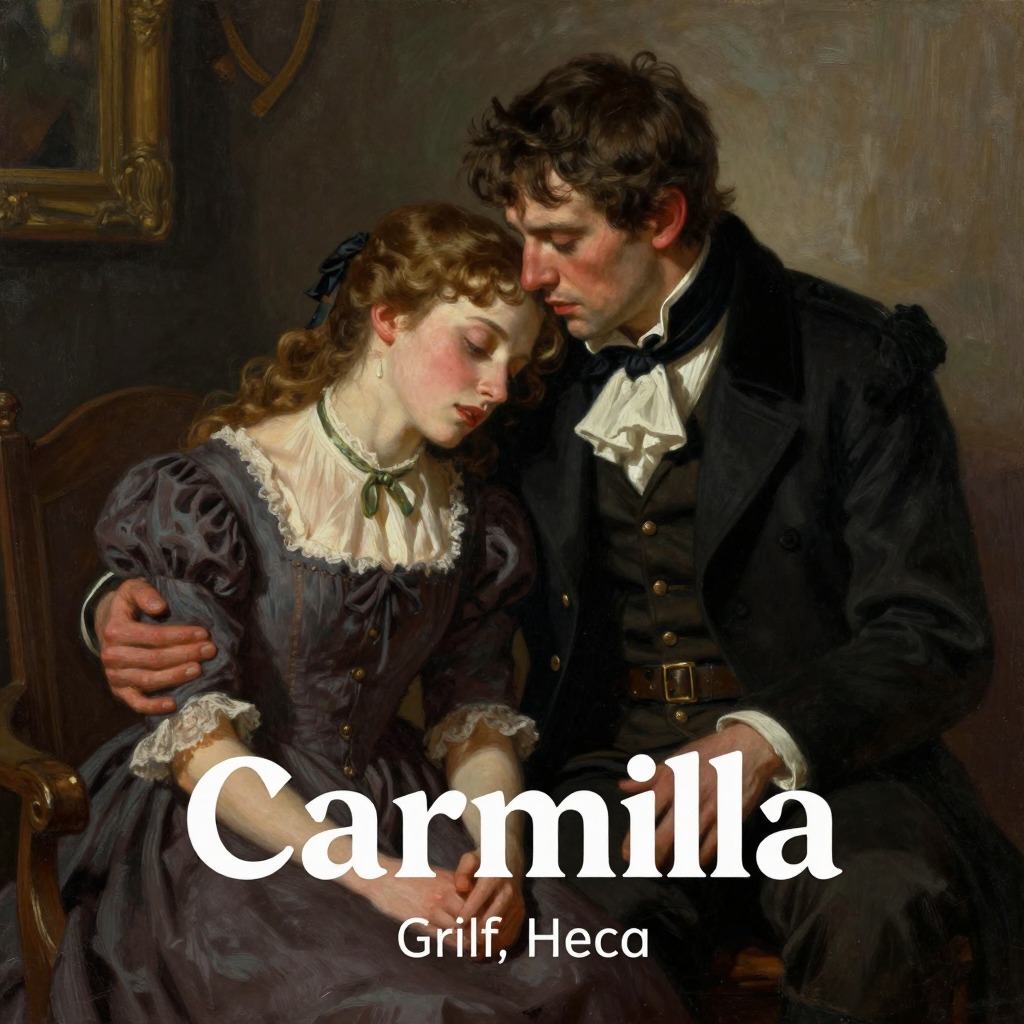
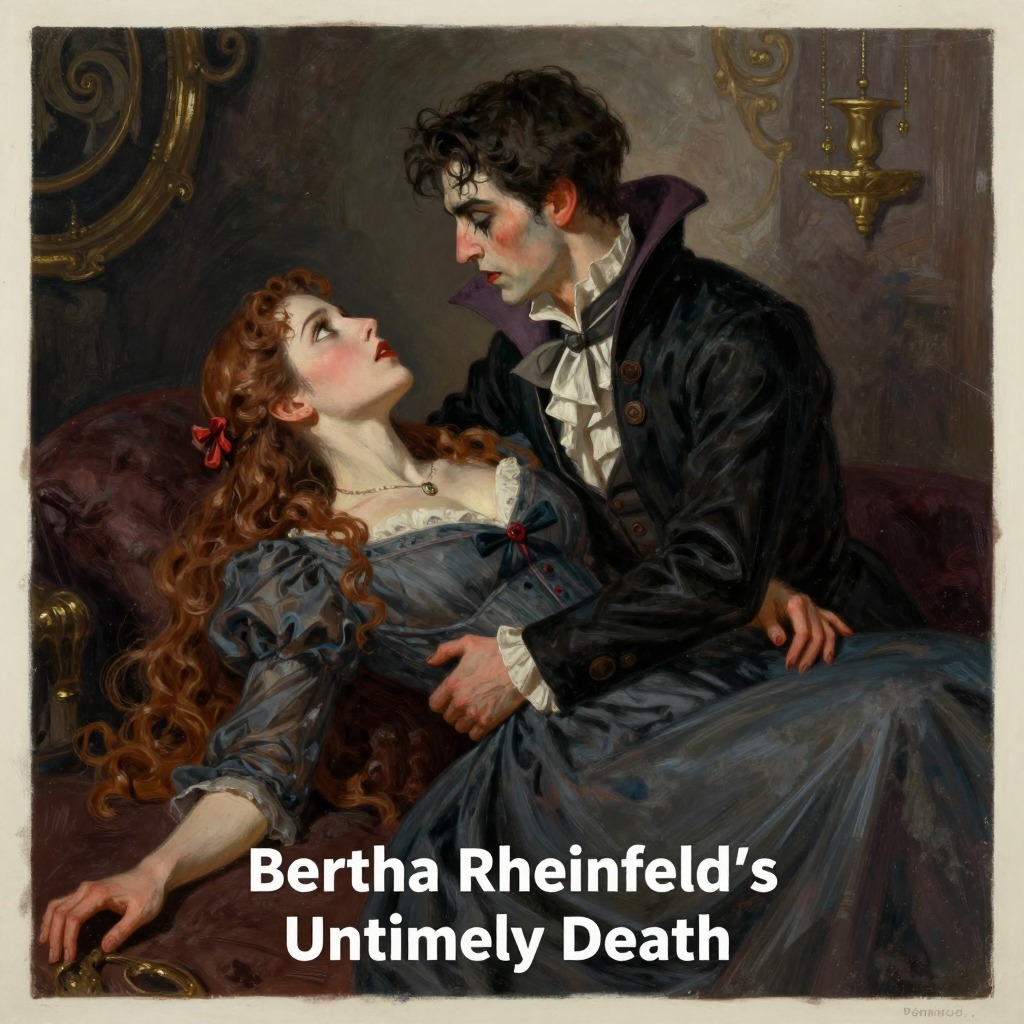
guardian-ward (General Spielsdorf and Bertha Rheinfeldt)
General Spielsdorf was the guardian and uncle of Bertha Rheinfeldt, a young woman he loved as his own daughter. He had arranged for her to visit Laura and her father at their schloss in Styria, anticipating a happy stay for her. But Bertha died before the visit could take place, and the General's letter announcing her death was so extraordinary, vehement, and self-contradictory that Laura and her father read it twice, suspecting grief had unsettled his mind. The letter spoke of a "fiend who betrayed our infatuated hospitality" and vowed that the General would devote his remaining days to tracking and extinguishing a monster.
The Bond Between Guardian and Ward
The General had no children of his own, and Bertha had become "an object of very near interest" to him, repaying his care with an affection that cheered his home and made his life happy. He called her his "darling daughter" and his "child." When Laura and her father met him again about ten months after Bertha's death, the change in his appearance was startling: he had grown thinner, and gloom and anxiety had replaced his former cordial serenity. His dark blue eyes, always penetrating, now gleamed with a sterner light, and angrier passions seemed to have had their share in the transformation. He spoke of his bereavement with intense bitterness and fury, inveighing against the "hellish arts" to which she had fallen victim.
The Masked Ball and the Fatal Encounter
The General recounted the story of Bertha's death in detail. They had attended a magnificent masquerade at Count Carlsfeld's schloss, where Bertha, looking beautiful and wearing no mask, was observed with extraordinary interest by a masked young lady. The young lady, who called herself Millarca and was accompanied by a stately chaperon, introduced herself to Bertha and quickly won her affection. The General, meanwhile, was engaged in conversation with the chaperon, who claimed to be an old acquaintance and who eventually petitioned him to take charge of her daughter during her absence on a mission of life and death. Bertha herself begged the General to invite Millarca to visit them, and he consented. Millarca came home with them after the ball.
The Onset of Bertha's Illness and the General's Vigil
Soon after Millarca's arrival, Bertha began to lose her looks and health in a mysterious and horrible manner. She was first visited by appalling dreams, then by a specter sometimes resembling Millarca, sometimes in the shape of a beast. She felt sensations like the flow of an icy stream against her breast, then a pair of large needles piercing her below the throat, followed by a convulsive sense of strangulation and unconsciousness. The General called in physicians, but they could do nothing. One doctor from Gratz, however, left a letter instructing the General to conceal himself in the dark dressing room adjoining Bertha's chamber and watch. The General did so, and at a little after one in the morning, he saw a large black object crawl over the foot of the bed and spread itself up to Bertha's throat. He sprang forward with his sword, and the black creature contracted and glided to the floor, where he saw Millarca standing. He struck at her with his sword, but she was gone, and his sword flew to shivers against the door. Bertha died before dawn.
The Transformation into a Hunter
The experience transformed the General. He became a man possessed by a single purpose: to track down and destroy the vampire who had murdered his ward. He learned that Millarca was the same entity who had long ago been called Mircalla, Countess Karnstein, and that she was now calling herself Carmilla. He traveled to Karnstein with Laura and her father, and there, in the ruined chapel, he confronted Carmilla directly. Seizing a woodman's hatchet, he struck at her, but she caught him by the wrist with a grip like a vice of steel, and she escaped. The General then led the discovery of the long-lost tomb of Mircalla, Countess Karnstein, and oversaw the formal legal proceedings: the grave was opened, the body was found with all the signs of vampirism, a sharp stake was driven through its heart, the head was struck off, and the remains were burned and thrown into the river. The General's grief and rage found their outlet in this act of "pious sacrilege," as he called it, and the territory was never again plagued by that vampire.