
Offred's Daily Life as a Handmaid
The Handmaid's TaleTraces Offred's routine existence under Gilead's regime, from her arrival at the Commander's house through the daily rituals of shopping, waiting, and the Ceremony.
increasing Bearing strength in each event
 decreasing
Bearing strength in each eventdecreasingArrival at the Commander's House

Arrival at the Commander's House
First Encounter with Serena Joy
Offred is brought to the Commander's house by a Guardian. Serena Joy meets her at the front door, blocking the entrance to assert dominance. She inspects Offred with cold hostility, making it clear that this is a business transaction. Offred feels the protective arm of the Guardian withdrawn as the door closes behind her.
The House and Its Rules
Offred is led through the polished hallway with its grandfather clock and fanlight of colored glass. She is shown to her room, which is sparse but clean, with a window that opens only partly and shatterproof glass. The room contains a chair, a table, a lamp, and a picture of blue irises. Offred learns that the house is a family home from the late Victorian era, now repurposed for the regime's needs.
The First Night
Offred lies in her bed, listening to the bells that measure time. She reflects on the gymnasium where she slept during training, the rows of army cots, and the Aunts patrolling with electric cattle prods. She remembers the whispered exchanges of names among the Handmaids: Alma, Janine, Dolores, Moira, June. The past feels both distant and immediate.
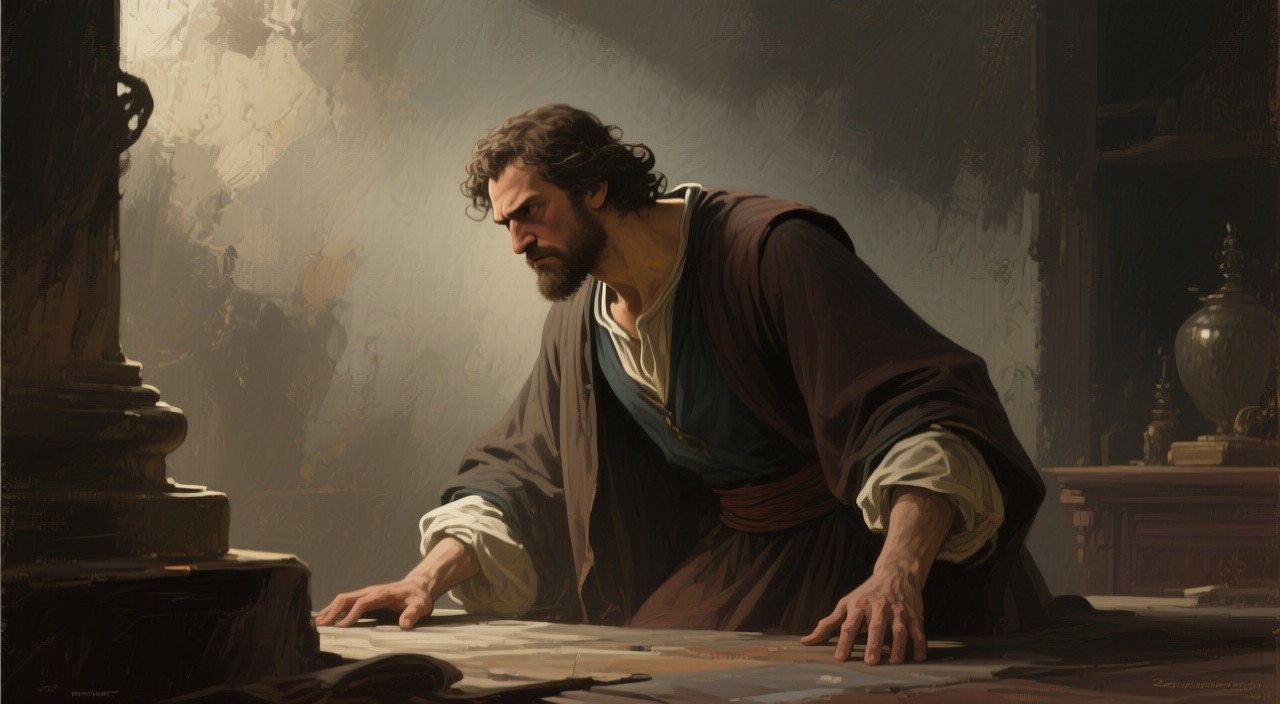
First Shopping Trip with Ofglen
First Shopping Trip with Ofglen
The Ritual of the Walk
Offred meets her shopping partner, Ofglen, at the corner. They exchange the prescribed greetings: "Blessed be the fruit" and "May the Lord open." They walk in pairs, heads down, red-gloved hands clasped. The walk is a form of surveillance; each Handmaid is a spy for the other.
The Checkpoint
They approach the first barrier, manned by young Guardians. Offred produces her pass, which is stamped and checked. One Guardian tries to glimpse her face; she raises her head slightly, and he blushes. This small defiance is a reward for Offred, a tiny peephole of freedom.
Shopping at Milk and Honey and All Flesh
They visit the stores: Milk and Honey for eggs and milk, All Flesh for meat. Offred sees oranges, a rare treat. She longs for one but has no coupons. The pregnant Handmaid Janine appears, glowing and triumphant. Offred feels envy and desire; the pregnant woman is a flag of hope.
The Ceremony

The Ceremony
The Household Assembles
Offred kneels in the sitting room as the household gathers: Serena Joy, the Marthas Rita and Cora, Nick, and finally the Commander. The room is decorated with authentic antiques and sentimental touches. Serena Joy smokes and watches the news, a rare privilege for Offred.
The Bible Reading
The Commander unlocks the Bible and reads the story of Rachel and Leah. Offred listens, knowing the words are used to justify her role. She prays silently: "Nolite te bastardes carborundorum," the message scratched on her cupboard wall.
The Sexual Act
Offred lies on the bed between Serena Joy's legs, fully clothed except for white cotton underdrawers. The Commander performs the act mechanically, with a two-four marching stroke. Serena Joy grips Offred's hands, her rings biting into the flesh. Offred detaches herself, thinking of the canopy above. The act is devoid of passion, a duty for all three.
Bath Day and Butter Ritual
Bath Day and Butter Ritual
The Bath
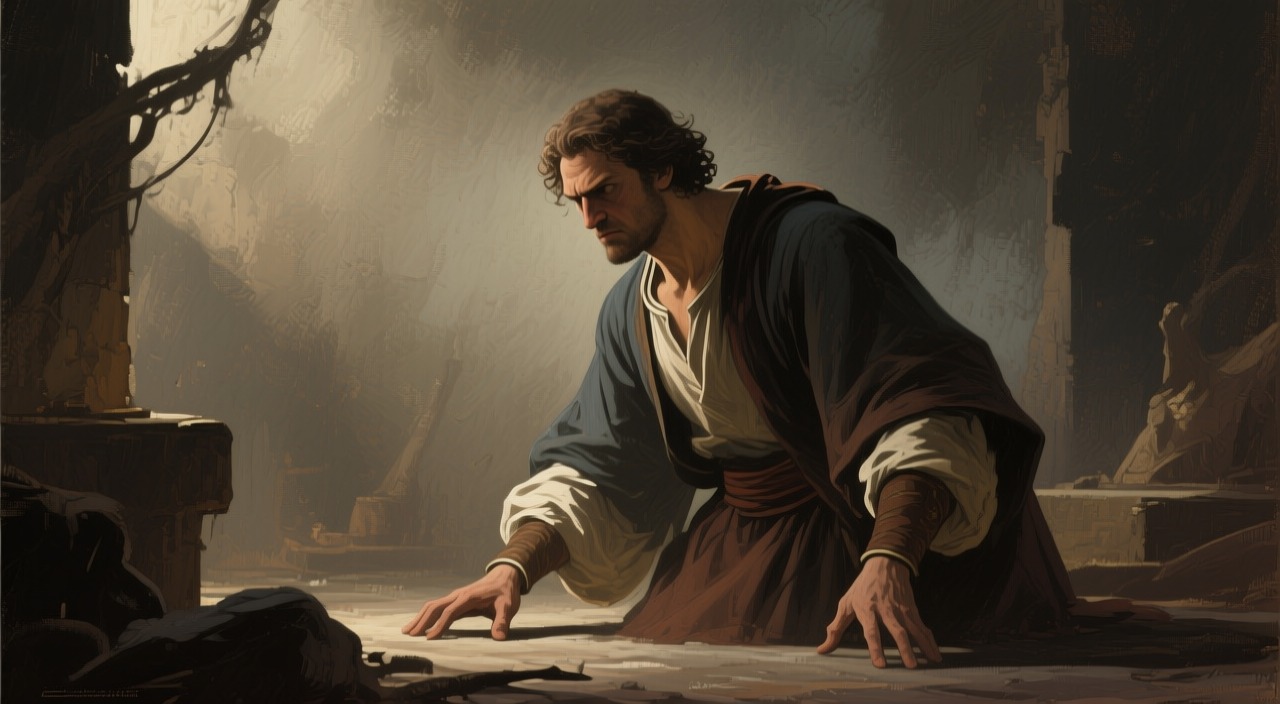
Cora runs a bath for Offred. The bathroom has no mirror, no lock, no razors. Offred luxuriates in the warm water, remembering her daughter. She thinks of the time a woman tried to steal her child from a supermarket cart. The memory fades, leaving her with a sense of loss.
The Butter Ritual
After the bath, Offred retrieves a pat of butter she saved from dinner. She rubs it into her face and hands, a secret ceremony to keep her skin soft. This is a trick learned at the Red Center, a way to believe she will be touched again in love or desire. The butter will go rancid, but it is organic, a small act of defiance.
Waiting for the Night
Offred lies on her bed, buttered like a piece of toast. She stares at the blind plaster eye on the ceiling. The searchlight illuminates the room. She thinks of Luke, of her daughter, of the message on the wall. She wants to steal something, to feel power.
The Wall and the Bodies

The Wall and the Bodies
The Churchyard
Ofglen leads Offred to the church, ostensibly to pray. They stand in the churchyard, looking at the old gravestones. Offred suspects Ofglen is mourning someone, but she cannot be sure. The church is a museum now, a relic of a more recent history that offends the regime.
The Hanged Men
They turn to face the Wall, where six bodies hang by the neck, their heads in white bags. The placards show drawings of human fetuses: these were doctors who performed abortions. Offred feels blankness, relief that none of them is Luke. The red smile of blood on one bag fixes her attention.
The Ritual of Looking
Offred and Ofglen stand and look, as they are supposed to. The bodies are meant to scare, to remind women of the consequences of disobedience. Offred feels a tremor in Ofglen, but she cannot afford to know if she is crying. She clenches her hands around her basket, refusing to give anything away.
Night and Memory

Night and Memory
The Night is Mine
Offred lies in bed, the night her own time. She steps sideways out of her own time, remembering Moira sitting on her bed, smoking, talking about date rape. She remembers her mother burning magazines at a protest, the flames consuming images of women. These memories are a refuge.
The Story She Tells
Offred reflects on the act of telling. She is telling a story in her head, to someone she calls "you." It is a story like a letter, without a name, to avoid risk. She pretends the listener can hear her, but knows they cannot. The story gives her control over the ending, even though it is not a story she is telling but a life she is living.
The Fear of Forgetting
Offred tries to hold onto the faces of Luke and her daughter, but they fade. She fears forgetting too much. She prays, not kneeling as at the Red Center, but sitting by the window. She asks God to keep the others safe, to let them die fast if they must. She feels alone, unreal, talking to a wall.
five weeks before the narrative present
early in the story, two weeks after arrival
monthly, first occurrence in the narrative present
after the first Ceremony in the narrative
during a shopping walk, early in the story
night after the first Ceremony
