
Storytelling and Memory as Resistance
The Handmaid's TaleThe act of telling her story is Offred's way of resisting erasure and asserting her existence.
increasing Bearing strength in each event
 decreasing
Bearing strength in each eventdecreasingThe Need to Tell

The Need to Tell
The Audience
Offred tells her story to an imagined "you." She believes in the listener. By telling, she wills them into being.
The Reconstruction
She admits that all of it is a reconstruction. Memory is fallible. But the act of telling gives shape to her experience.
The Power
Storytelling is a form of power. It allows her to control the narrative. It is a way of surviving.
The Forbidden Act
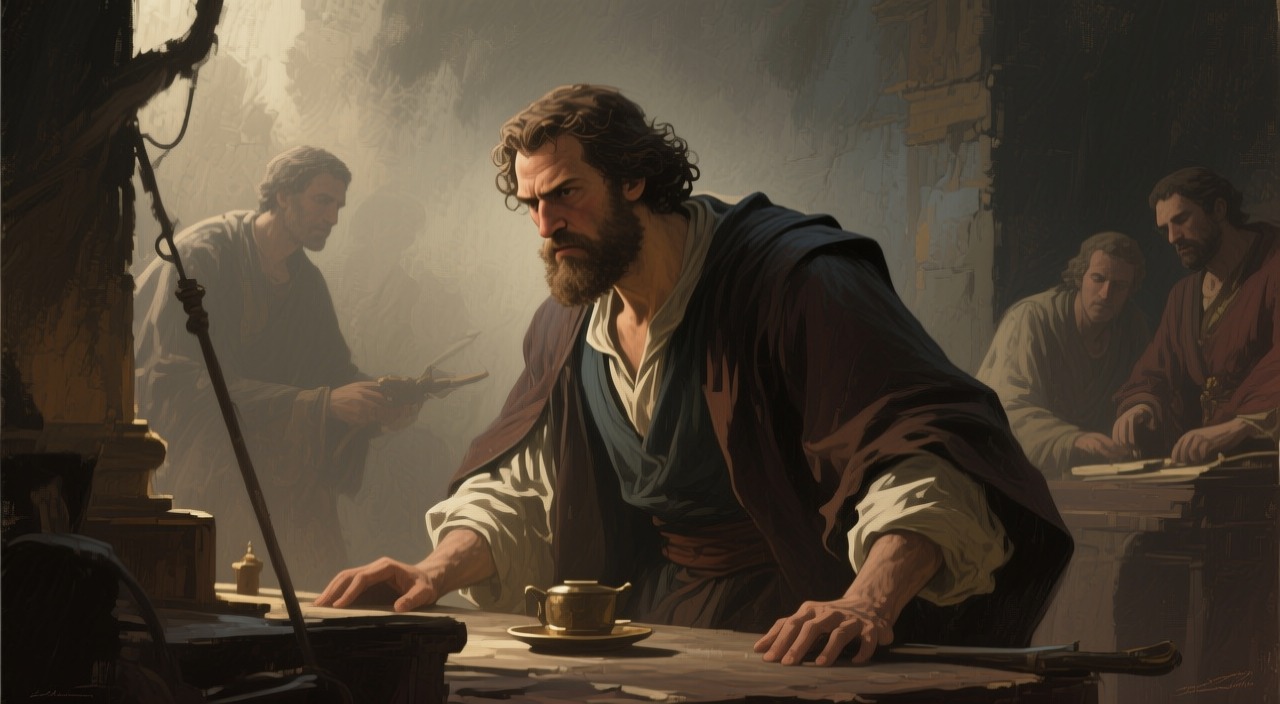
The Forbidden Act
The Tapes
Offred records her story on tapes, hidden in a footlocker. Writing is forbidden. She risks her life to leave a record.
The Legacy
The tapes are discovered after her death. They become a historical document. Her voice reaches the future.
The Meaning
Offred's story is a testament to the human spirit. It is a cry against oblivion. Memory is resistance.
throughout the narrative
during the narrative
